




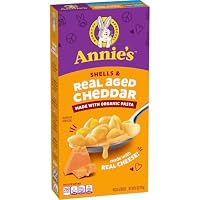
At a glance
Summary
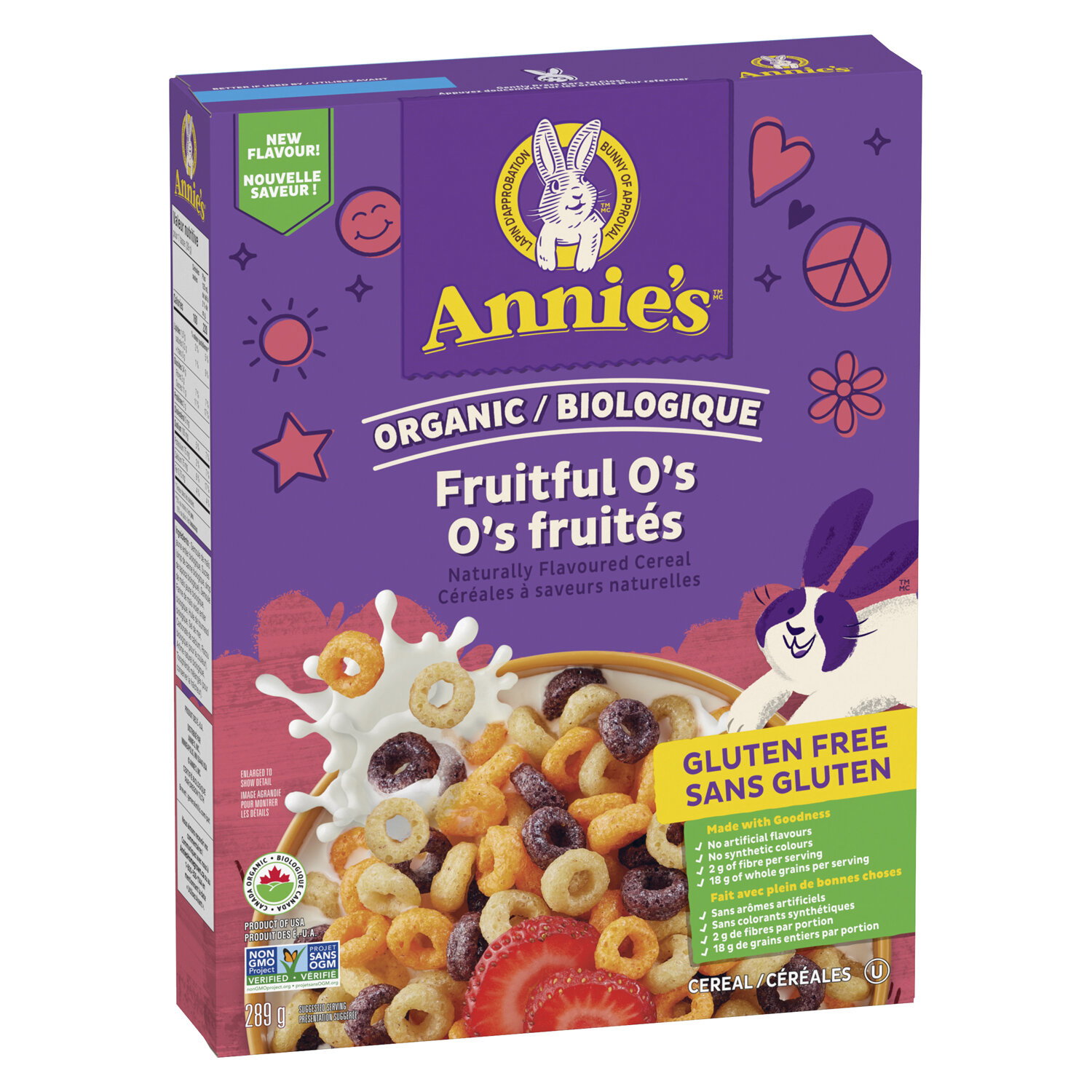
This product contains whole grain ingredients that provide fiber and essential nutrients, contributing positively to its nutritional profile. However, the presence of refined cane sugar and sunflower oil, a seed oil high in omega-6 fatty acids, raises health concerns due to their potential to promote inflammation and metabolic issues. Additionally, the use of 'natural flavor' lacks transparency, which can be problematic for consumers with sensitivities.
Key ingredients 12
Whole Grain Yellow Corn MealGood
Whole grain yellow corn meal is a source of dietary fiber and essential nutrients. It is minimally processed, retaining the bran and germ which provide vitamins and minerals. This ingredient supports digestive health and provides sustained energy.
Benefits
Rich in dietary fiber and essential nutrients, supporting digestive health and providing sustained energy.
Whole Grain Purple Corn FlourGood
Whole grain purple corn flour is rich in antioxidants and dietary fiber. It retains the bran and germ, providing essential nutrients and supporting heart health. The anthocyanins in purple corn may offer additional health benefits.
Benefits
Rich in antioxidants and dietary fiber, supporting heart health and providing essential nutrients.
Sea SaltGood
Sea salt is a minimally processed source of sodium and trace minerals. It is harvested from evaporated seawater and retains natural minerals that can support electrolyte balance. Unlike refined salt, it provides additional trace minerals.
Risks
Excessive sodium intake can lead to hypertension and cardiovascular issues.
Benefits
Provides essential sodium and trace minerals, supporting electrolyte balance.
Vitamin EGood
Vitamin E is an antioxidant that helps protect cells from oxidative damage. It supports immune function and skin health. As a fat-soluble vitamin, it is important for maintaining overall health.
Benefits
Supports immune function and skin health, protecting cells from oxidative damage.
Yellow Corn MealNeutral
Yellow corn meal is a processed form of corn that provides carbohydrates and some nutrients. It is less nutritious than whole grain versions due to the removal of the bran and germ. It serves as a basic carbohydrate source in the diet.
Benefits
Provides carbohydrates for energy but lacks the fiber and nutrients found in whole grain versions.
Calcium CarbonateNeutral
Calcium carbonate is used as a calcium supplement and food additive. It helps fortify foods with calcium, supporting bone health. However, it is not as easily absorbed as other forms of calcium.
Risks
Excessive intake can lead to hypercalcemia and kidney stones.
Benefits
Supports bone health by providing calcium, though absorption is less efficient than other forms.
Fruit and Vegetable Juice ColorNeutral
Fruit and vegetable juice color is a natural coloring derived from fruits and vegetables. It is used to enhance the visual appeal of foods without synthetic dyes. While it is a better alternative to artificial colors, it provides no nutritional benefits.
Benefits
Provides natural coloring without synthetic dyes, enhancing visual appeal.
Citric AcidNeutral
Citric acid is a natural preservative and flavor enhancer found in citrus fruits. It is commonly used to add acidity and preserve freshness in foods. While generally safe, excessive consumption can cause digestive discomfort.
Risks
Excessive consumption can cause digestive discomfort.
Benefits
Acts as a natural preservative and flavor enhancer, adding acidity and preserving freshness.
Cane SugarBad
Cane sugar is a refined sugar that can contribute to increased blood sugar levels and potential weight gain. It lacks nutritional benefits and is often associated with increased risk of metabolic disorders. Excessive consumption can lead to dental issues and other health concerns.
Risks
High intake can lead to obesity, diabetes, and dental cavities.
Tapioca SyrupBad
Processed additive flagged under Scout's ingredient doctrine.
Risks
Excessive consumption can contribute to increased sugar intake and related health issues.
Benefits
Provides carbohydrates but lacks significant nutritional benefits.
Natural FlavorBad
Natural flavor is a broad term that can include various chemical compounds to enhance taste. It lacks transparency and can contain additives that are not disclosed. The lack of clarity around its composition raises concerns about potential allergens and sensitivities.
Risks
Potential allergens and sensitivities due to undisclosed additives.
Sunflower OilVery Bad
Sunflower oil is a seed oil high in omega-6 fatty acids, which can promote inflammation when consumed in excess. It is often extracted using high heat and chemicals, which can degrade its nutritional quality. Regular consumption of seed oils is linked to various health concerns.
Risks
High omega-6 content may promote inflammation and is linked to various health concerns.
Processing
Processed Foods
Get the full breakdown in the Scout appTake Scout shopping
Scan any product to see lab results, healthy alternatives, and your personalized analysis.
Download on theApp Store GET IT ONGoogle Play