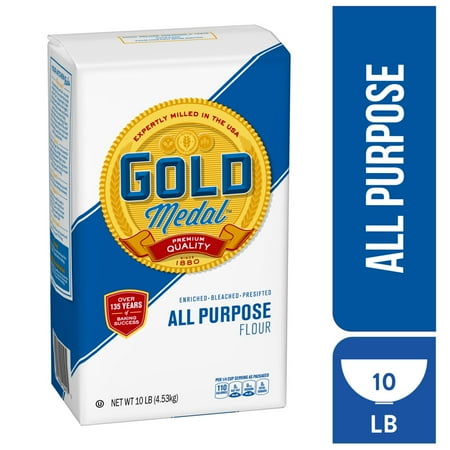
Gold Medal All-Purpose Flour
At a glance
Summary
This flour is enriched with essential vitamins and minerals such as niacin, iron, thiamine, riboflavin, and folic acid, which enhance its nutritional profile. Despite being a refined product, it is minimally processed and does not contain any harmful additives or seed oils. The enrichment with beneficial nutrients helps offset the lack of fiber typically found in refined flours, making it a reasonable choice for baking and cooking needs.
Key ingredients 7
NiacinGood
Niacin, also known as vitamin B3, is essential for converting food into energy and maintaining healthy skin and nerves. It is often added to flour to enrich its nutritional profile. Niacin is water-soluble and generally safe at recommended levels.
Benefits
Supports energy metabolism and is important for maintaining healthy skin and nerve function.
IronGood
Iron is a crucial mineral for the production of hemoglobin, which carries oxygen in the blood. It is added to flour to prevent iron-deficiency anemia. Iron fortification helps meet daily nutritional requirements, especially in populations at risk of deficiency.
Risks
Excessive iron intake can lead to toxicity, but this is rare from fortified foods alone.
Benefits
Essential for oxygen transport in the blood and helps prevent iron-deficiency anemia.
Thiamine MononitrateGood
Thiamine mononitrate is a synthetic form of vitamin B1, important for energy metabolism and nerve function. It is commonly added to flour to enhance its nutritional value. Thiamine is water-soluble and necessary for carbohydrate metabolism.
Benefits
Supports energy metabolism and is crucial for proper nerve function.
RiboflavinGood
Riboflavin, or vitamin B2, is essential for energy production and cellular function. It is added to flour to improve its nutritional content. Riboflavin is water-soluble and plays a key role in maintaining healthy skin and eyes.
Benefits
Important for energy production and maintaining healthy skin and eyes.
Bleached Wheat FlourNeutral
Bleached wheat flour is a refined flour that has been chemically treated to improve baking properties. The bleaching process can reduce some nutrient content, but it is generally considered safe for consumption. It provides a good source of carbohydrates for energy.
Risks
The bleaching process may reduce some of the natural nutrients found in whole wheat flour.
Benefits
Provides a good source of carbohydrates, which are essential for energy production in the body.
EnzymesNeutral
Enzymes are added to flour to improve its baking properties and shelf life. They help in breaking down starches and proteins during baking. Enzymes are generally recognized as safe and are used in small quantities.
Benefits
Enhances baking properties and improves the texture and shelf life of baked goods.
Folic AcidNeutral
Standard formulation ingredient — neither beneficial nor harmful at typical use.
Benefits
Essential for DNA synthesis and cell division, and helps prevent neural tube defects in developing fetuses.
Processing
Unprocessed or Minimally Processed Foods
Get the full breakdown in the Scout appTake Scout shopping
Scan any product to see lab results, healthy alternatives, and your personalized analysis.
Are you Gold Medal? Fix an error Get the badge Get tested
Amazon pricing & content
Amazon price as of . Product prices and availability are accurate as of the date/time indicated and are subject to change. Any price and availability information displayed on Amazon.com at the time of purchase will apply to the purchase of this product.
CERTAIN CONTENT THAT APPEARS ON THIS SITE COMES FROM AMAZON. THIS CONTENT IS PROVIDED “AS IS” AND IS SUBJECT TO CHANGE OR REMOVAL AT ANY TIME.