
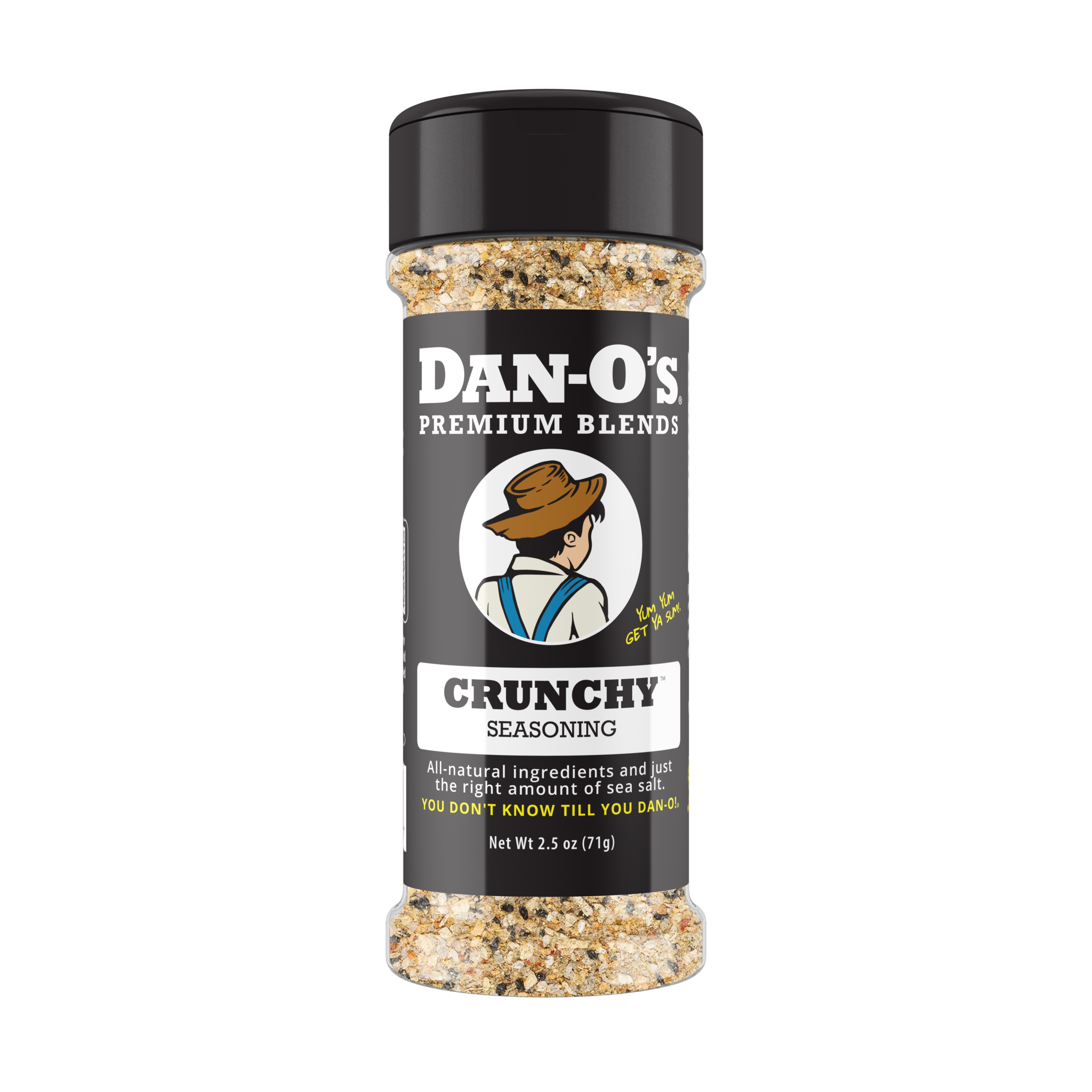
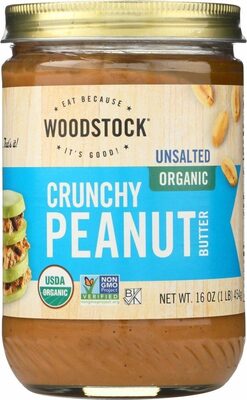


Crunchy
Summary
This product contains beneficial ingredients like maize and peanuts, which provide fiber, protein, and healthy fats. However, the presence of refined sugar, a high-calorie ingredient with no essential nutrients, contributes to potential health risks such as obesity and type 2 diabetes. The product is processed, which limits its score, despite the inclusion of some vitamins and minerals.
At a glance
Key ingredients 14
MaizeGood
Maize is a whole grain that provides dietary fiber and essential nutrients. It is minimally processed and can support digestive health. As a staple food, it offers a good source of carbohydrates for energy.
Benefits
Rich in dietary fiber which aids in digestion and helps maintain a healthy gut. Provides essential nutrients like B vitamins and minerals.
SugarBad
Refined sugar is a high-calorie ingredient with no essential nutrients. It is associated with increased risk of obesity, type 2 diabetes, and heart disease. Excessive consumption can lead to metabolic issues and dental problems.
Risks
High intake of refined sugar can lead to weight gain, increased risk of chronic diseases, and dental cavities.
PeanutsGood
Peanuts are a good source of plant-based protein and healthy fats. They contain essential nutrients such as magnesium, vitamin E, and niacin. Peanuts can support heart health and provide satiety.
Risks
Potential allergen for some individuals, which can cause severe allergic reactions.
Benefits
Rich in monounsaturated fats and protein, supporting heart health and muscle maintenance. Contains antioxidants that may reduce inflammation.
Barley Malt ExtractNeutral
Barley malt extract is used as a natural sweetener and flavor enhancer. It is derived from sprouted barley grains and contains some vitamins and minerals. However, it is primarily a source of sugar and should be consumed in moderation.
Risks
Contains sugars that can contribute to calorie intake and potential weight gain if consumed in excess.
Benefits
Provides a natural source of sweetness and flavor, with some vitamins and minerals from barley.
MolassesNeutral
Molasses is a byproduct of sugar refining and contains some vitamins and minerals. It is less processed than refined sugar and provides a richer flavor. However, it is still a sugar source and should be consumed in moderation.
Risks
High sugar content can contribute to increased calorie intake and potential weight gain.
Benefits
Contains small amounts of minerals like iron and calcium, offering some nutritional value compared to refined sugar.
HoneyGood
Honey is a natural sweetener with antioxidant and antimicrobial properties. It contains trace amounts of vitamins and minerals. Honey can be a healthier alternative to refined sugar when used in moderation.
Risks
High in sugars, which can contribute to weight gain and blood sugar spikes if consumed in excess.
Benefits
Provides antioxidants and has antimicrobial properties, potentially supporting immune health.
SaltNeutral
Salt is used to enhance flavor and preserve food. It is essential for maintaining fluid balance and nerve function. However, excessive intake can lead to high blood pressure and cardiovascular issues.
Risks
Excessive consumption can lead to hypertension and increased risk of cardiovascular diseases.
Benefits
Essential for maintaining electrolyte balance and proper nerve function.
NiacinGood
Niacin, or vitamin B3, is essential for energy metabolism and DNA repair. It supports skin health and nervous system function. Niacin is often added to foods to prevent deficiencies.
Benefits
Supports energy metabolism and helps maintain healthy skin and nerves.
IronGood
Iron is a crucial mineral for oxygen transport and energy production. It is often added to foods to prevent anemia and support overall health. Adequate iron intake is essential for maintaining energy levels and cognitive function.
Risks
Excessive iron intake can lead to toxicity and organ damage, but this is rare from food sources.
Benefits
Essential for oxygen transport in the blood and supports energy production and cognitive function.
Vitamin B6Good
Vitamin B6 is important for protein metabolism and cognitive development. It supports immune function and the production of neurotransmitters. Adequate intake is crucial for overall health and well-being.
Benefits
Supports protein metabolism, cognitive development, and immune function.
RiboflavinGood
Riboflavin, or vitamin B2, is essential for energy production and cellular function. It helps convert food into energy and supports skin and eye health. Riboflavin is often added to foods to ensure adequate intake.
Benefits
Supports energy production and helps maintain healthy skin and eyes.
ThiaminGood
Thiamin, or vitamin B1, is crucial for energy metabolism and nerve function. It helps convert carbohydrates into energy and supports heart health. Thiamin is often fortified in foods to prevent deficiencies.
Benefits
Supports energy metabolism and helps maintain healthy nerve and heart function.
Folic AcidGood
Folic acid is a form of vitamin B9 important for DNA synthesis and cell division. It is crucial during pregnancy for fetal development and preventing neural tube defects. Folic acid is often added to foods to ensure adequate intake.
Benefits
Supports DNA synthesis and cell division, crucial for fetal development during pregnancy.
Vitamin DGood
Vitamin D is essential for calcium absorption and bone health. It supports immune function and may reduce the risk of chronic diseases. Vitamin D is often added to foods to prevent deficiencies, especially in regions with limited sunlight.
Benefits
Supports bone health and immune function, and may reduce the risk of chronic diseases.
Processing
Processed Foods
Get the full breakdown in the Scout app
Scan any product to see lab results, healthy alternatives, and your personalized analysis.
Download on theApp Store