
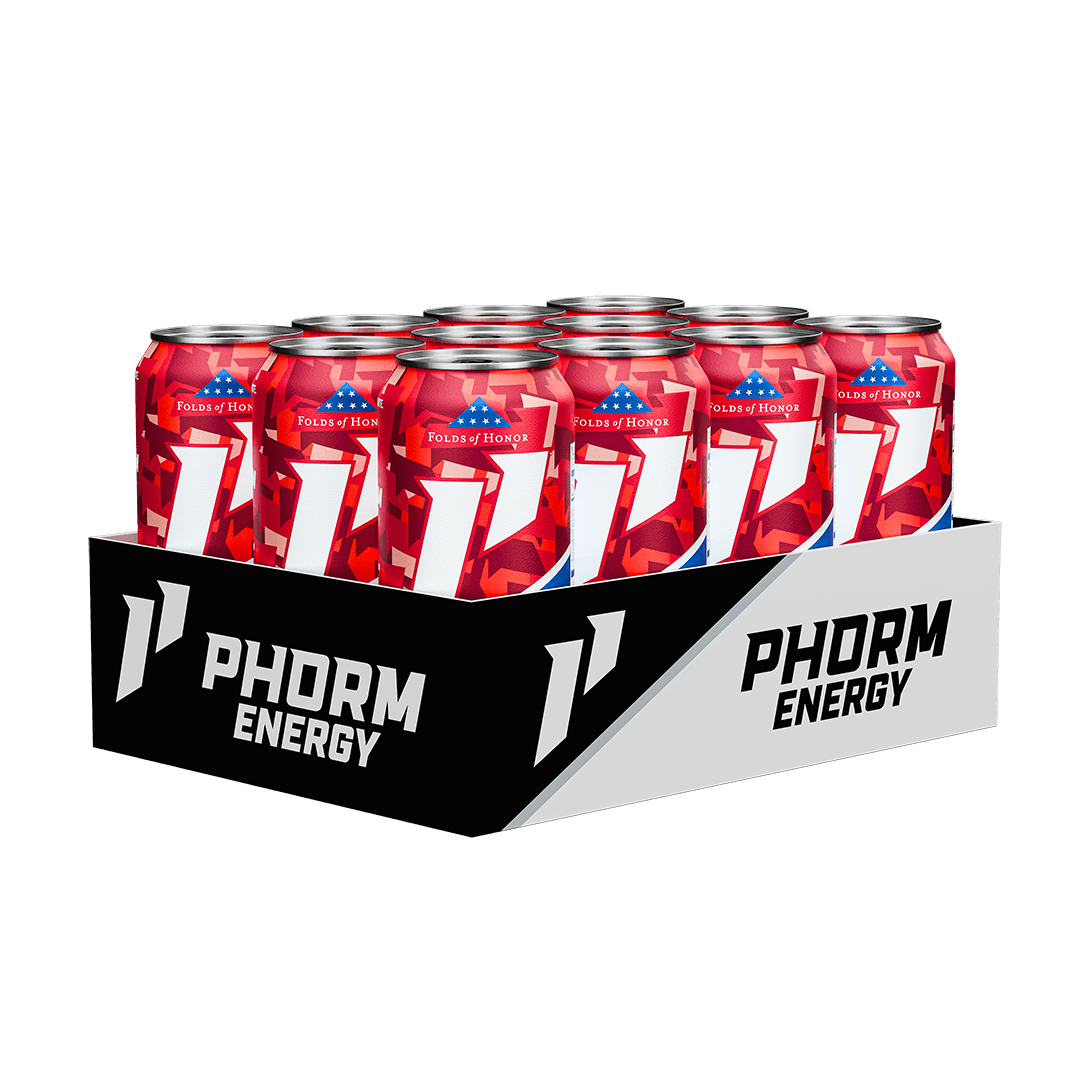


Phorm energy drink
Summary
This energy drink contains beneficial ingredients like L-Tyrosine, Choline, and caffeine from green tea, which support cognitive function and provide natural energy. However, it is heavily processed and includes artificial sweeteners like sucralose, which raises concerns about potential negative health effects. The presence of preservatives and the overall high level of processing limit its healthfulness despite the inclusion of some beneficial nutrients.
At a glance
Key ingredients 16
WaterNeutral
Water is a neutral ingredient that serves as the base for the beverage. It is essential for hydration but does not contribute additional nutritional value. It is a necessary component in most beverages.
See more about Water →L-TyrosineGood
L-Tyrosine is an amino acid that supports cognitive function and stress response. It is often included in energy drinks for its potential to enhance mental performance. It is generally well-tolerated and beneficial in moderate amounts.
Risks
Excessive intake may lead to gastrointestinal discomfort or headaches.
Benefits
Supports neurotransmitter production, potentially improving focus and alertness.
CholineGood
Choline is a nutrient that supports brain health and liver function. It is important for the synthesis of acetylcholine, a neurotransmitter involved in memory and muscle control. Adequate choline intake is essential for overall health.
Risks
High doses may cause fishy body odor, sweating, or gastrointestinal distress.
Benefits
Essential for brain development and liver function, contributing to cognitive health.
AcidNeutral
Acid is used to adjust the pH and enhance flavor in beverages. It is a common ingredient in many drinks but does not provide nutritional benefits. Its presence is primarily for taste and preservation.
Risks
Excessive consumption may lead to dental erosion.
Citric AcidNeutral
Citric acid is a natural preservative and flavor enhancer commonly used in beverages. It helps maintain freshness and adds a tangy taste. It is generally recognized as safe when consumed in moderation.
Risks
May contribute to dental erosion if consumed in large amounts.
CaffeineGood
Caffeine from green tea provides a natural source of energy and alertness. It is known for its stimulating effects on the central nervous system. Green tea caffeine is often considered a cleaner source compared to synthetic caffeine.
Risks
Excessive caffeine intake can lead to jitteriness, insomnia, or increased heart rate.
Benefits
Enhances alertness and may improve physical performance.
SucraloseBad
Sucralose is an artificial sweetener used to provide sweetness without calories. It is often criticized for potential negative effects on gut health. While it is calorie-free, its long-term health impacts are still debated.
Risks
May alter gut microbiota and potentially affect insulin sensitivity.
Benefits
Provides sweetness without adding calories.
PotassiumNeutral
Potassium is used as a preservative and electrolyte in beverages. It helps maintain fluid balance and supports nerve function. Its presence in small amounts is generally beneficial but not significant in this context.
Benefits
Supports electrolyte balance and nerve function.
SodiumNeutral
Sodium acts as a preservative and electrolyte in beverages. It is essential for maintaining fluid balance and nerve function. In moderate amounts, it is necessary for health, but excessive intake can be harmful.
Risks
High sodium intake can lead to hypertension and cardiovascular issues.
Benefits
Essential for fluid balance and nerve function.
Ascorbic AcidGood
Ascorbic acid, also known as Vitamin C, is an antioxidant that supports immune function and skin health. It is commonly added to beverages for its preservative properties and health benefits. It is essential for collagen synthesis and overall health.
Risks
High doses may cause gastrointestinal discomfort or kidney stones.
Benefits
Boosts immune function and acts as an antioxidant.
SaltNeutral
Salt is used to enhance flavor and act as a preservative in beverages. It is necessary for maintaining electrolyte balance but should be consumed in moderation. Excessive salt intake can lead to health issues.
Risks
Excessive consumption can contribute to hypertension and cardiovascular disease.
Benefits
Essential for maintaining electrolyte balance.
Coffee Fruit ExtractGood
Coffee fruit extract is rich in antioxidants and may support brain health. It is included in energy drinks for its potential cognitive benefits. It is a natural source of polyphenols and other beneficial compounds.
Benefits
Provides antioxidants and may support cognitive function.
SulfateNeutral
Sulfate is often used in beverages for its preservative properties. It helps maintain product stability and shelf life. Its presence is generally considered safe in small amounts.
See more about Sulfate →NiacinamideGood
Niacinamide, a form of Vitamin B3, supports energy metabolism and skin health. It is included in energy drinks for its role in converting food into energy. It is essential for maintaining healthy skin and nervous system function.
Risks
High doses may cause flushing or liver damage.
Benefits
Supports energy production and skin health.
HydrochlorideNeutral
Hydrochloride is often used as a stabilizer or to enhance the solubility of vitamins. It does not provide direct nutritional benefits but aids in the formulation of supplements. Its presence is generally considered safe.
CyanocobalaminGood
Cyanocobalamin is a synthetic form of Vitamin B12, essential for nerve function and red blood cell production. It is included in energy drinks to support energy metabolism. Adequate B12 intake is crucial for preventing anemia and maintaining neurological health.
Benefits
Supports nerve health and energy metabolism.
Processing
Ultra-Processed Foods
Get the full breakdown in the Scout app
Scan any product to see lab results, healthy alternatives, and your personalized analysis.
Download on theApp Store