



At a glance
Summary
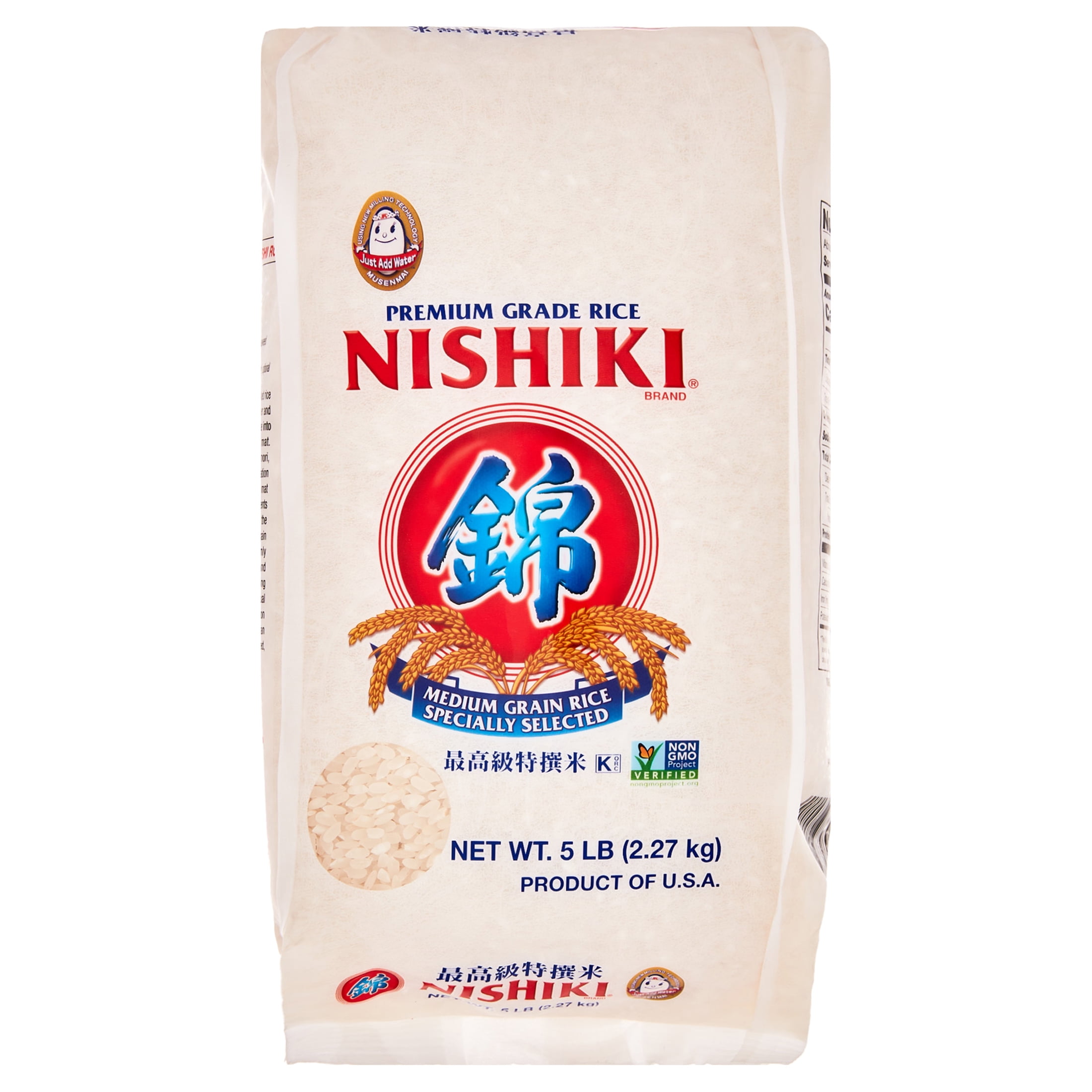
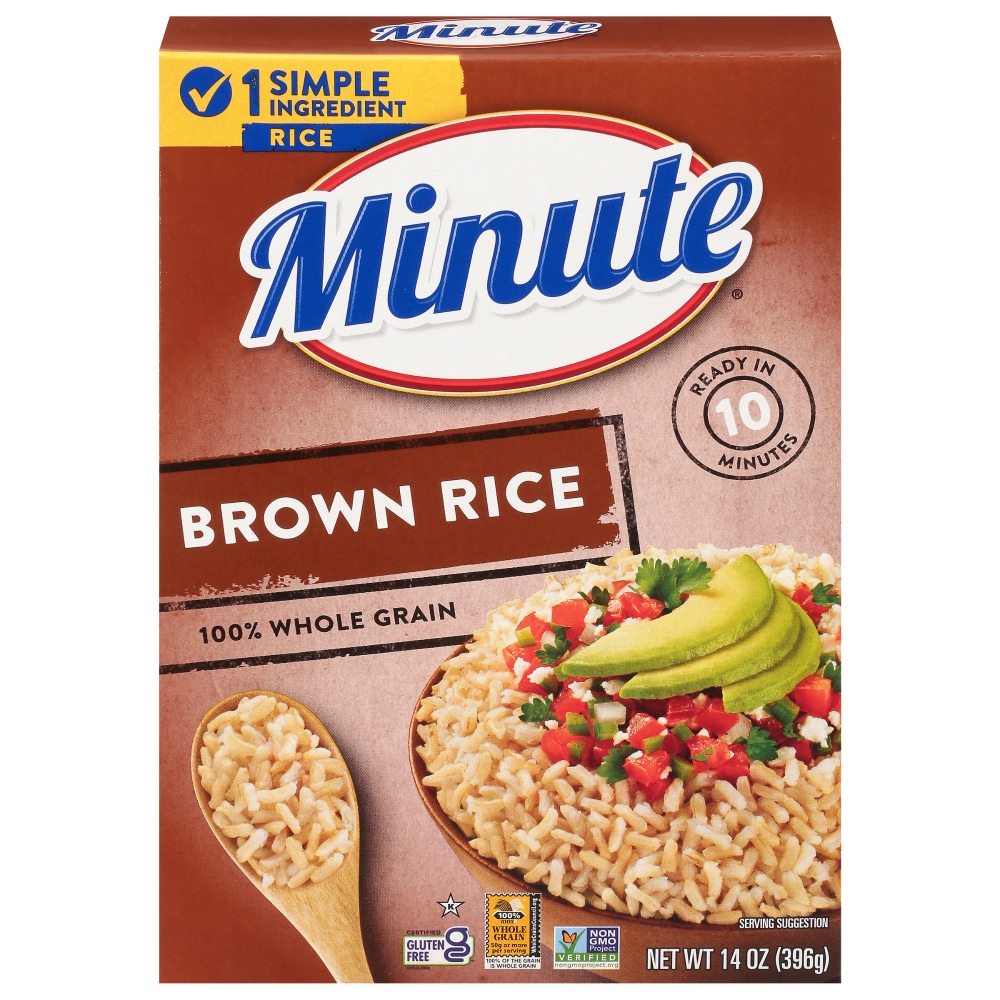
This product is a minimally processed staple food, primarily composed of long grain rice, which provides a good source of carbohydrates and energy. The addition of ferric phosphate, niacin, thiamin mononitrate, and folic acid enhances its nutritional value by fortifying it with essential vitamins and minerals. The clean ingredient list and minimal processing contribute to its high rating.
Key ingredients 5
Long grain riceGood
Long grain rice is a staple carbohydrate source that provides energy. It is minimally processed, retaining its natural nutrients. Compared to refined grains, it offers a better nutritional profile.
Benefits
Provides a good source of carbohydrates for energy and contains some essential vitamins and minerals.
Ferric phosphateGood
Ferric phosphate is an iron supplement used to fortify foods and prevent iron deficiency. It is a stable form of iron that is well-absorbed by the body. Fortification helps improve the nutritional value of rice.
Risks
Excessive iron intake can lead to toxicity, but this is rare with normal consumption.
Benefits
Helps prevent iron deficiency anemia and supports healthy red blood cell production.
NiacinGood
Niacin, also known as vitamin B3, is essential for energy metabolism and maintaining healthy skin and nerves. It is added to enriched foods to ensure adequate intake. Niacin fortification helps prevent deficiencies in populations with limited dietary diversity.
Risks
High doses of niacin can cause flushing and liver damage, but these are unlikely at levels found in fortified foods.
Benefits
Supports energy production and overall metabolic health, and helps prevent pellagra, a disease caused by niacin deficiency.
Thiamin mononitrateNeutral
Thiamin mononitrate is a synthetic form of vitamin B1 used to fortify foods. It is essential for carbohydrate metabolism and nerve function. Fortification ensures adequate intake in diets lacking in whole grains.
Benefits
Supports energy metabolism and nerve function, helping to prevent thiamin deficiency.
Folic acidNeutral
Folic acid is a synthetic form of vitamin B9 used in food fortification to prevent neural tube defects. It is crucial for DNA synthesis and cell division. Fortification is particularly important for pregnant women to prevent birth defects.
Risks
Excessive intake of folic acid can mask vitamin B12 deficiency, but this is unlikely with normal consumption.
Benefits
Essential for DNA synthesis and cell division, and helps prevent neural tube defects during pregnancy.
Processing
Unprocessed or Minimally Processed Foods
Get the full breakdown in the Scout appTake Scout shopping
Scan any product to see lab results, healthy alternatives, and your personalized analysis.
Download on theApp Store GET IT ONGoogle Play