
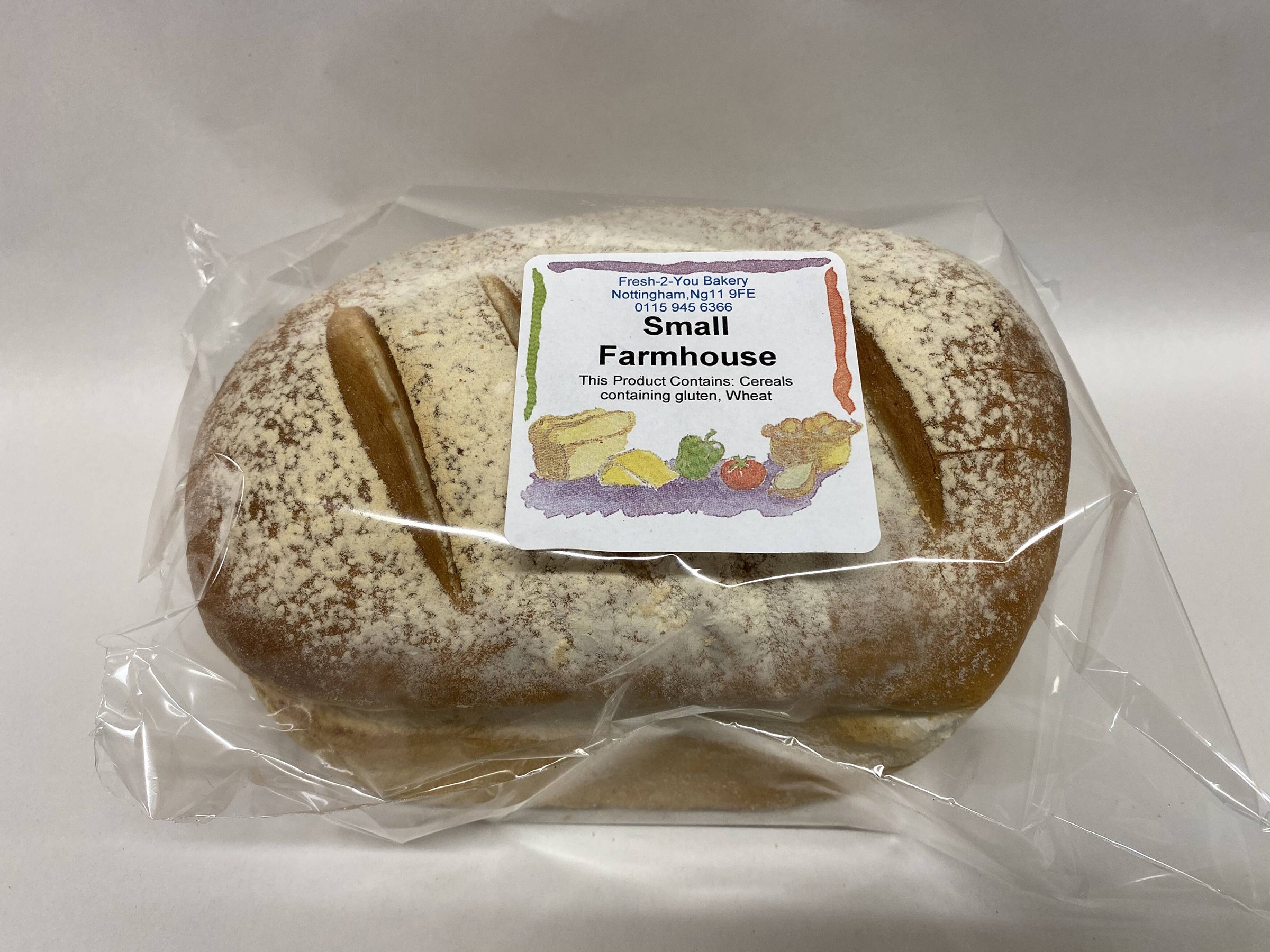
Nottingham Bread
At a glance
Summary
Nottingham Bread contains a mix of beneficial ingredients such as flax seed, coarse rye meal, and millet, which contribute to its nutritional value with fiber, omega-3 fatty acids, and essential nutrients. However, as a processed food, it is subject to a score cap due to its processing level. The absence of harmful additives and the inclusion of whole grains and seeds are positive aspects, but the processing level limits its maximum potential score.
Key ingredients 7
Flax seedVery Good
Flax seed is a nutrient-dense ingredient rich in omega-3 fatty acids, fiber, and lignans. It supports heart health and has anti-inflammatory properties. Ground flax seed is better absorbed and utilized by the body compared to whole seeds.
Risks
Excessive consumption may lead to digestive issues due to high fiber content.
Benefits
Rich in omega-3 fatty acids and fiber, promoting heart health and aiding in digestion.
Coarse rye mealGood
Coarse rye meal is a whole grain ingredient that adds fiber and nutrients to bread. It has a lower glycemic index than wheat flour, which can help maintain stable blood sugar levels. Rye is also rich in antioxidants and beneficial phytochemicals.
Risks
May cause digestive discomfort in individuals sensitive to high-fiber foods.
Benefits
Provides dietary fiber, vitamins, and minerals, supporting digestive health and reducing the risk of chronic diseases.
MilletGood
Millet is a gluten-free grain that provides essential nutrients like magnesium, phosphorus, and B vitamins. It is a good source of protein and fiber, contributing to satiety and digestive health. Millet is also known for its antioxidant properties.
Benefits
Offers a gluten-free source of protein and fiber, supporting overall health and well-being.
Light rye flourGood
Light rye flour is a refined form of rye that retains some of the grain's nutrients and fiber. It provides a distinct flavor and texture to bread, with a lower glycemic index than wheat flour. Rye flour can enhance the nutritional profile of bread compared to refined wheat flour.
Risks
May cause allergic reactions in individuals with gluten sensitivity.
Benefits
Adds flavor and nutrients to bread, with a lower glycemic impact than traditional wheat flour.
WaterNeutral
Water is a fundamental ingredient in bread, necessary for dough formation and yeast activation. It is a neutral ingredient with no direct nutritional impact. The quality of water can affect the final texture and taste of the bread.
Benefits
Essential for hydration and dough consistency in bread making.
YeastNeutral
Baker's/nutritional yeast in standard use — benign.
Benefits
Contributes to the leavening and flavor of bread, and provides B vitamins that support energy metabolism.
Wheat flourBad
Refined grain flour stripped of bran and germ.
Risks
May cause blood sugar spikes and is a common allergen for those with gluten sensitivity or celiac disease.
Benefits
Provides essential carbohydrates for energy and is a key component in traditional bread making.
Processing
Processed Foods
Get the full breakdown in the Scout appTake Scout shopping
Scan any product to see lab results, healthy alternatives, and your personalized analysis.
Are you Save-On-Foods? Fix an error Get the badge Get tested


