


At a glance
Summary
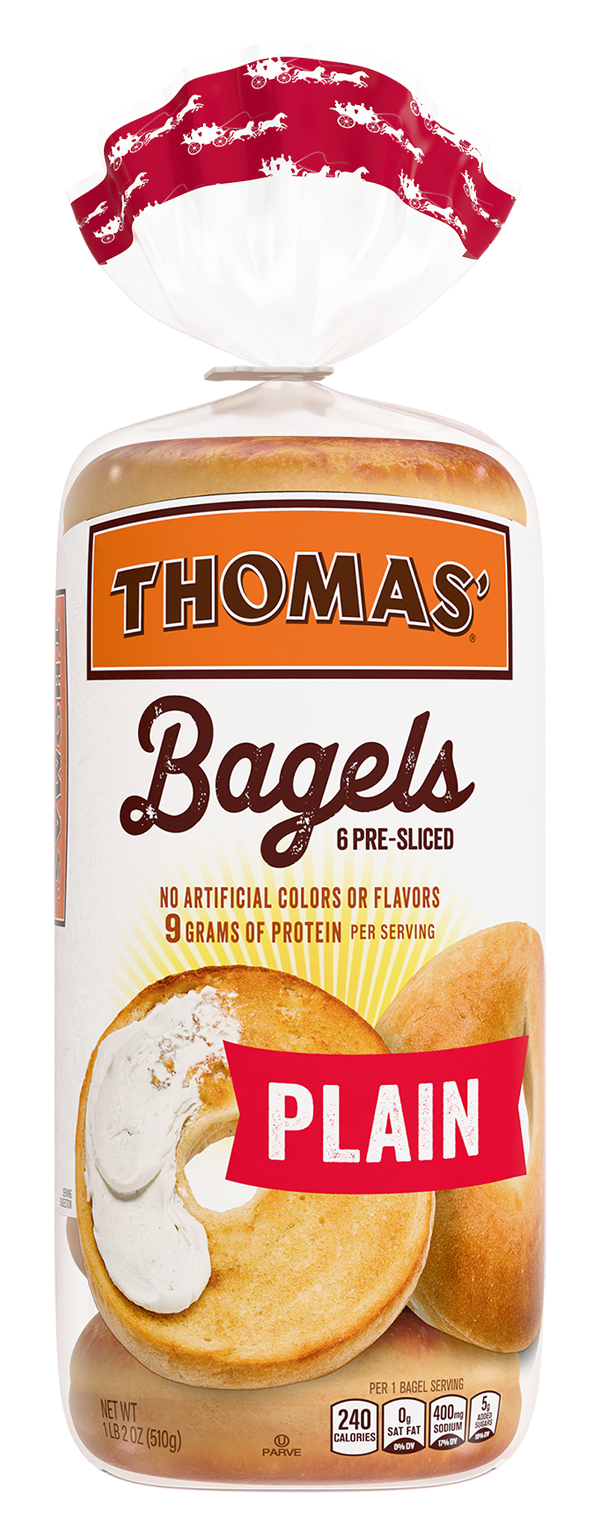
This bagel contains beneficial ingredients like whole wheat flour and cinnamon, which provide fiber and antioxidants. However, it is a processed food with additives such as caramel color, which is used for aesthetic purposes and may contain contaminants. The presence of multiple ingredients and the processing level limit its healthiness compared to less processed options.
Key ingredients 20
Whole Wheat FlourGood
Whole wheat flour retains the bran and germ, providing more fiber and nutrients than refined flours. It supports digestive health and provides a more sustained energy release. The presence of whole grains is associated with reduced risk of chronic diseases.
Benefits
Rich in fiber, vitamins, and minerals, supporting heart health and digestion.
Sea SaltGood
Unrefined sea salt — a minimally processed, natural source of sodium and essential trace minerals, and a legitimate whole-food seasoning. Treated as a positive ingredient.
Risks
Excessive sodium intake can lead to high blood pressure and cardiovascular issues.
Benefits
Contains trace minerals and enhances flavor.
Raisin Juice ConcentrateGood
Raisin juice concentrate is a natural sweetener derived from raisins, providing some antioxidants and nutrients. It is less processed than refined sugars and can add natural sweetness and flavor. The antioxidants present may offer some health benefits.
Risks
Contains natural sugars, which should be consumed in moderation.
Benefits
Provides natural sweetness and contains antioxidants.
Ascorbic AcidGood
Vitamin C — beneficial even when serving as a preservative.
Benefits
Improves dough quality and provides vitamin C.
CinnamonGood
Cinnamon is a spice known for its antioxidant properties and potential health benefits. It can help regulate blood sugar levels and has anti-inflammatory effects. Its use in small amounts can enhance flavor without significant health risks.
Benefits
Rich in antioxidants and may help regulate blood sugar.
Dehydrated OnionGood
Beneficial ingredient — whole-food or functional value in this product class.
Benefits
Adds flavor and contains some nutrients found in fresh onions.
Maple SyrupGood
Beneficial ingredient — whole-food or functional value in this product class.
Risks
High in sugars, which should be consumed in moderation.
Benefits
Contains antioxidants and minerals, offering more than refined sugars.
Unbleached Unbromated Enriched Wheat FlourNeutral
This flour is enriched with vitamins and minerals, which can help replenish nutrients lost during processing. The unbleached and unbromated aspects indicate fewer chemical treatments compared to standard flours. However, it is still a refined flour, lacking the fiber and nutrients found in whole grains.
Risks
Refined flours can contribute to blood sugar spikes and lack the fiber found in whole grains.
Benefits
Enrichment adds back some nutrients lost during processing, such as iron and B vitamins.
Malt SyrupNeutral
Malt syrup is a natural sweetener derived from barley, often used for its distinct flavor. It is less processed than some other sweeteners but still contributes to sugar intake. It contains some vitamins and minerals, though in small amounts.
Risks
High in sugars, which can contribute to health issues if consumed in excess.
Benefits
Offers a unique flavor profile and contains trace amounts of nutrients.
YeastNeutral
Yeast is a microorganism used in baking to leaven dough, contributing to the texture and flavor of baked goods. It is a natural ingredient with no significant health concerns. Yeast fermentation can also enhance the nutritional profile of bread by increasing B vitamins.
Benefits
Enhances texture and flavor, and can increase B vitamin content in bread.
Molasses PowderNeutral
Molasses powder is a dried form of molasses, used for its flavor and color. It contains some minerals like iron and calcium, though in small amounts. It is a more natural sweetener compared to refined sugars.
Risks
Contains sugars, which should be consumed in moderation.
Benefits
Provides flavor and contains trace minerals.
EnzymesNeutral
Enzymes are used in baking to improve dough handling and texture. They are natural proteins that catalyze biochemical reactions. Their use in food processing is generally considered safe and beneficial for product quality.
Benefits
Enhances dough texture and quality.
CornmealNeutral
Cornmeal is a coarse flour made from dried corn, often used for texture and flavor in baking. It is a whole grain product, providing some fiber and nutrients. However, it is not a significant source of essential nutrients in small quantities.
Benefits
Adds texture and provides some fiber.
Bread FlourNeutral
Bread flour is a high-protein flour used to give structure and texture to baked goods. It is refined, lacking the fiber and nutrients of whole grain flours. Its primary role is functional, contributing to the quality of the final product.
Risks
Refined flour can contribute to blood sugar spikes and lacks fiber.
Benefits
Provides structure and texture to baked goods.
Instant YeastNeutral
Instant yeast is a fast-acting yeast used in baking to leaven dough quickly. It is a natural ingredient that enhances the texture and rise of baked goods. Its use is common in baking with no significant health concerns.
Benefits
Improves dough rise and texture.
SaltNeutral
Salt is used in baking to enhance flavor and control yeast activity. It is a necessary ingredient in small amounts but contributes to sodium intake. Moderation is key to avoiding potential health issues related to high sodium consumption.
Risks
Excessive sodium intake can lead to high blood pressure.
Benefits
Enhances flavor and controls yeast activity.
Baking SodaNeutral
Baking soda is a leavening agent used to help dough rise. It is a common ingredient in baking with no significant health concerns when used appropriately. Its primary function is to improve the texture and volume of baked goods.
Benefits
Improves texture and volume in baked goods.
Kosher SaltNeutral
Kosher salt is a coarse-grained salt used for its texture and flavor. It is less processed than table salt and often preferred for its clean taste. Like all salts, it should be used in moderation to avoid excessive sodium intake.
Risks
Excessive sodium intake can lead to high blood pressure.
Benefits
Enhances flavor and is less processed than table salt.
Brown SugarBad
Processed additive flagged under Scout's ingredient doctrine.
Risks
Excessive consumption of added sugars can lead to weight gain and increased risk of chronic diseases.
Benefits
Provides a distinct flavor and color to baked goods.
Caramel ColorBad
Caramel color is a food coloring used to give products a brown hue. It is a processed additive that can contain contaminants like 4-MEI, which has raised health concerns. Its use is primarily aesthetic, with no nutritional benefits.
Risks
Potential presence of 4-MEI, a contaminant linked to health concerns.
Processing
Processed Foods
Get the full breakdown in the Scout appTake Scout shopping
Scan any product to see lab results, healthy alternatives, and your personalized analysis.
Download on theApp Store GET IT ONGoogle Play