



At a glance
Summary
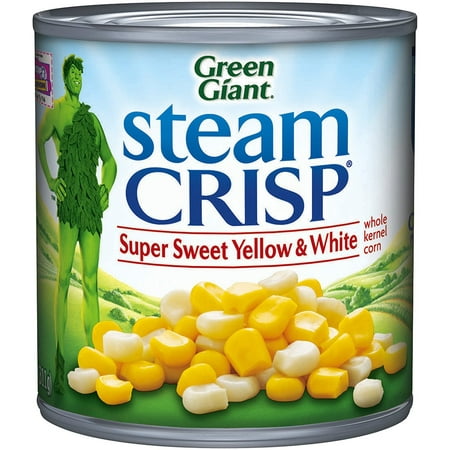
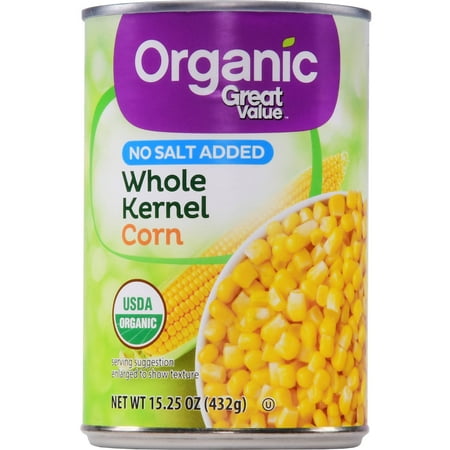
This product consists of simple ingredients: corn, water, and salt, which contribute to its clean label. Despite being processed, it lacks harmful additives or seed oils, making it a healthier option within its category. The minimal ingredient list and absence of artificial substances support a high score, though the processing level imposes a cap on the rating.
Key ingredients 3
CornGood
Beneficial ingredient — whole-food or functional value in this product class.
Risks
Corn can be high in carbohydrates, which may not be suitable for low-carb diets. There is also a risk of GMO presence unless specified as non-GMO.
Benefits
Corn provides essential carbohydrates for energy and contains some fiber, which aids in digestion. It also offers small amounts of vitamins and minerals.
WaterNeutral
Water is used as a medium for cooking and preserving the corn. It is a neutral ingredient with no nutritional value. Its presence ensures the corn remains hydrated and palatable.
See more about Water →SaltNeutral
Salt is used for flavor enhancement and preservation. It is a common additive in processed foods. While it enhances taste, excessive consumption can lead to health issues.
Risks
High sodium intake can contribute to hypertension and cardiovascular issues.
Benefits
Salt enhances flavor and acts as a preservative, extending the shelf life of the product.
Processing
Processed Foods
Get the full breakdown in the Scout appTake Scout shopping
Scan any product to see lab results, healthy alternatives, and your personalized analysis.
Download on theApp Store GET IT ONGoogle Play