


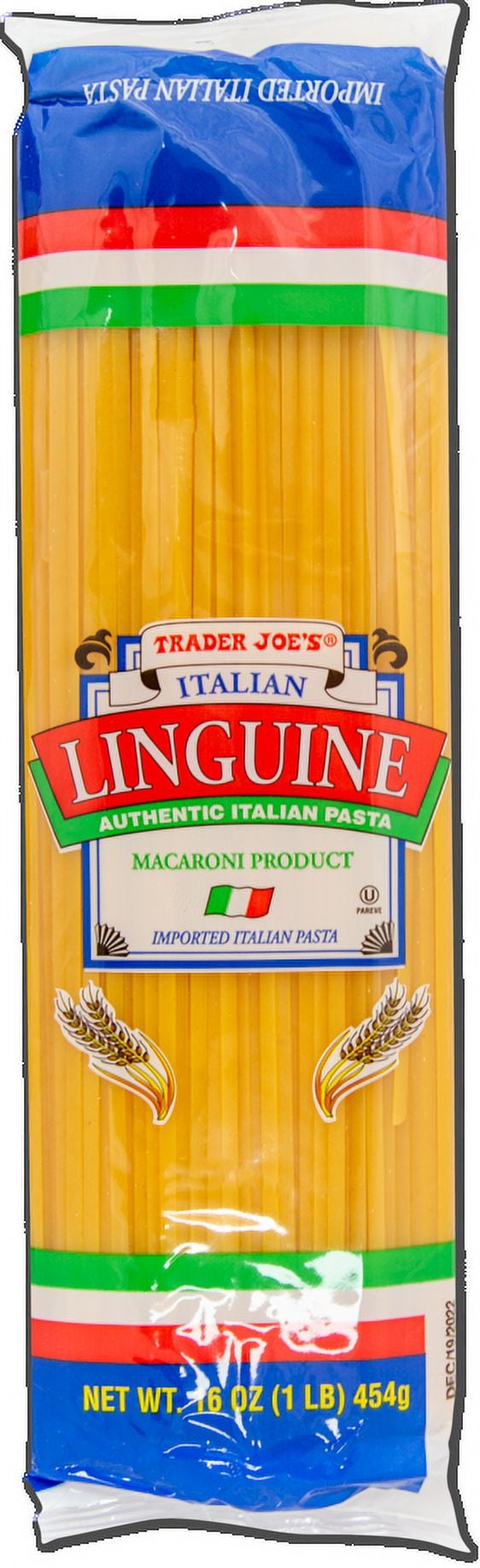


At a glance
Summary
This linguine is made with high-quality ingredients like durum wheat semolina and eggs, which contribute to its nutritional value and texture. However, it is classified as ultra-processed due to its processing level, which limits its score despite the absence of harmful additives. The inclusion of beta carotene as a natural colorant is a positive aspect, but the overall processing level impacts the final rating.
Key ingredients 6
EggsGood
Eggs are a high-quality protein source and add richness to pasta. They contain essential amino acids and are a good source of vitamins and minerals. Eggs enhance the nutritional profile of pasta by providing additional protein and nutrients.
Risks
Eggs can be a common allergen and may pose a risk for individuals with egg allergies.
Benefits
Rich in high-quality protein and essential nutrients, contributing to a balanced diet.
Beta caroteneGood
Beta carotene is a natural pigment and antioxidant that can be converted into vitamin A in the body. It is beneficial for eye health and immune function. As a natural colorant, it is preferable to artificial dyes.
Benefits
Acts as an antioxidant and is a precursor to vitamin A, supporting vision and immune health.
Durum wheat semolinaNeutral
Standard formulation ingredient — neither beneficial nor harmful at typical use.
Risks
Contains gluten, which can cause adverse reactions in individuals with celiac disease or gluten sensitivity.
Benefits
High in protein and provides a firm texture to pasta, making it nutritionally superior to regular wheat flour.
WaterNeutral
Water is a basic ingredient used to hydrate and bind the dough in pasta making. It does not contribute any nutritional value but is essential for the texture and consistency of the pasta. It is a neutral ingredient with no health risks or benefits.
See more about Water →SaltNeutral
Salt is used to enhance the flavor of pasta. It is a refined ingredient and does not provide the trace minerals found in unrefined salts. Excessive consumption of salt can lead to health issues such as hypertension.
Risks
High sodium intake can contribute to hypertension and cardiovascular issues.
Benefits
Enhances flavor in foods, making them more palatable.
Wheat flourBad
Refined grain flour stripped of bran and germ.
Risks
Contains gluten, which can cause adverse reactions in individuals with celiac disease or gluten sensitivity.
Benefits
Provides a source of energy through carbohydrates and contains some protein.
Processing
Ultra-Processed Foods
Get the full breakdown in the Scout appTake Scout shopping
Scan any product to see lab results, healthy alternatives, and your personalized analysis.
Download on theApp Store GET IT ONGoogle Play