

Margaret Holmes Seasoned Butter Beans
Analysis updated May 2026 · How Scout scores
At a glance
Summary
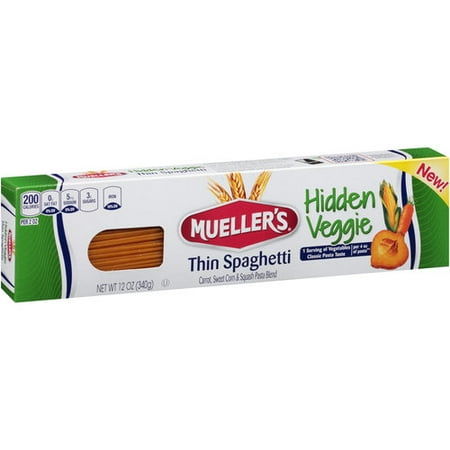
This product contains a mix of whole and processed ingredients, including semolina and various vegetable powders, which contribute to its nutritional profile. However, it is classified as processed due to the inclusion of enriched wheat and additives like niacin and ferrous sulfate. The absence of harmful additives such as artificial colors or seed oils is positive, but the processing level limits its overall healthiness score.
Key ingredients 10
NiacinGood
Beneficial ingredient — whole-food or functional value in this product class.
Risks
High doses may cause skin flushing and liver damage.
Benefits
Supports energy metabolism and is essential for overall health.
RiboflavinGood
Essential B vitamin — beneficial micronutrient.
Benefits
Supports energy production and cellular function, contributing to overall health.
SemolinaNeutral
Semolina is a coarse flour made from durum wheat, commonly used in pasta and bread. It is a source of carbohydrates and provides some protein and fiber. However, it is not particularly nutrient-dense compared to whole grains.
Risks
Contains gluten, which may cause issues for individuals with celiac disease or gluten sensitivity.
Benefits
Provides a source of energy through carbohydrates and contains some protein and fiber.
Sweet Corn PowderNeutral
Sweet corn powder is made from dried and ground sweet corn, providing carbohydrates and some fiber. It retains some of the natural sweetness and nutrients of corn. However, it is less nutrient-dense than whole corn due to processing.
Benefits
Offers some fiber and natural sweetness, contributing to flavor and texture.
Carrot PowderNeutral
Carrot powder is made from dehydrated carrots, retaining some vitamins and minerals. It adds color and a mild sweetness to foods. However, the dehydration process may reduce some nutrient content compared to fresh carrots.
Benefits
Provides some vitamins and minerals, including beta-carotene, which is beneficial for eye health.
Squash PowderNeutral
Squash powder is derived from dehydrated squash, offering some vitamins and minerals. It contributes to flavor and color in food products. The drying process may reduce the nutrient density compared to fresh squash.
Benefits
Contains some vitamins and minerals, contributing to nutritional value.
Ferrous SulfateNeutral
Ferrous sulfate is a form of iron used to fortify foods and prevent iron deficiency anemia. It is an effective way to increase iron intake in diets lacking this mineral. However, it can cause gastrointestinal discomfort in some individuals.
Risks
May cause constipation, nausea, or stomach upset in some people.
Benefits
Helps prevent iron deficiency anemia by increasing iron levels in the body.
Thiamin MononitrateNeutral
Thiamin mononitrate is a synthetic form of vitamin B1, essential for energy metabolism and nerve function. It is commonly added to foods to ensure adequate intake. While beneficial, it is not superior to natural sources of thiamin.
Benefits
Supports energy metabolism and nerve function, essential for overall health.
Folic AcidNeutral
Folic acid is a synthetic form of folate, a B-vitamin essential for DNA synthesis and cell division. It is added to foods to prevent folate deficiency. While beneficial, excessive intake can mask vitamin B12 deficiency.
Risks
High intake may mask symptoms of vitamin B12 deficiency.
Benefits
Essential for DNA synthesis and cell division, preventing folate deficiency.
WheatNeutral
Wheat is a staple grain providing carbohydrates, protein, and some fiber. It is a common ingredient in many food products. However, it contains gluten, which can be problematic for those with celiac disease or gluten sensitivity.
Risks
Contains gluten, which may cause issues for individuals with celiac disease or gluten sensitivity.
Benefits
Provides energy through carbohydrates and contains some protein and fiber.
Processing
Processed Foods
Get the full breakdown in the Scout appTake Scout shopping
Scan any product to see lab results, healthy alternatives, and your personalized analysis.
Download on theApp Store GET IT ONGoogle PlayAmazon pricing & content
Amazon price as of . Product prices and availability are accurate as of the date/time indicated and are subject to change. Any price and availability information displayed on Amazon.com at the time of purchase will apply to the purchase of this product.
CERTAIN CONTENT THAT APPEARS ON THIS SITE COMES FROM AMAZON. THIS CONTENT IS PROVIDED “AS IS” AND IS SUBJECT TO CHANGE OR REMOVAL AT ANY TIME.