


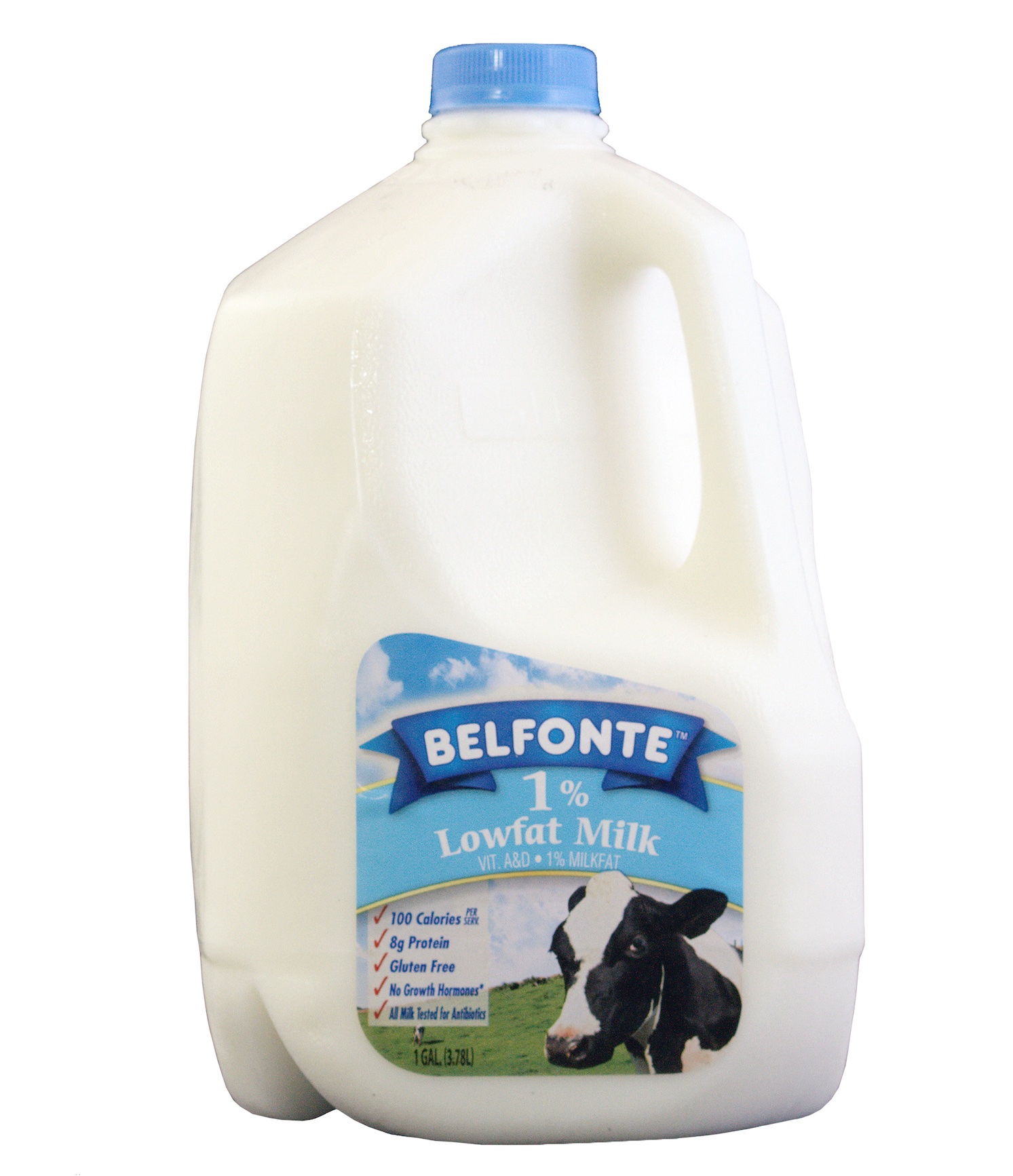


1% Lowfat Chocolate Milk
Analysis updated June 2026 · How Scout scores
At a glance
Summary
This 1% Lowfat Chocolate Milk is ultra-processed, which limits its potential score. It contains added sugars, which can contribute to excessive calorie intake and health issues like obesity and diabetes. Additionally, the presence of carrageenan and natural flavors raises concerns due to potential digestive issues and lack of transparency. However, it does include beneficial ingredients like lowfat milk and cocoa, which provide essential nutrients and antioxidants.
Key ingredients 12
Lowfat MilkGood
Lowfat milk is a source of calcium and vitamin D, which are essential for bone health. It is processed to remove some fat, making it a lower-calorie option compared to whole milk. This ingredient provides protein and other essential nutrients without excessive fat content.
Benefits
Rich in calcium and vitamin D, supporting bone health and providing essential nutrients.
CocoaGood
Cocoa is a natural ingredient that provides antioxidants and can improve heart health. It is minimally processed to retain its beneficial compounds, such as flavonoids. Cocoa can enhance mood and cognitive function due to its theobromine and caffeine content.
Benefits
Rich in antioxidants and flavonoids, supporting heart health and cognitive function.
Vitamin D3Good
Vitamin D3 is an essential nutrient that supports bone health and immune function. It is added to fortify foods and is well-absorbed in this form. Adequate vitamin D3 intake is crucial for calcium absorption and maintaining healthy bones.
Benefits
Supports bone health and immune function, aiding in calcium absorption.
WaterNeutral
Water is used as a solvent and to adjust the consistency of the product. It is a neutral ingredient with no direct nutritional impact. Water is essential for hydration but does not contribute additional nutrients in this context.
See more about Water →Corn StarchNeutral
Corn starch is used as a thickening agent in food products. It is processed from corn and provides no significant nutritional value. While it helps improve texture, it does not contribute to the nutritional profile of the product.
See more about Corn Starch →SaltNeutral
Salt is used to enhance flavor and preserve food. It is a natural mineral but should be consumed in moderation to avoid health issues like hypertension. In small amounts, salt is essential for maintaining fluid balance and nerve function.
Risks
Excessive intake can lead to hypertension and cardiovascular issues.
Benefits
Essential for fluid balance and nerve function in moderate amounts.
Nonfat MilkNeutral
Standard formulation ingredient — neither beneficial nor harmful at typical use.
Benefits
Provides calcium and vitamin D, supporting bone health and offering a low-calorie protein source.
Vitamin A PalmitateNeutral
Vitamin A palmitate is a synthetic form of vitamin A added to fortify foods. It is processed to be stable and bioavailable, ensuring adequate intake of this essential nutrient. While beneficial in preventing vitamin A deficiency, excessive intake can lead to toxicity.
Risks
Excessive intake can lead to vitamin A toxicity.
Benefits
Helps prevent vitamin A deficiency and supports vision and immune function.
Liquid SugarBad
Liquid sugar is a form of added sugar that can contribute to excessive calorie intake and potential weight gain. It is processed to be in liquid form, which can lead to quicker absorption and spikes in blood sugar levels. Excessive consumption of added sugars is linked to various health issues, including obesity and diabetes.
Risks
High intake can lead to weight gain, increased risk of diabetes, and other metabolic disorders.
SugarBad
Sugar is a common sweetener that can lead to health issues when consumed in excess. It is highly processed and contributes to increased calorie intake without providing essential nutrients. Overconsumption of sugar is associated with obesity, type 2 diabetes, and dental problems.
Risks
Excessive consumption can lead to obesity, diabetes, and dental issues.
CarrageenanBad
Carrageenan is a food additive used as a thickener and stabilizer. It is derived from red seaweed but has been linked to digestive issues and inflammation in some studies. Its use in food products is controversial due to potential gastrointestinal concerns.
Risks
May cause digestive issues and inflammation in sensitive individuals.
Natural FlavorBad
Natural flavor is a catch-all term for flavoring agents derived from natural sources. It is highly processed and lacks transparency, making it difficult to assess its health impact. The use of natural flavors can mask the presence of less desirable ingredients.
Risks
Lack of transparency and potential masking of undesirable ingredients.
Processing
Ultra-Processed Foods
Get the full breakdown in the Scout appTake Scout shopping
Scan any product to see lab results, healthy alternatives, and your personalized analysis.
Download on theApp Store GET IT ONGoogle Play