

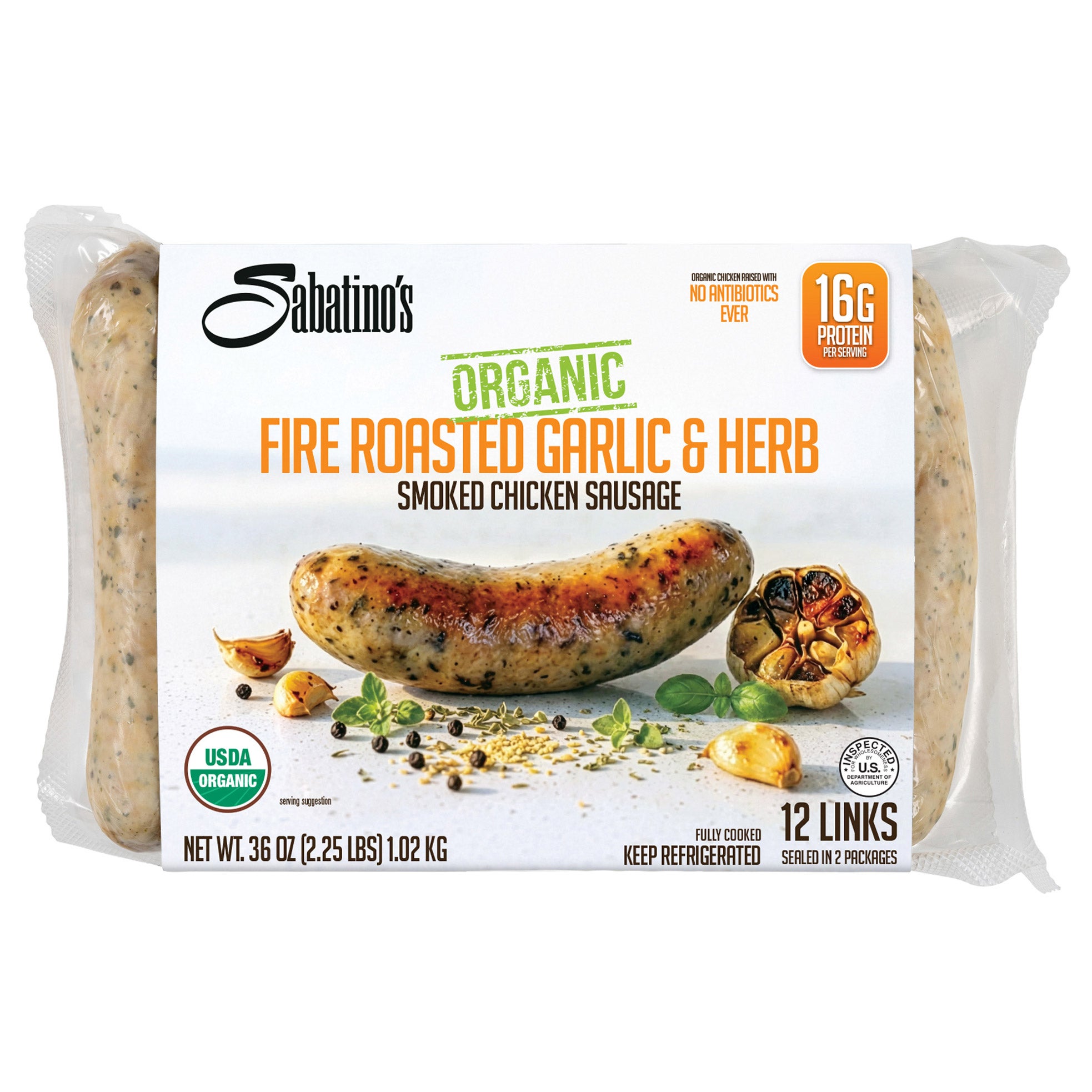

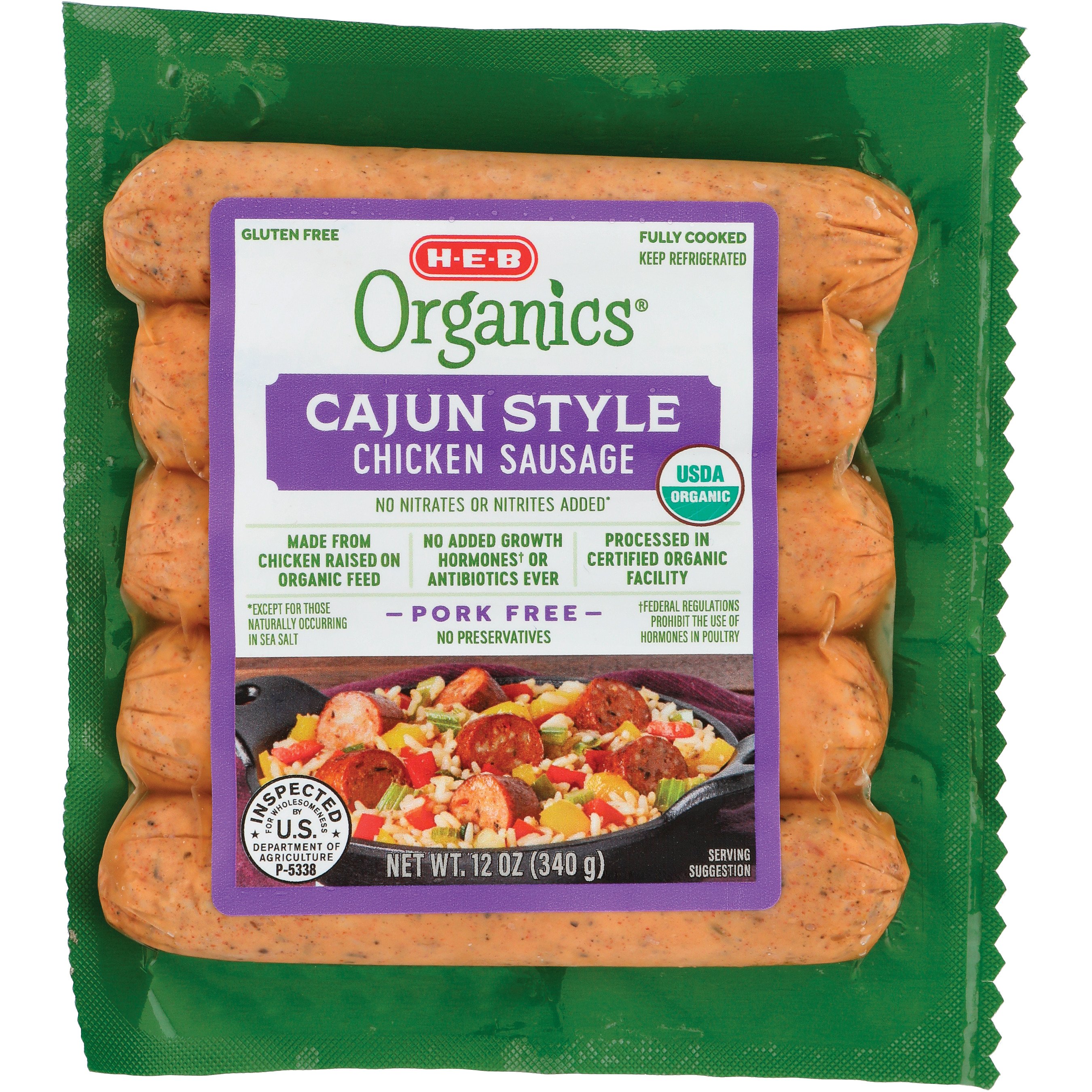
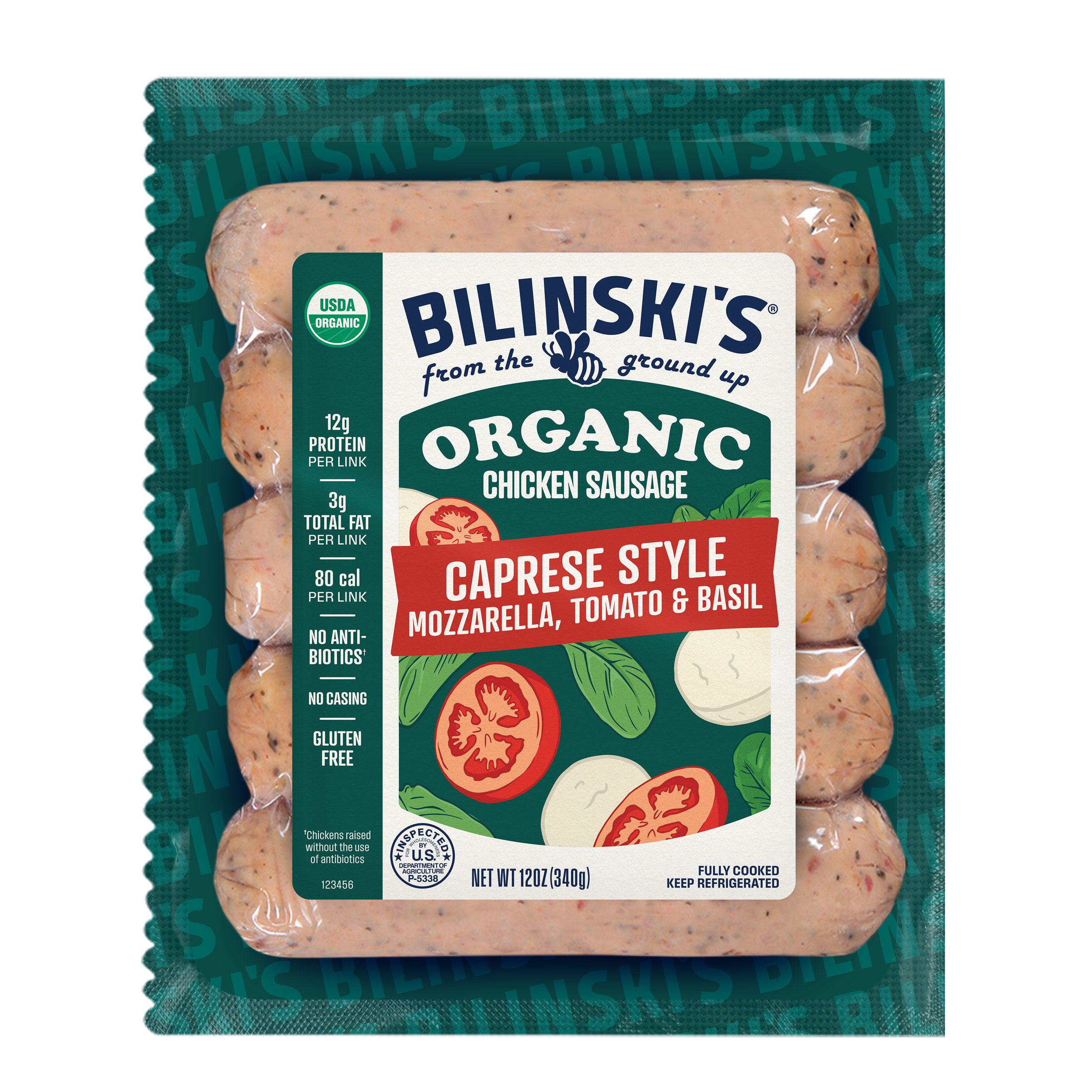
Al Fresco Roasted Garlic Chicken Sausage
Analysis updated July 2026 · How Scout scores
At a glance
Summary
This chicken sausage is ultra-processed, which limits its potential health score despite having some beneficial ingredients like chicken and sea salt. The presence of sugar and natural flavors, which can obscure ingredient transparency, further impacts its rating. While it offers a good protein content, the processing level and inclusion of less desirable additives prevent it from scoring higher.
Key ingredients 10
ChickenGood
Chicken is a high-quality source of animal protein, providing essential amino acids necessary for muscle growth and repair. It is generally considered a lean meat, especially when skinless, and offers a good balance of nutrients. Compared to plant-based proteins, chicken provides a richer amino acid profile.
Benefits
Rich in protein and essential nutrients like B vitamins and selenium, supporting muscle health and metabolism.
Sea SaltGood
Sea salt is a minimally processed source of sodium and trace minerals. It is often preferred over refined table salt due to its natural mineral content. The use of sea salt can enhance flavor without the need for excessive additives.
Risks
Excessive sodium intake can lead to hypertension and cardiovascular issues.
Benefits
Provides essential sodium and trace minerals that are important for maintaining fluid balance and nerve function.
Garlic PowderGood
Concentrated whole-food seasoning.
Benefits
May offer some antioxidant properties and support immune health.
WaterNeutral
Water is used as a processing aid and does not contribute significant nutritional value. It is essential for maintaining moisture and texture in processed foods. Water itself is neutral in terms of health impact.
See more about Water →Roasted GarlicNeutral
Roasted garlic is used for flavor enhancement and provides a distinct taste profile. While it offers some antioxidants, the quantity in processed foods is typically minimal. It is a natural ingredient with no significant processing concerns.
Benefits
Contains antioxidants and may support heart health when consumed in larger quantities.
Onion PowderNeutral
Onion powder is used for flavoring and is derived from dehydrated onions. It retains some of the beneficial compounds found in fresh onions, such as antioxidants. However, the processing reduces its overall nutritional value.
Benefits
Provides flavor and some antioxidants, though in reduced amounts compared to fresh onions.
Dried OnionNeutral
Dried onion is used for flavor and is a dehydrated form of fresh onion. It retains some nutrients and antioxidants but in lower amounts due to processing. It is a natural ingredient with no significant health concerns.
Benefits
Provides flavor and some antioxidants, though less than fresh onions.
Natural Pork CasingNeutral
Natural pork casing is used to encase sausages and is derived from animal intestines. It is a traditional method of sausage production and is generally considered safe. The casing itself does not contribute significant nutritional value.
Benefits
Provides a natural casing for sausages, enhancing texture and appearance.
SugarBad
Sugar is a refined carbohydrate that can contribute to increased calorie intake without providing essential nutrients. Excessive consumption is linked to obesity, diabetes, and other metabolic disorders. In processed foods, sugar is often used to enhance flavor and preserve shelf life.
Risks
High intake of sugar can lead to weight gain, insulin resistance, and increased risk of chronic diseases.
Natural FlavorsBad
Natural flavors are often used to enhance taste but lack transparency regarding their specific composition. They can contain a variety of compounds, some of which may be synthetic. The lack of disclosure can be concerning for those with allergies or sensitivities.
Risks
Potential allergens or synthetic compounds may be present, posing risks for sensitive individuals.
Processing
Ultra-Processed Foods
Get the full breakdown in the Scout appTake Scout shopping
Scan any product to see lab results, healthy alternatives, and your personalized analysis.
Download on theApp Store GET IT ONGoogle Play