


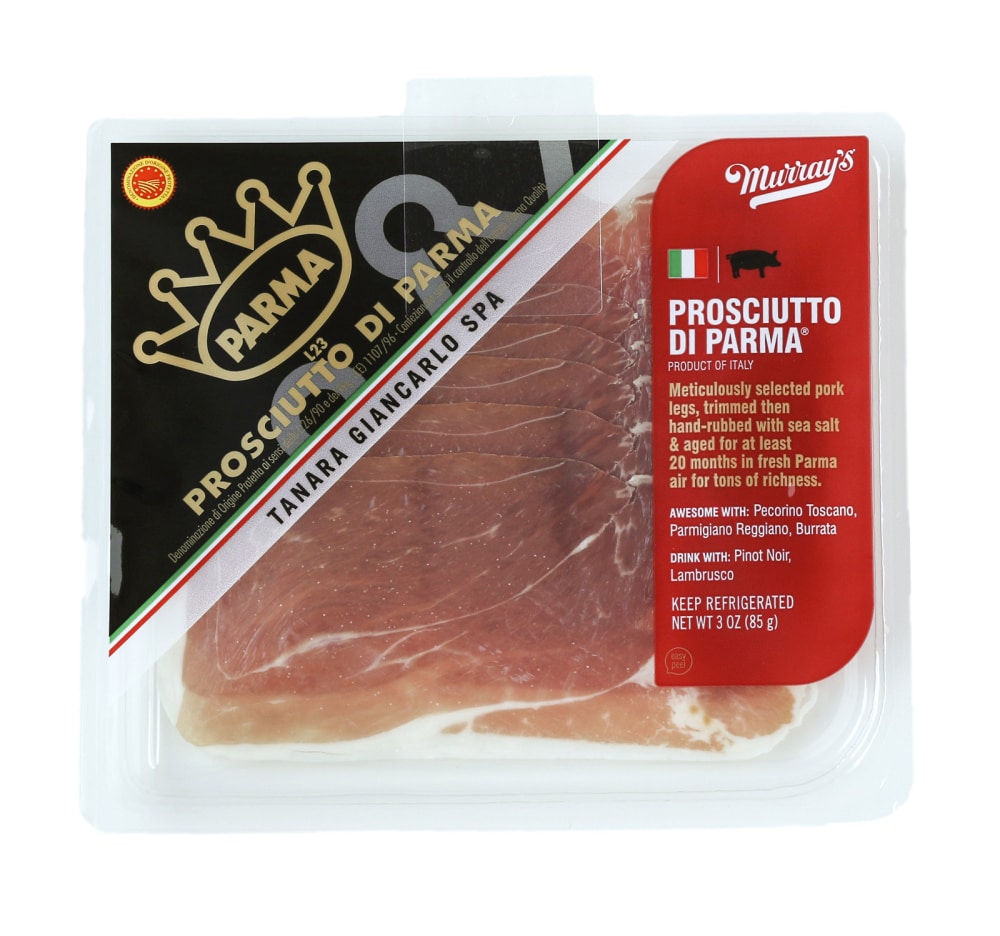

At a glance
Summary
This prosciutto contains high-quality ingredients like pork and extra virgin olive oil, which provide beneficial nutrients and healthy fats. However, the presence of enriched flour, a refined ingredient, detracts from its nutritional profile. Additionally, the product is processed, which limits its score despite the use of some clean ingredients.
Key ingredients 8
Extra virgin olive oilVery Good
Extra virgin olive oil is a high-quality monounsaturated fat with anti-inflammatory properties. It contains antioxidants that support heart health. Cold-pressed extraction preserves beneficial compounds.
Benefits
Rich in monounsaturated fats that support heart health and provide anti-inflammatory properties. Contains antioxidants like vitamin E and polyphenols that may reduce oxidative stress.
PorkGood
Pork is a high-quality source of protein and essential nutrients. It provides vitamins such as B12 and minerals like zinc and iron. When sourced from well-raised animals, it can be a nutritious part of a balanced diet.
Risks
Potential risks include high saturated fat content and the possibility of contamination if not properly handled.
Benefits
Rich in protein and essential nutrients, supporting muscle growth and overall health.
Sea saltGood
Sea salt is a minimally processed source of sodium and trace minerals. It is often preferred for its natural mineral content compared to refined table salt. Its use in moderation can enhance flavor without excessive sodium intake.
Risks
Excessive consumption can lead to high blood pressure and other cardiovascular issues.
Benefits
Provides essential sodium and trace minerals, supporting electrolyte balance and nerve function.
Pasteurized part skimmed milkNeutral
Pasteurized part skimmed milk is a source of calcium and protein. The pasteurization process ensures safety by eliminating harmful bacteria. Skimming reduces fat content, making it a lower-calorie option.
Risks
May cause lactose intolerance symptoms in sensitive individuals.
Benefits
Provides calcium and protein, supporting bone health and muscle maintenance.
SaltNeutral
Salt is a common seasoning and preservative. It is essential for maintaining fluid balance and nerve function. However, it lacks the trace minerals found in unrefined salts.
Risks
Excessive intake can contribute to hypertension and cardiovascular diseases.
Benefits
Essential for fluid balance and nerve function, but should be consumed in moderation.
Cheese culturesNeutral
Cheese cultures are used in the fermentation process to develop flavor and texture in cheese. They are generally considered safe and beneficial for gut health. The specific strains used can vary, impacting the final product's characteristics.
Benefits
May contribute to gut health by supporting beneficial bacteria.
EnzymesNeutral
Enzymes are used in cheese production to aid in coagulation and flavor development. They are naturally occurring proteins that facilitate biochemical reactions. Their use is standard in cheese making and generally considered safe.
Benefits
Facilitate cheese production and enhance flavor without significant health concerns.
Enriched flourBad
Enriched flour is refined wheat flour with added nutrients like niacin and iron. The refining process removes fiber and other nutrients, reducing its nutritional value. It is often used in processed foods, contributing to high glycemic index and potential blood sugar spikes.
Risks
May contribute to blood sugar spikes and lacks the fiber of whole grains.
Benefits
Provides some added nutrients like iron and B vitamins, but lacks the benefits of whole grains.
Processing
Processed Foods
Get the full breakdown in the Scout appTake Scout shopping
Scan any product to see lab results, healthy alternatives, and your personalized analysis.
Download on theApp Store GET IT ONGoogle Play