
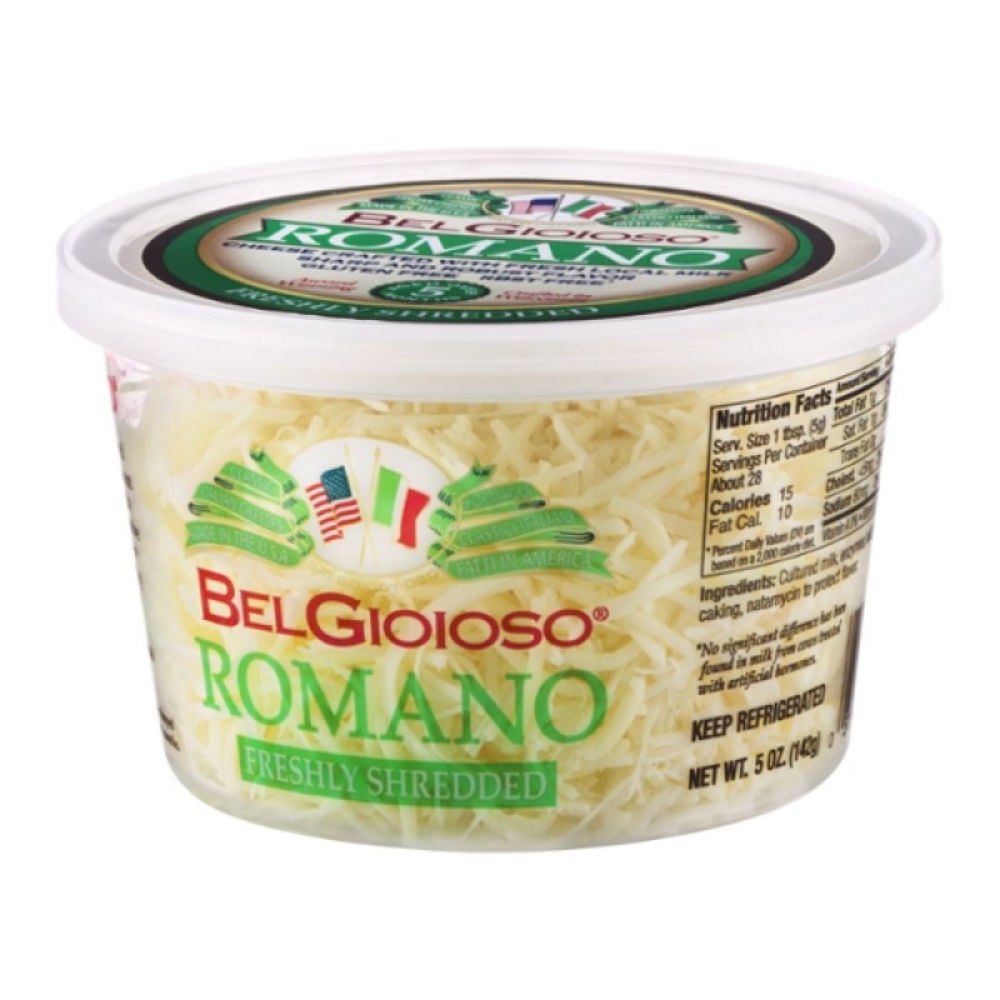
ROMANO FRESHLY SHREDDED CHEESE
At a glance
Summary
This shredded cheese product is processed and includes natamycin, a preservative that raises concerns about reliance on additives. While it contains basic cheese ingredients like cultured milk, enzymes, and salt, the addition of cellulose to prevent caking and natamycin for flavor protection indicates a moderate level of processing. These factors, along with the presence of preservatives, limit its score compared to more traditional, minimally processed cheeses.
Key ingredients 5
Cultured milkNeutral
Cultured milk is a primary ingredient in cheese, providing essential proteins and fats. It undergoes fermentation, which can enhance digestibility and flavor. However, without specific quality indicators like organic or grass-fed, it remains neutral.
Benefits
Provides proteins and fats essential for nutrition and can improve gut health through fermentation.
EnzymesNeutral
Enzymes are used in cheese production to aid in the coagulation of milk. They are typically derived from animal or microbial sources. The specific type and source of enzymes are not detailed, making them neutral.
Benefits
Essential for the cheese-making process, contributing to texture and flavor development.
SaltNeutral
Salt is used in cheese for flavor and preservation. It is a common ingredient in processed foods. Without specification as sea salt or unrefined, it remains neutral.
Risks
Excessive consumption of salt can lead to high blood pressure and cardiovascular issues.
Benefits
Enhances flavor and acts as a preservative in cheese.
Cellulose to prevent cakingNeutral
Cellulose is added to shredded cheese to prevent clumping. It is a plant-derived fiber that is generally recognized as safe. Its use in small amounts in food products is common and does not pose significant health concerns.
Benefits
Helps maintain the texture and usability of shredded cheese by preventing clumping.
Natamycin to protect flavorBad
Natamycin is a preservative used to prevent mold growth in cheese. It is an antifungal agent that can be considered unnecessary in fresh, high-quality cheese. Its use in processed foods raises concerns about over-reliance on preservatives.
Risks
Potential for allergic reactions in sensitive individuals and concerns about overuse of preservatives.
Benefits
Effectively prevents mold growth, extending the shelf life of cheese.
Processing
Processed Foods
Get the full breakdown in the Scout appTake Scout shopping
Scan any product to see lab results, healthy alternatives, and your personalized analysis.
Are you BelGioioso? Fix an error Get the badge Get tested


