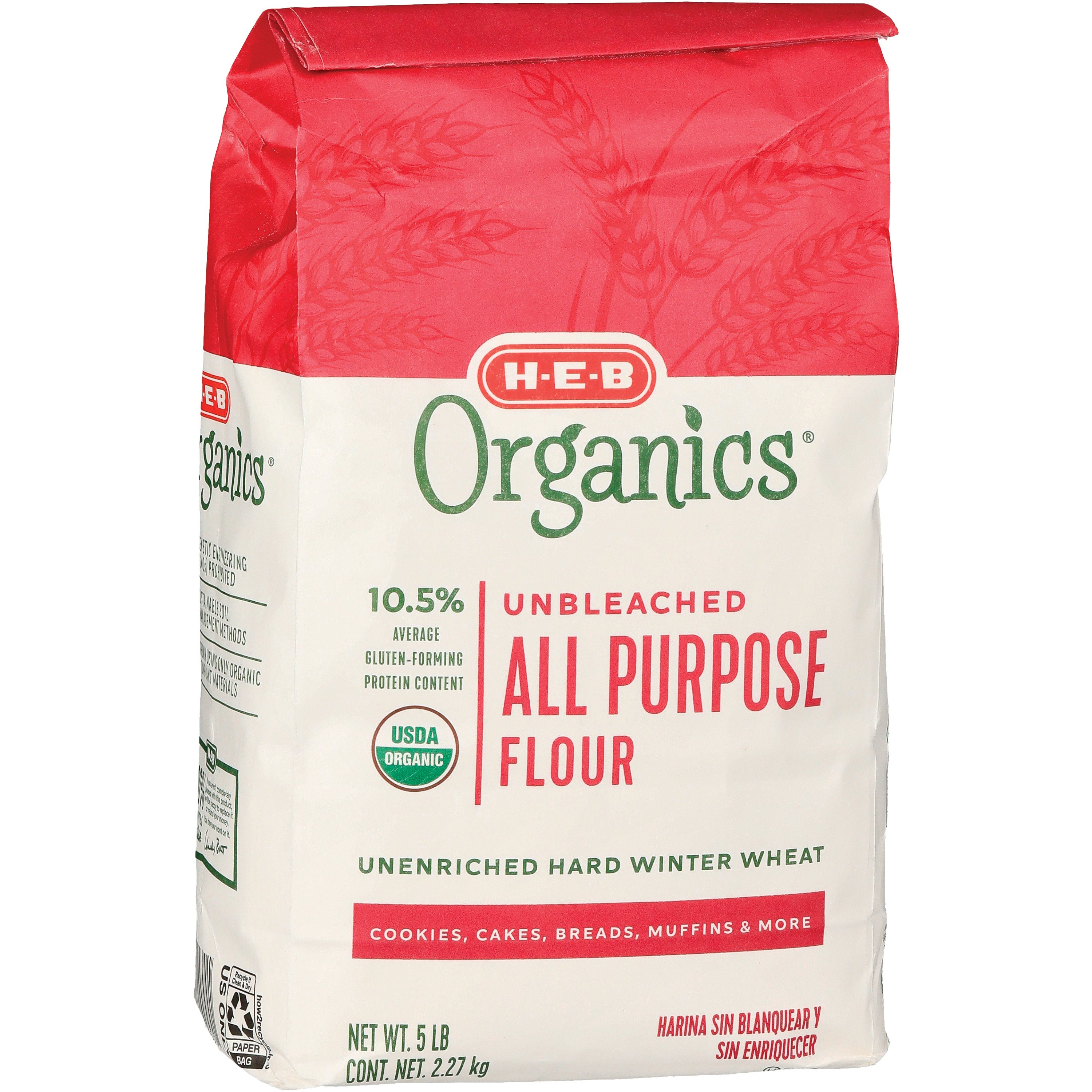
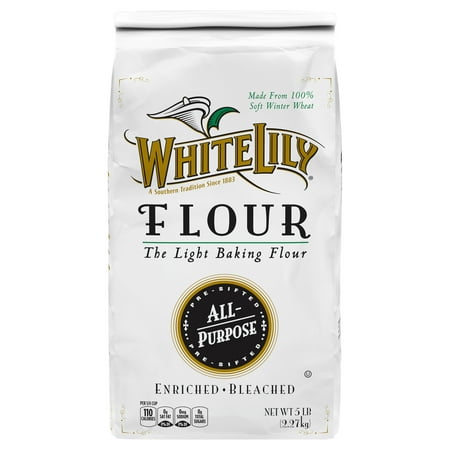
ALL PURPOSE FLOUR
At a glance
Summary
This product is a basic staple with minimal processing, consisting primarily of enriched wheat flour. While it provides essential nutrients like iron and B vitamins due to fortification, it lacks fiber and protein compared to whole grain alternatives. The absence of harmful additives or seed oils contributes positively to its rating.
Key ingredients 7
NiacinGood
Beneficial ingredient — whole-food or functional value in this product class.
Benefits
Supports energy metabolism and contributes to the maintenance of healthy skin and nerves.
RiboflavinGood
Essential B vitamin — beneficial micronutrient.
Benefits
Supports energy production and metabolism of fats and other compounds.
Enriched bleached flourNeutral
Enriched bleached flour is a refined flour that has been treated to improve texture and appearance. It is fortified with vitamins and minerals like niacin, iron, thiamin, riboflavin, and folic acid to replace nutrients lost during processing. While it provides essential nutrients, it lacks the fiber and other benefits of whole grain flour.
Risks
The refining process removes fiber and other nutrients, which may lead to a higher glycemic index and less satiety.
Benefits
Fortification with vitamins and minerals helps prevent deficiencies and supports overall health.
Reduced ironNeutral
Reduced iron is added to enriched flour to prevent iron deficiency anemia. It is a form of iron that is easily absorbed by the body. While it helps maintain healthy blood levels, excessive intake can lead to iron overload.
Risks
Excessive iron intake can lead to iron overload, which may cause health issues.
Benefits
Helps prevent iron deficiency anemia and supports healthy blood levels.
Thiamin mononitrateNeutral
Thiamin mononitrate is a form of vitamin B1 added to enriched flour to prevent deficiencies. It is essential for energy metabolism and nerve function. While beneficial, it is typically consumed in adequate amounts through a balanced diet.
Benefits
Supports energy metabolism and nerve function.
Folic acidNeutral
Folic acid is a synthetic form of vitamin B9 added to enriched flour to prevent neural tube defects during pregnancy. It is essential for DNA synthesis and repair. While beneficial, excessive intake can mask vitamin B12 deficiency.
Risks
Excessive intake can mask vitamin B12 deficiency, leading to potential health issues.
Benefits
Prevents neural tube defects during pregnancy and supports DNA synthesis and repair.
Wheat flourBad
Refined grain flour stripped of bran and germ.
Risks
Consumption of refined wheat flour can contribute to blood sugar spikes and may not provide lasting satiety.
Benefits
Provides a source of energy and is enriched with essential nutrients to support health.
Processing
Unprocessed or Minimally Processed Foods
Get the full breakdown in the Scout appTake Scout shopping
Scan any product to see lab results, healthy alternatives, and your personalized analysis.
Are you White Lily? Fix an error Get the badge Get tested