
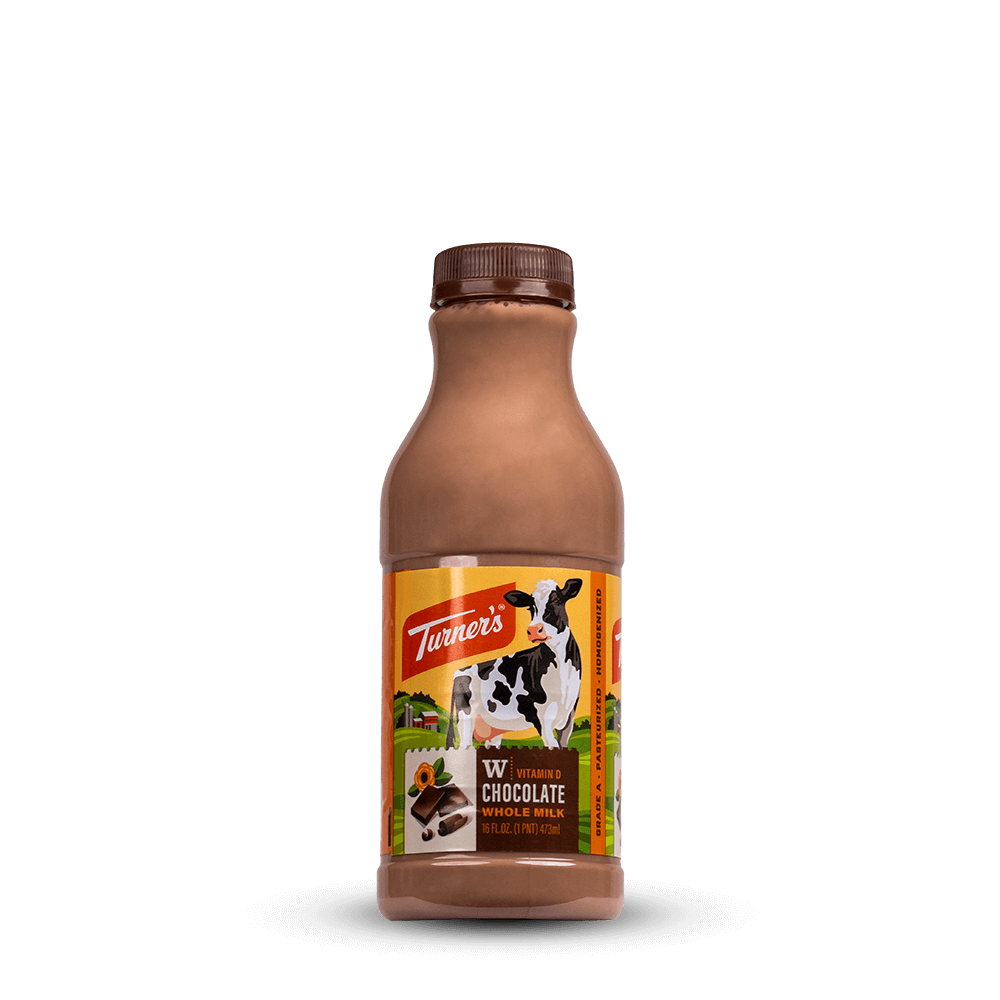


CHOCOLATE MILK
Analysis updated May 2026 · How Scout scores
At a glance
Summary
This chocolate milk is heavily processed, containing additives like carrageenan and artificial flavors, which can have negative health impacts. While it includes beneficial ingredients such as milk and vitamin D, the presence of added sugar and the high level of processing significantly reduce its healthiness. The combination of these factors results in a moderate score, reflecting both its nutritional benefits and drawbacks.
Key ingredients 10
MilkGood
Milk is a natural source of high-quality protein and essential nutrients like calcium and vitamin D. It provides a complete amino acid profile and supports bone health. The quality of milk can vary based on the source, with grass-fed options offering additional benefits.
Risks
Some individuals may be lactose intolerant or allergic to milk proteins.
Benefits
Rich in calcium and vitamin D, which are crucial for maintaining strong bones and teeth. Provides high-quality protein that supports muscle growth and repair.
Vitamin DGood
Vitamin D is essential for calcium absorption and bone health. It supports immune function and may reduce the risk of certain diseases. Fortification in foods helps prevent deficiencies, especially in populations with limited sun exposure.
Benefits
Supports bone health and immune function, and helps prevent vitamin D deficiency.
Cocoa Processed With AlkaliNeutral
Cocoa processed with alkali, also known as Dutch-processed cocoa, has a milder flavor and darker color. The alkalization process reduces acidity but may also decrease some antioxidant properties. It is used to enhance the flavor and color of chocolate products.
Benefits
Provides flavor and color to chocolate products, though it may have reduced antioxidant content compared to natural cocoa.
SaltNeutral
Salt is used to enhance flavor and preserve food. While essential for bodily functions, excessive intake can lead to hypertension and cardiovascular issues. It is important to consume salt in moderation as part of a balanced diet.
Risks
Excessive salt intake can contribute to high blood pressure and increased risk of heart disease.
Benefits
Provides essential sodium needed for nerve and muscle function.
Citric AcidNeutral
Citric acid is a natural preservative and flavor enhancer commonly used in food products. It is generally recognized as safe and helps maintain freshness. It is naturally found in citrus fruits and used to add a sour taste.
Benefits
Helps preserve food and enhance flavor without significant health concerns.
Corn StarchNeutral
Corn starch is a common thickening agent used in food products. It is derived from corn and provides texture without adding flavor. While it is a refined carbohydrate, it is generally considered safe in moderate amounts.
Benefits
Provides texture and thickness to food products without significant nutritional benefits.
SugarBad
Sugar is a refined carbohydrate that can contribute to increased calorie intake without providing essential nutrients. Excessive consumption is linked to obesity, type 2 diabetes, and dental cavities. It is often added to enhance sweetness but can lead to health issues when consumed in large amounts.
Risks
High intake of sugar can lead to weight gain, increased risk of metabolic diseases, and dental problems.
Natural And Artificial Strawberry FlavorBad
Natural and artificial flavors are used to enhance taste but can be highly processed and lack nutritional value. Artificial flavors may contain synthetic chemicals that mimic natural flavors. The use of such flavors can be concerning due to potential unknown health effects.
Risks
Potential for allergic reactions or sensitivities to synthetic chemicals in artificial flavors.
CarrageenanBad
Carrageenan is a thickening and stabilizing agent derived from red seaweed. It is used to improve texture but has been linked to digestive issues in some individuals. Concerns exist about its potential inflammatory effects in the gastrointestinal tract.
Risks
May cause digestive discomfort or inflammation in sensitive individuals.
VanillinBad
Processed additive flagged under Scout's ingredient doctrine.
Benefits
Provides vanilla flavor at a lower cost than natural vanilla extract.
Processing
Ultra-Processed Foods
Get the full breakdown in the Scout appTake Scout shopping
Scan any product to see lab results, healthy alternatives, and your personalized analysis.
Download on theApp Store GET IT ONGoogle Play