


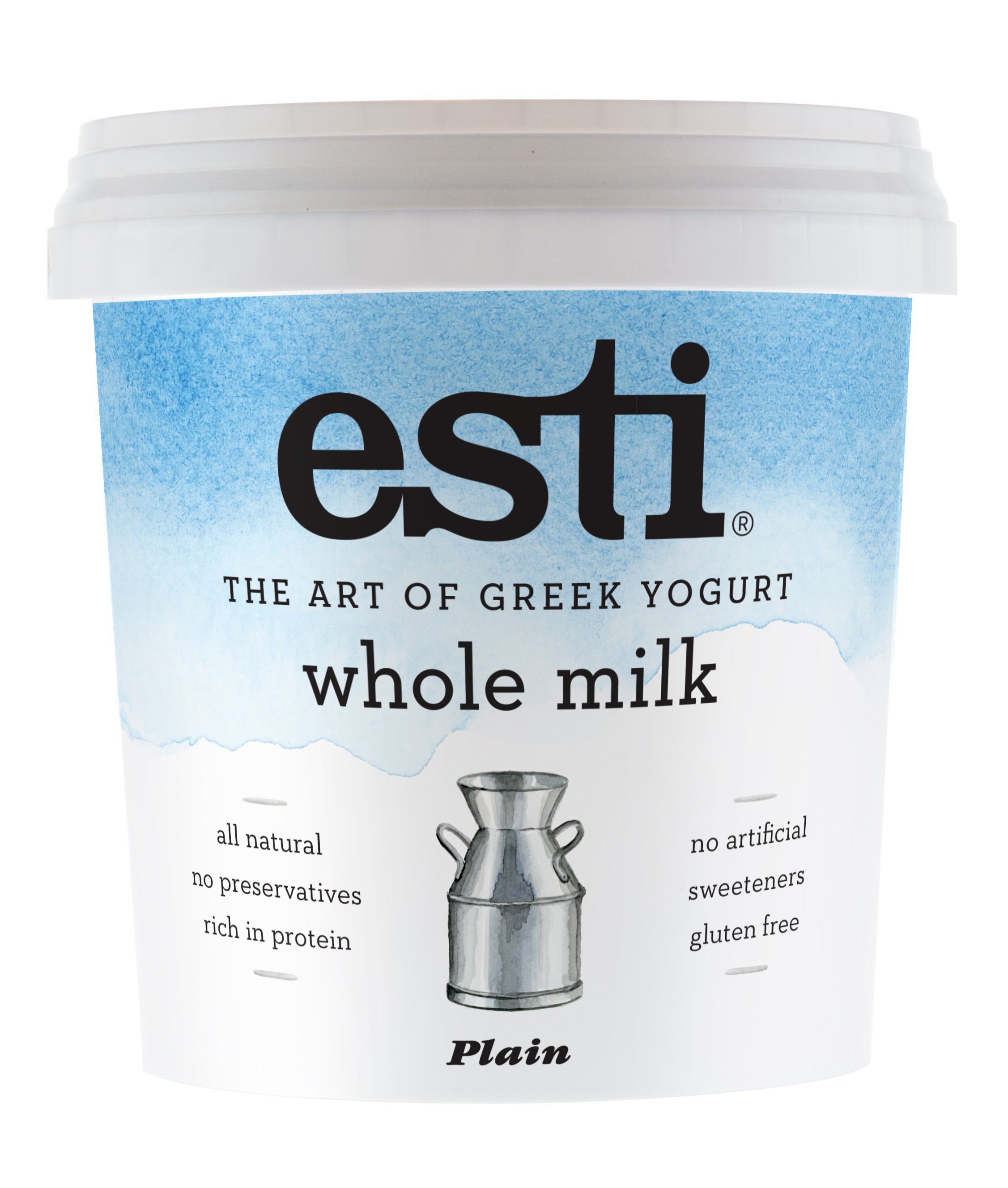


At a glance
Summary
This yogurt contains beneficial ingredients like cultured non-fat milk, blueberries, and probiotic cultures, which support gut health and provide essential nutrients. However, the presence of added cane sugar and natural flavors introduces some concerns, as refined sugars can contribute to health issues and natural flavors lack transparency. The product is moderately processed, which limits its score despite the presence of healthy components.
Key ingredients 9
BlueberriesVery Good
Blueberries are rich in antioxidants, particularly anthocyanins, which support heart health and reduce inflammation. They are a natural source of vitamins and fiber, contributing to overall health. Their natural sweetness enhances flavor without added sugars.
Benefits
Rich in antioxidants and vitamins, supporting heart health and reducing inflammation.
Cultured Non Fat MilkGood
Cultured non-fat milk is a primary source of protein and calcium, essential for bone health. The fermentation process enhances digestibility and provides beneficial probiotics. It is a low-fat option that supports a balanced diet.
Benefits
Provides high-quality protein and calcium, and contains probiotics that support gut health.
Vitamin D3Good
Vitamin D3 is essential for calcium absorption and bone health. It supports immune function and has been linked to mood regulation. Fortification in yogurt helps meet daily nutritional requirements.
Benefits
Supports bone health and immune function, and aids in calcium absorption.
S. Thermophilus And L. BulgaricusGood
These are probiotic cultures used in yogurt fermentation, promoting gut health. They help in the digestion of lactose and improve the nutritional profile of the yogurt. Their presence is beneficial for maintaining a healthy gut microbiome.
Benefits
Promotes gut health and aids in lactose digestion.
WaterNeutral
Water is used as a solvent and to adjust the consistency of the yogurt. It is a neutral ingredient with no direct nutritional impact. Its presence ensures the desired texture and hydration of the product.
See more about Water →PectinNeutral
Pectin is a natural thickening agent derived from fruits, used to improve the texture of the yogurt. It is a soluble fiber that can aid in digestion. Its use is common in food products to achieve desired consistency.
Benefits
May aid in digestion due to its soluble fiber content.
Lemon Juice ConcentrateNeutral
Lemon juice concentrate is used for flavor and as a natural preservative. It provides a slight acidic taste that can enhance the overall flavor profile. The concentration process may reduce some of the natural vitamin content.
Benefits
Adds flavor and acts as a natural preservative.
Cane SugarBad
Cane sugar is a refined sugar that contributes to the sweetness of the yogurt. Excessive consumption of refined sugars can lead to health issues such as obesity and diabetes. It is less beneficial compared to natural sweeteners found in whole foods.
Risks
High intake of refined sugars can increase the risk of obesity, diabetes, and other metabolic disorders.
Benefits
Provides quick energy but lacks additional nutritional benefits.
Natural FlavorsBad
Natural flavors are added to enhance the taste but can be ambiguous in origin and composition. They may contain a variety of compounds that are not fully disclosed. This lack of transparency can be concerning for consumers seeking clean labels.
Risks
Potential for undisclosed allergens or sensitivities due to ambiguous ingredient composition.
Benefits
Enhances flavor without adding calories, but lacks nutritional benefits.
Processing
Processed Foods
Get the full breakdown in the Scout appTake Scout shopping
Scan any product to see lab results, healthy alternatives, and your personalized analysis.
Download on theApp Store GET IT ONGoogle Play