


At a glance
Summary
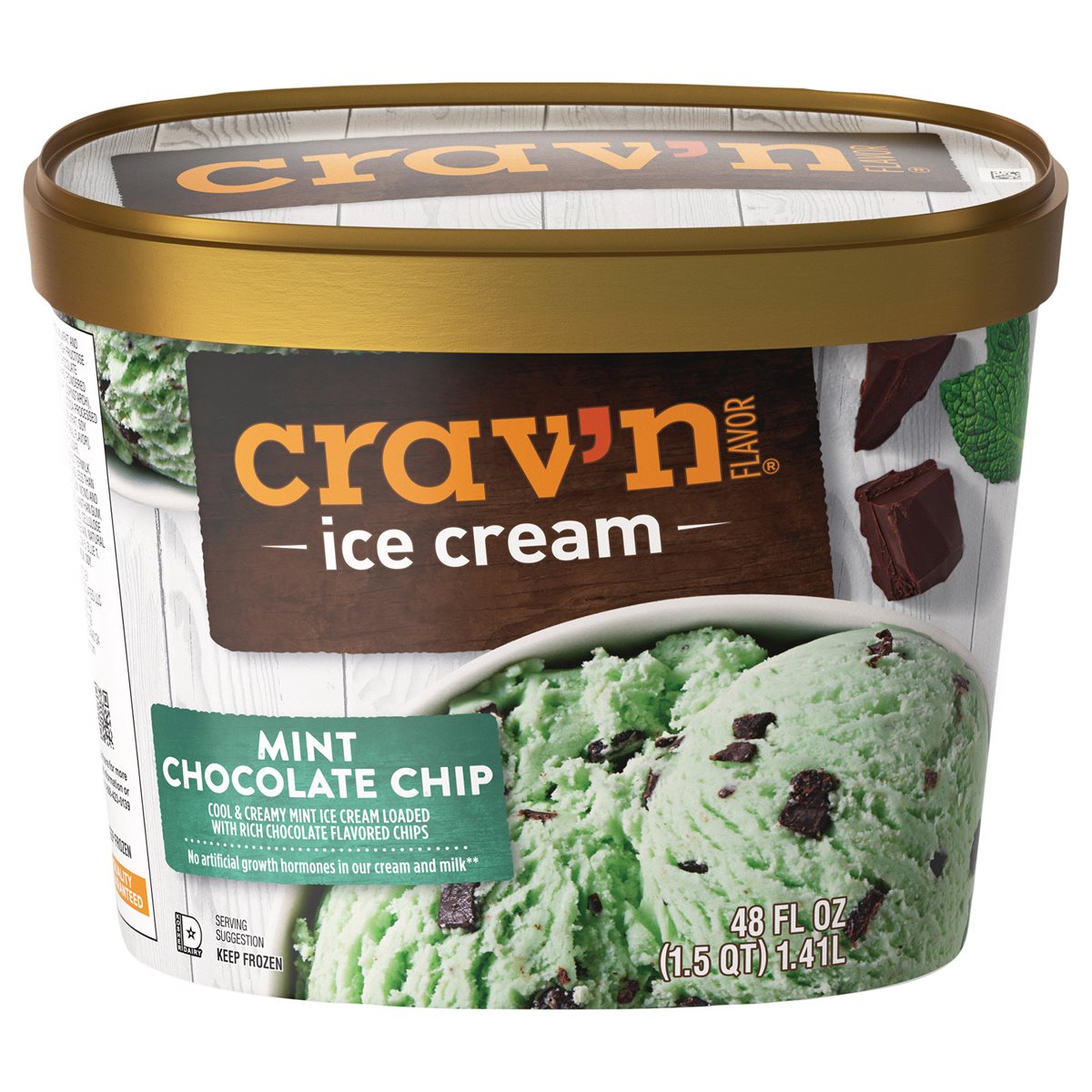
This ice cream is ultra-processed, which limits its potential health score. It contains refined sugar, which contributes to high calorie content and potential metabolic issues. While it includes some beneficial ingredients like milk, cream, and coconut oil, the presence of processed additives such as soy lecithin and natural flavors detracts from its overall nutritional quality.
Key ingredients 10
MilkGood
Milk is a natural source of calcium and protein, essential for bone health and muscle maintenance. It is minimally processed and provides a range of vitamins and minerals. The quality of milk can vary based on the source, with organic and grass-fed options offering additional benefits.
Risks
Lactose intolerance can cause digestive issues for some individuals.
Benefits
Rich in calcium and vitamin D, supporting bone health and providing a good source of protein.
CreamGood
Cream is a dairy product high in fat, providing a rich texture and flavor. It is a source of fat-soluble vitamins like A and D. The quality of cream can be enhanced if sourced from grass-fed cows.
Risks
High in saturated fat, which can contribute to heart disease if consumed in excess.
Benefits
Provides fat-soluble vitamins and contributes to a creamy texture and rich flavor.
Coconut OilGood
Coconut oil is a source of medium-chain triglycerides (MCTs), which are metabolized differently than other fats. It may support weight management and provide quick energy. The oil is extracted from coconut meat and is minimally processed.
Risks
High in saturated fat, which can be a concern if consumed in large amounts.
Benefits
Contains MCTs that may support metabolism and provide quick energy.
CocoaGood
Cocoa is rich in flavonoids, which have antioxidant properties and may support heart health. It is minimally processed when used in its natural form. The quality of cocoa can vary, with higher cocoa content providing more health benefits.
Benefits
Rich in antioxidants that may support cardiovascular health.
Chocolaty ChunksNeutral
Chocolaty chunks are typically made from a combination of cocoa, sugar, and fats. They provide flavor and texture but are often processed with added sugars and fats. The nutritional value depends on the cocoa content and quality of ingredients used.
Risks
May contain added sugars and fats, contributing to calorie intake.
Benefits
Provides flavor and texture to the product.
Cocoa Powder Processed with AlkaliNeutral
Cocoa powder processed with alkali, also known as Dutch-processed cocoa, has a milder flavor and darker color. The alkalization process reduces acidity but may decrease some antioxidant properties. It is used to enhance flavor and color in chocolate products.
Risks
May have reduced antioxidant content compared to natural cocoa powder.
Benefits
Enhances flavor and color in chocolate products.
ButterfatNeutral
Butterfat is the fat component of milk, providing a rich flavor and texture. It is a source of fat-soluble vitamins but is high in saturated fat. The quality can be higher if sourced from grass-fed cows.
Risks
High in saturated fat, which can contribute to heart disease if consumed in excess.
Benefits
Provides fat-soluble vitamins and enhances flavor and texture.
SugarBad
Refined sugar is a high-calorie ingredient with no essential nutrients. It can contribute to weight gain and increase the risk of metabolic diseases. Excessive consumption is linked to dental cavities and insulin resistance.
Risks
High intake can lead to obesity, type 2 diabetes, and heart disease.
Soy LecithinBad
Soy lecithin is an emulsifier derived from soybeans, used to stabilize and blend ingredients. It is a processed ingredient and may contain traces of soy allergens. While generally considered safe, it is not nutritionally beneficial.
Risks
May contain soy allergens and is a processed additive.
Natural FlavorBad
Natural flavors are additives used to enhance taste, derived from natural sources but processed. They can contain a variety of compounds, and their exact composition is often undisclosed. While generally recognized as safe, they offer no nutritional benefits.
Risks
Lack of transparency in composition and potential for allergens.
Processing
Ultra-Processed Foods
Get the full breakdown in the Scout appTake Scout shopping
Scan any product to see lab results, healthy alternatives, and your personalized analysis.
Download on theApp Store GET IT ONGoogle Play