

At a glance
Summary
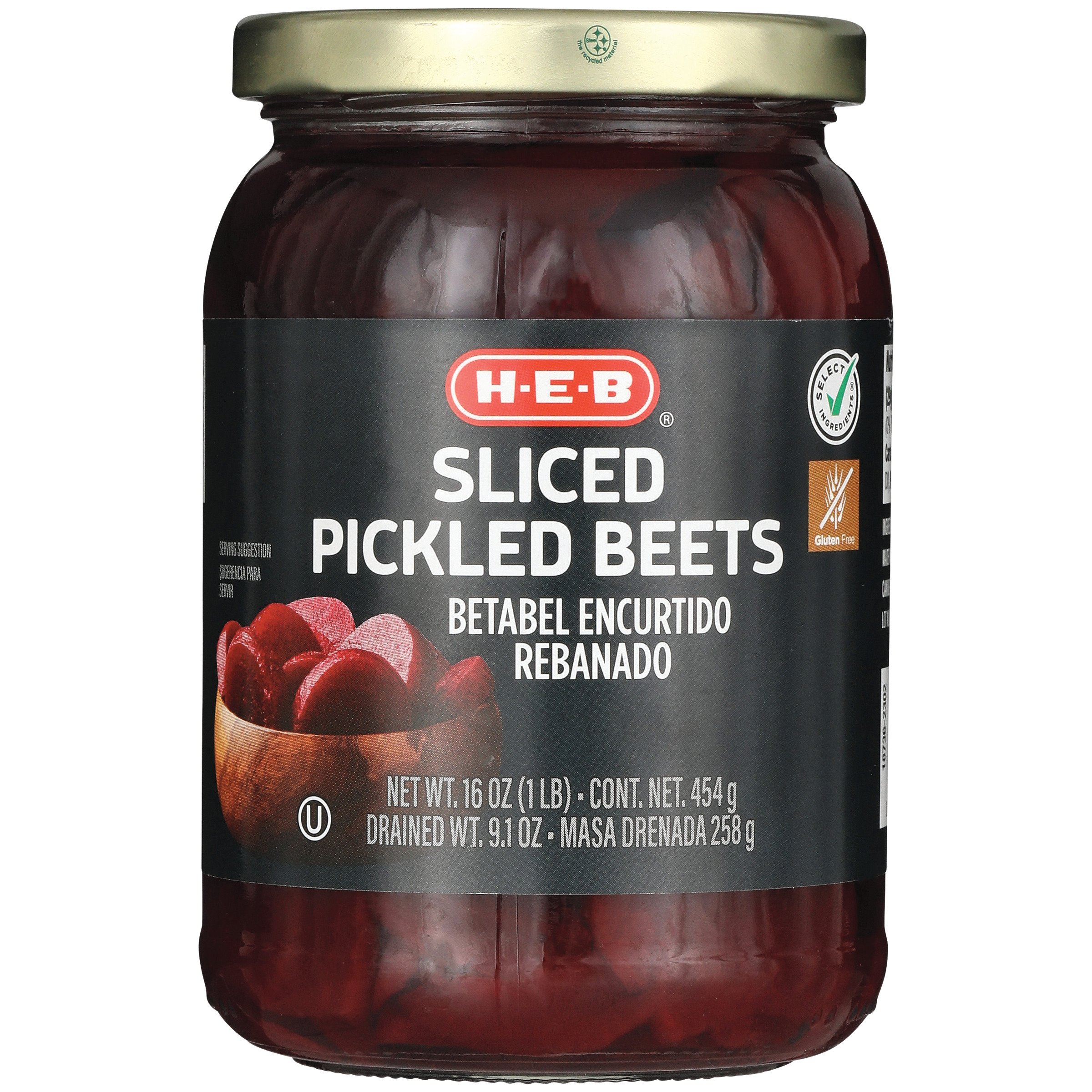
The sliced pickled beets are a processed food with added sugar, which contributes to empty calories and potential health risks like obesity and diabetes. However, the product contains beets, which are nutrient-rich and provide essential vitamins and minerals. The presence of sugar and the processing level limit the healthiness of this product compared to whole, unprocessed foods.
Key ingredients 6
BeetsGood
Beets are a nutrient-rich vegetable providing essential vitamins and minerals. They are high in dietary fiber, folate, and manganese, supporting overall health. Their natural nitrates may improve blood flow and lower blood pressure.
Risks
Beets contain oxalates, which may contribute to kidney stone formation in susceptible individuals.
Benefits
Rich in antioxidants and nitrates, beets support cardiovascular health and may enhance exercise performance.
WaterNeutral
Water is a neutral ingredient used as a solvent and carrier in food products. It does not contribute any nutritional value or health risks. Its presence is essential for maintaining the desired consistency and texture of the product.
See more about Water →VinegarNeutral
Vinegar is used as a preservative and flavor enhancer in pickled products. It provides acidity that helps in preserving the food and preventing spoilage. While it has some antimicrobial properties, its nutritional contribution is minimal.
Risks
Excessive consumption of vinegar may lead to digestive discomfort or enamel erosion.
Benefits
May aid in digestion and has antimicrobial properties that help preserve food.
SpiceNeutral
Spices are used to enhance flavor and may provide some health benefits depending on the type. They are generally considered neutral in small amounts used in food products. The specific type of spice is not identified, limiting detailed analysis.
Benefits
May provide antioxidants and enhance flavor without adding calories.
SaltNeutral
Salt is used to enhance flavor and preserve food. It is a necessary nutrient but should be consumed in moderation to avoid health issues. Excessive salt intake is linked to hypertension and cardiovascular diseases.
Risks
High sodium intake can lead to increased blood pressure and cardiovascular risk.
Benefits
Essential for maintaining fluid balance and nerve function in the body.
SugarBad
Refined sugar is a source of empty calories and can contribute to various health issues when consumed in excess. It is associated with increased risk of obesity, type 2 diabetes, and dental cavities. The processing of sugar removes beneficial nutrients, leaving only simple carbohydrates.
Risks
Excessive sugar intake can lead to weight gain, insulin resistance, and increased risk of chronic diseases.
Processing
Processed Foods
Get the full breakdown in the Scout appTake Scout shopping
Scan any product to see lab results, healthy alternatives, and your personalized analysis.
Download on theApp Store GET IT ONGoogle Play