
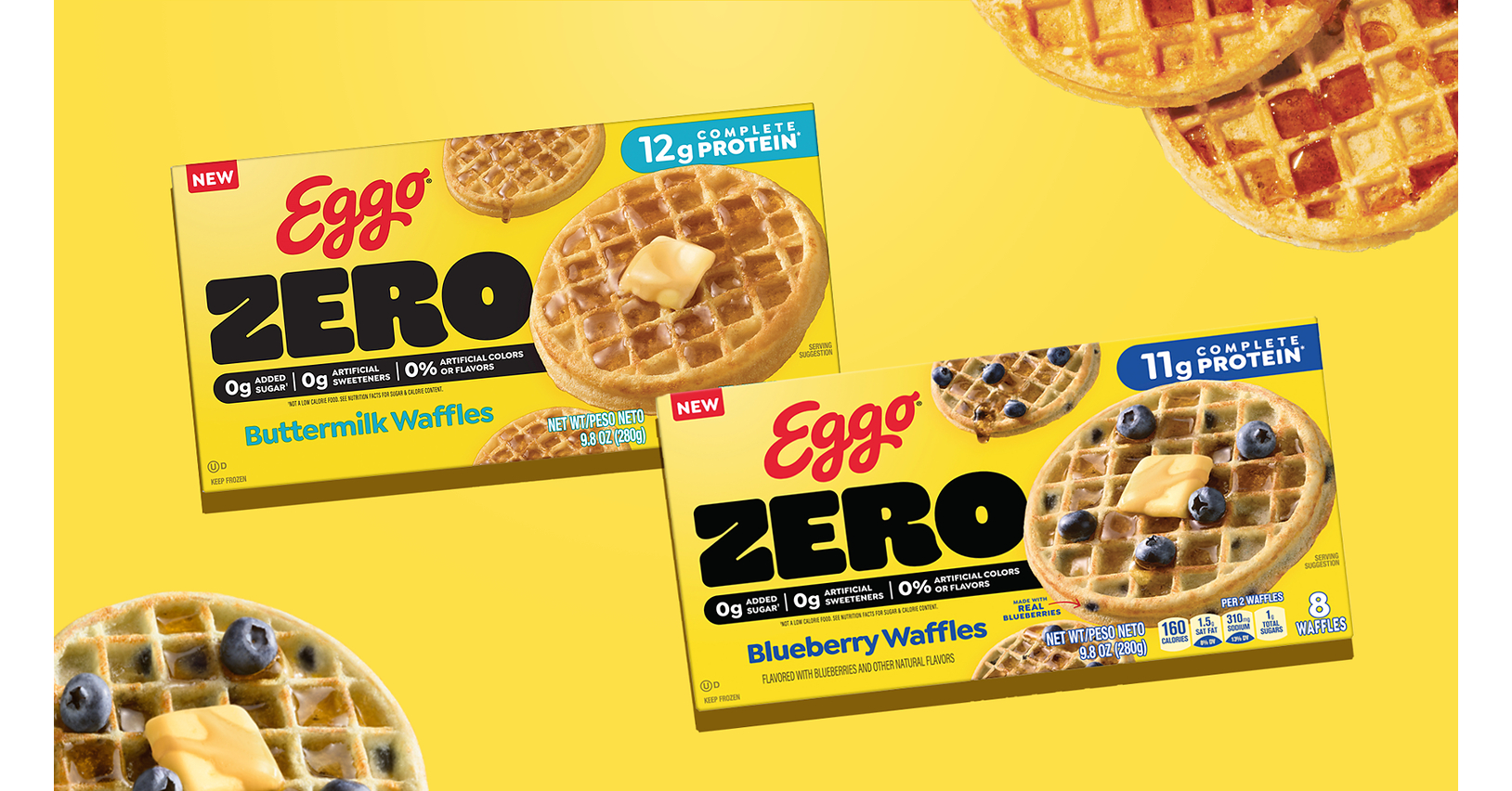


Eggo Zero Buttermilk Waffles
Analysis updated August 2026 · How Scout scores
At a glance
Summary
This product contains enriched flour and beneficial ingredients like niacin, reduced iron, and buttermilk, which contribute to its nutritional profile. However, the presence of vegetable oil, which is high in omega-6 fatty acids and can promote inflammation, along with soy lecithin, a processed emulsifier, detracts from its healthiness. The product is moderately processed, which limits its score despite some positive nutritional aspects.
Key ingredients 10
NiacinGood
Niacin, or vitamin B3, is essential for energy metabolism and DNA repair. It is often added to enriched flours to prevent deficiencies. Supports healthy skin and nervous system function.
Benefits
Supports energy production and helps maintain healthy skin and nerves.
Vitamin B1Good
Vitamin B1, or thiamine, is crucial for energy metabolism and nerve function. It is added to enriched flours to prevent deficiencies. Supports carbohydrate metabolism and nerve health.
Benefits
Essential for energy production and proper nerve function.
ButtermilkGood
Buttermilk is a fermented dairy product that adds flavor and moisture to baked goods. It contains probiotics that may support gut health. Provides a tangy flavor and tender texture.
Risks
May cause issues for those with lactose intolerance or dairy allergies.
Benefits
Contains probiotics that support gut health and adds a rich flavor to recipes.
EggsGood
Eggs are a high-quality protein source with essential amino acids. They provide vitamins and minerals like vitamin D and choline. Versatile ingredient used in many recipes for structure and richness.
Risks
May cause allergic reactions in some individuals.
Benefits
Rich in high-quality protein and essential nutrients like choline and vitamin D.
Enriched flourNeutral
Enriched flour is refined wheat flour with added vitamins and minerals. It lacks the fiber and nutrients found in whole grain flour. The enrichment process adds back some nutrients lost during refining.
Risks
May contribute to blood sugar spikes due to its high glycemic index.
Benefits
Provides essential vitamins and minerals like iron and B vitamins due to enrichment.
Reduced ironNeutral
Standard formulation ingredient — neither beneficial nor harmful at typical use.
Risks
Excessive iron intake can lead to toxicity, but this is rare from fortified foods.
Benefits
Helps prevent iron deficiency anemia and supports oxygen transport in the body.
WaterNeutral
Water is a basic ingredient used to hydrate and mix other ingredients. It is essential for life and has no caloric value. Used to achieve the desired consistency in food products.
Benefits
Essential for hydration and helps in mixing and processing other ingredients.
Wheat flourBad
Refined grain flour stripped of bran and germ.
Risks
May cause blood sugar spikes and is a common allergen for those with gluten sensitivity.
Benefits
Provides carbohydrates for energy and is a versatile ingredient in many recipes.
Soy lecithinBad
Soy lecithin is an emulsifier used to improve texture and shelf life. It is a processed ingredient derived from soybeans. Often used in small amounts in processed foods.
Risks
May cause allergic reactions in individuals sensitive to soy.
Benefits
Helps maintain product consistency and extend shelf life.
Vegetable oilVery Bad
Vegetable oil is often high in omega-6 fatty acids, which can promote inflammation. It is typically extracted using high heat and chemicals, reducing nutritional quality. Commonly used in processed foods due to its low cost.
Risks
High omega-6 content may promote inflammation when consumed in excess.
Processing
Processed Foods
Get the full breakdown in the Scout appTake Scout shopping
Scan any product to see lab results, healthy alternatives, and your personalized analysis.
Download on theApp Store GET IT ONGoogle PlayAmazon pricing & content
Amazon price as of . Product prices and availability are accurate as of the date/time indicated and are subject to change. Any price and availability information displayed on Amazon.com at the time of purchase will apply to the purchase of this product.
CERTAIN CONTENT THAT APPEARS ON THIS SITE COMES FROM AMAZON. THIS CONTENT IS PROVIDED “AS IS” AND IS SUBJECT TO CHANGE OR REMOVAL AT ANY TIME.