


At a glance
Summary
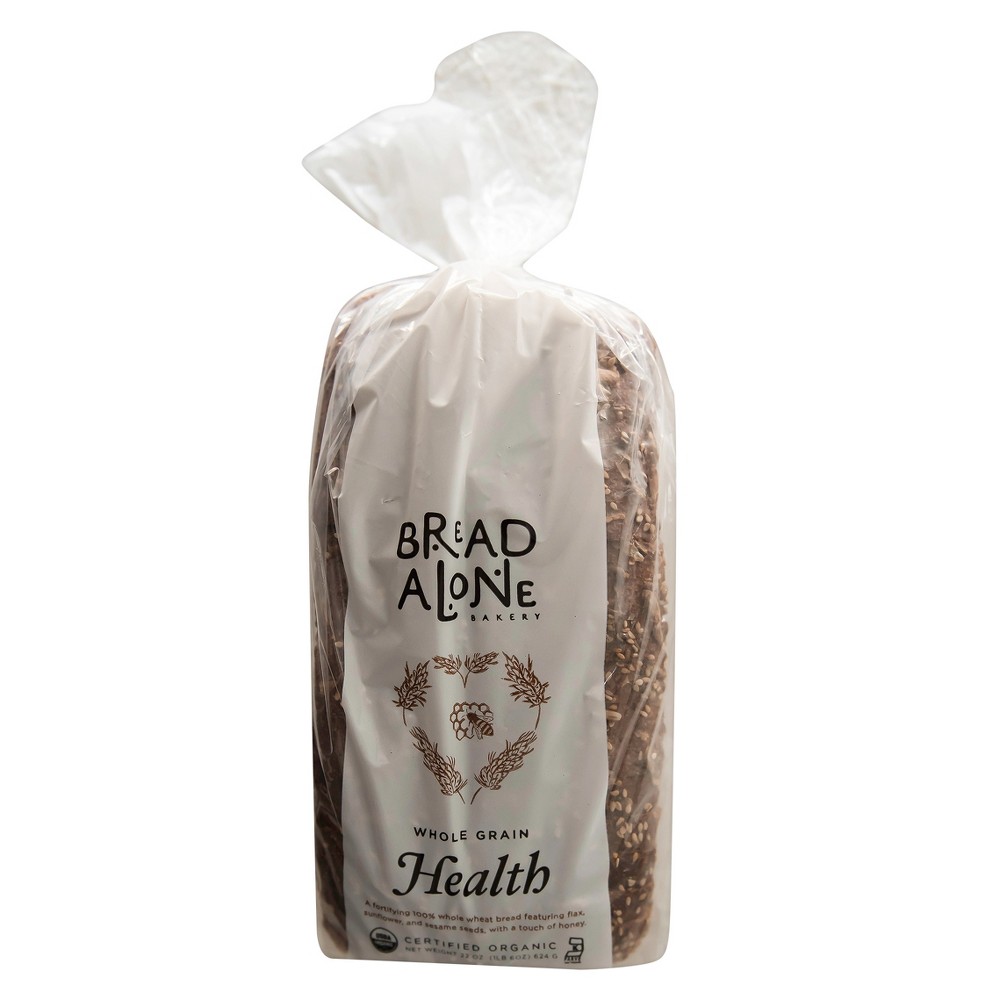
This bread is made with organic whole wheat flour and a variety of seeds, providing a rich source of fiber, healthy fats, and essential nutrients. The use of organic ingredients and the absence of harmful additives contribute to its healthfulness. Despite being processed, the clean ingredient list and minimal use of sweeteners like organic honey enhance its nutritional profile.
Key ingredients 9
Organic whole wheat flourVery Good
Organic whole wheat flour is a minimally processed ingredient rich in fiber and nutrients. Being organic, it is free from synthetic pesticides and fertilizers, enhancing its health profile. It provides essential vitamins and minerals, supporting digestive health and overall nutrition.
Benefits
Rich in dietary fiber, which aids in digestion and helps maintain healthy blood sugar levels. Provides essential nutrients like B vitamins and iron.
Organic whole wheat sourdoughVery Good
Organic whole wheat sourdough is a fermented product that enhances the bread's flavor and digestibility. The fermentation process can increase the availability of nutrients and improve gut health. Being organic, it avoids synthetic additives and preservatives.
Benefits
Fermentation can improve nutrient absorption and promote gut health. Provides a rich source of probiotics and enhances flavor.
Organic honeyGood
Organic honey is a natural sweetener with antioxidant properties. It is less processed than refined sugars and contains trace amounts of vitamins and minerals. Being organic, it is free from synthetic chemicals and additives.
Risks
Excessive consumption can contribute to high sugar intake and related health issues.
Benefits
Contains antioxidants and has a lower glycemic index than refined sugars, which may help in moderating blood sugar levels.
Organic sesame seedsGood
Organic sesame seeds are a good source of healthy fats, protein, and minerals like calcium and magnesium. They are minimally processed and provide essential nutrients. Being organic, they are free from synthetic pesticides and fertilizers.
Risks
Allergic reactions can occur in individuals sensitive to sesame seeds.
Benefits
Rich in healthy fats and minerals, supporting bone health and providing antioxidant benefits.
Organic sunflower seedsGood
Organic sunflower seeds are rich in healthy fats, protein, and vitamin E. They are minimally processed and provide essential nutrients. Being organic, they are free from synthetic pesticides and fertilizers.
Risks
Allergic reactions can occur in individuals sensitive to sunflower seeds.
Benefits
High in vitamin E and healthy fats, which support heart health and provide antioxidant benefits.
Organic flax seedsGood
Organic flax seeds are a rich source of omega-3 fatty acids, fiber, and lignans. They are minimally processed and provide essential nutrients. Being organic, they are free from synthetic pesticides and fertilizers.
Risks
Excessive consumption may lead to digestive discomfort due to high fiber content.
Benefits
Rich in omega-3 fatty acids and fiber, supporting heart health and digestive health.
Sea saltGood
Sea salt is a natural source of sodium and trace minerals. It is minimally processed compared to refined table salt. It enhances flavor and provides essential electrolytes.
Risks
Excessive sodium intake can lead to high blood pressure and related health issues.
Benefits
Provides essential electrolytes and trace minerals, supporting hydration and nerve function.
WaterNeutral
Water is a neutral ingredient used as a solvent and to provide moisture in the bread. It does not contribute any calories or nutrients but is essential for the dough formation. It plays a crucial role in the baking process by activating yeast and hydrating flour.
See more about Water →YeastNeutral
Yeast is a microorganism used to ferment and leaven bread. It contributes to the texture and flavor of the bread. It is a natural ingredient with no significant health concerns.
Benefits
Contributes to the leavening and flavor of bread, enhancing its texture and palatability.
Processing
Processed Foods
Get the full breakdown in the Scout appTake Scout shopping
Scan any product to see lab results, healthy alternatives, and your personalized analysis.
Download on theApp Store GET IT ONGoogle Play