
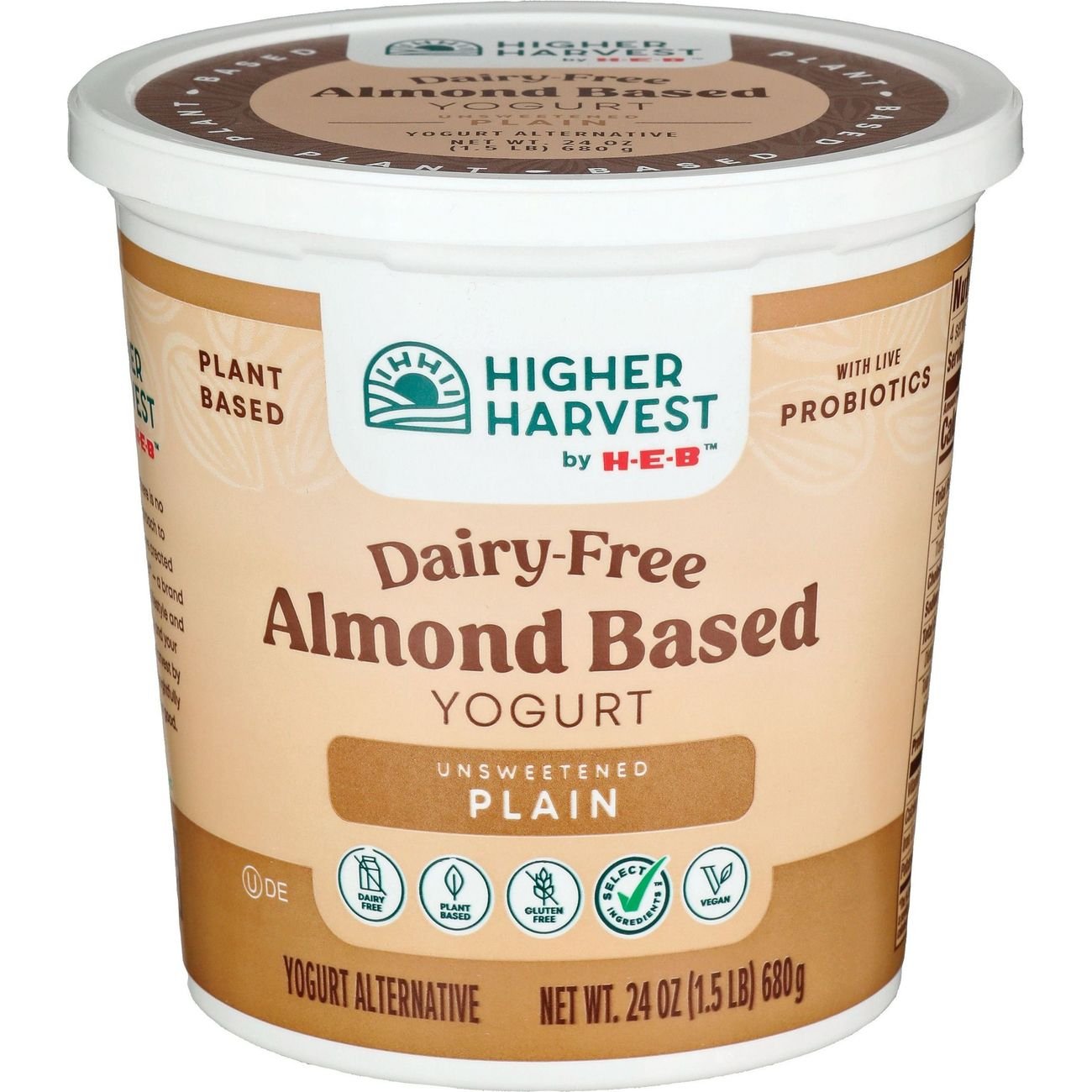

Dairy-Free Almond Based Yogurt
Analysis updated August 2026 · How Scout scores
At a glance
Summary
This dairy-free almond-based yogurt is ultra-processed, which limits its potential health score. While it contains beneficial ingredients like almondmilk, coconut cream, and active cultures, it also includes cane sugar and natural vanilla flavor, which are less desirable due to their refined nature and lack of nutritional benefits. The presence of these processed ingredients and the overall level of processing contribute to a moderate health rating.
Key ingredients 8
AlmondmilkGood
Almondmilk is a plant-based milk alternative that is low in calories and contains healthy fats. It is typically made from almonds and water, providing a dairy-free option for those with lactose intolerance. The presence of almonds offers some nutritional benefits, including vitamin E and healthy fats.
Risks
Potential allergen for individuals with nut allergies.
Benefits
Contains vitamin E and healthy fats that may support heart health and provide antioxidant benefits.
Coconut creamGood
Coconut cream is a rich source of healthy saturated fats, particularly medium-chain triglycerides (MCTs), which are easily metabolized for energy. It adds a creamy texture and flavor to dairy-free products. The fats in coconut cream may support heart health and provide quick energy.
Risks
High in calories and saturated fats, which may contribute to weight gain if consumed in excess.
Benefits
Provides MCTs that are quickly metabolized for energy and may support cognitive function.
Active culturesGood
Active cultures are beneficial bacteria used in fermentation to promote gut health. They help maintain a healthy balance of gut flora and can improve digestion. The presence of probiotics in yogurt products is associated with various health benefits.
Benefits
Supports gut health and digestion through the presence of probiotics.
Locust bean gumNeutral
Locust bean gum is a natural thickening agent derived from carob seeds. It is used to improve texture and stability in food products. While it is generally considered safe, it provides no significant nutritional value.
Risks
Excessive consumption may cause digestive discomfort in sensitive individuals.
PectinNeutral
Pectin is a natural polysaccharide used as a gelling agent in foods. It is derived from fruits and is commonly used to improve texture. Pectin is generally recognized as safe and may have some prebiotic effects.
Benefits
May have prebiotic effects that support gut health.
StarchNeutral
Starch is a carbohydrate used as a thickening agent in food products. It is derived from various plant sources and is used to improve texture and consistency. While it provides energy, it lacks significant nutritional benefits.
Benefits
Provides a source of carbohydrates for energy.
Cane sugarBad
Cane sugar is a refined sugar that contributes to increased calorie intake without providing essential nutrients. Excessive consumption of refined sugars is linked to various health issues, including obesity and metabolic disorders. It is often used to enhance sweetness in processed foods.
Risks
High intake of refined sugars can lead to weight gain, insulin resistance, and increased risk of chronic diseases.
Natural vanilla flavorBad
Natural vanilla flavor is a processed flavoring agent that lacks the nutritional benefits of whole vanilla beans. It is often derived from various sources and may contain additives. The term 'natural' can be misleading as it does not guarantee the absence of synthetic processing.
Risks
May contain additives and processing agents that are not disclosed, leading to potential allergen exposure.
Processing
Ultra-Processed Foods
Get the full breakdown in the Scout appTake Scout shopping
Scan any product to see lab results, healthy alternatives, and your personalized analysis.
Download on theApp Store GET IT ONGoogle Play