

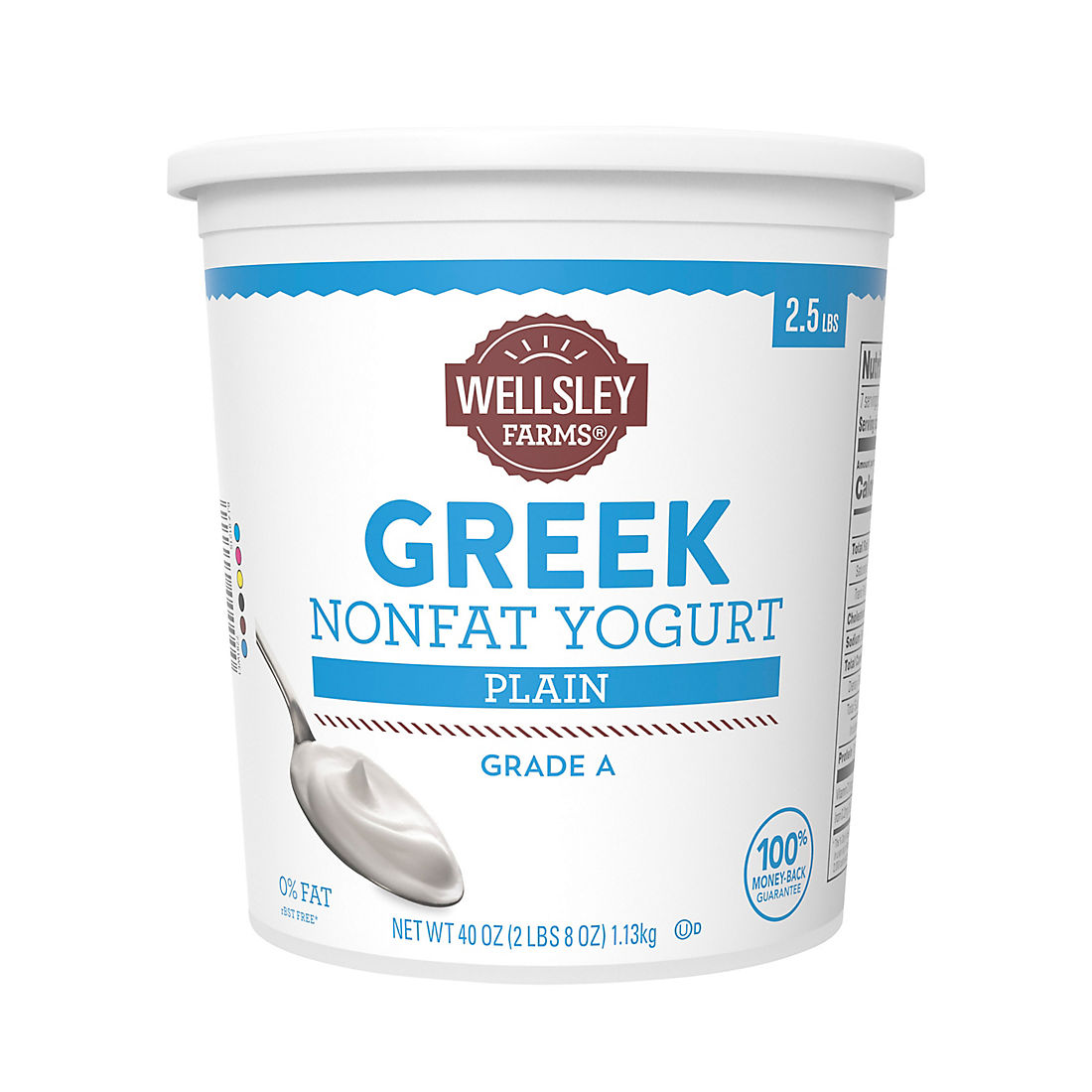


At a glance
Summary
This yogurt contains beneficial ingredients such as live and active cultures, which support gut health, and added vitamins that enhance its nutritional profile. However, it is heavily processed and includes added sugar, which contributes to empty calories and potential health issues. The presence of 'natural flavors' also adds to the lack of transparency in the ingredient list, impacting its overall healthiness.
Key ingredients 13
Live and active culturesVery Good
Live and active cultures are beneficial probiotics that support gut health. They aid in digestion and enhance the nutritional profile of yogurt. Regular consumption can improve gut flora balance and overall digestive health.
Benefits
Promotes healthy digestion and supports a balanced gut microbiome.
StrawberriesGood
Strawberries are a natural source of vitamins, fiber, and antioxidants. They contribute to the flavor and nutritional profile of the yogurt. The presence of whole fruit is beneficial compared to artificial flavorings.
Risks
Potential allergen for individuals sensitive to strawberries.
Benefits
Rich in vitamin C and antioxidants, supporting immune function and reducing oxidative stress.
Calcium citrateGood
Calcium citrate is a bioavailable form of calcium used to fortify foods. It supports bone health and is easily absorbed by the body. This form of calcium is beneficial for individuals with low stomach acid.
Benefits
Enhances calcium intake, supporting bone density and overall skeletal health.
Vitamins a palmitateGood
Vitamin A palmitate is a form of vitamin A used to fortify foods. It supports vision, immune function, and skin health. Fortification helps meet dietary needs for this essential nutrient.
Risks
Excessive intake can lead to hypervitaminosis A, but this is unlikely from fortified foods alone.
Benefits
Supports vision and immune health, contributing to overall well-being.
Vitamin d3Good
Vitamin D3 is essential for calcium absorption and bone health. It is often added to dairy products to enhance nutritional value. Adequate vitamin D levels support immune function and bone density.
Benefits
Enhances calcium absorption and supports bone health and immune function.
Cultured grade a nonfat milkNeutral
Nonfat milk is a source of protein and calcium but lacks the beneficial fats found in whole milk. It is pasteurized and cultured to create yogurt, which supports gut health. However, the removal of fat reduces its nutritional density.
Benefits
Provides protein and calcium, essential for bone health and muscle maintenance.
PectinNeutral
Pectin is a natural thickening agent derived from fruits. It is used to improve texture and stability in yogurt. As a soluble fiber, it may aid in digestion but is present in small amounts.
Benefits
May aid in digestion due to its soluble fiber content.
Locust bean gumNeutral
Locust bean gum is a natural thickener derived from carob seeds. It enhances texture and stability in processed foods. While generally safe, it provides minimal nutritional value.
Risks
Excessive consumption may cause digestive discomfort in sensitive individuals.
Fruit and vegetable juice concentrateNeutral
Used primarily for coloring, this concentrate provides a natural alternative to artificial dyes. It contributes minimal nutritional value due to its processing. The use of natural colorants is preferable to synthetic options.
Benefits
Provides a natural source of color without synthetic additives.
Citric acidNeutral
Citric acid is a natural preservative and flavor enhancer. It is commonly used to maintain freshness and acidity in foods. While generally safe, it is highly processed and provides no nutritional benefits.
Risks
Excessive consumption may cause dental erosion or gastrointestinal discomfort.
Benefits
Helps preserve freshness and enhances flavor without significant nutritional benefits.
Sodium citrateNeutral
Sodium citrate is used as an emulsifier and acidity regulator. It helps maintain the stability and texture of the yogurt. While it is safe for consumption, it offers no nutritional benefits.
Benefits
Contributes to product stability and texture without significant nutritional benefits.
SugarBad
Refined sugar is added for sweetness but contributes to empty calories and potential health issues. Excessive sugar intake is linked to obesity, diabetes, and heart disease. It lacks nutritional benefits and can lead to increased blood sugar levels.
Risks
High sugar consumption can lead to weight gain, insulin resistance, and increased risk of chronic diseases.
Natural flavorBad
Natural flavors are often used to enhance taste but lack transparency in their composition. They can be derived from various sources, including chemicals. The ambiguity of 'natural' can mask the presence of synthetic additives.
Risks
Potential allergen and may contain synthetic additives despite the 'natural' label.
Processing
Ultra-Processed Foods
Get the full breakdown in the Scout appTake Scout shopping
Scan any product to see lab results, healthy alternatives, and your personalized analysis.
Download on theApp Store GET IT ONGoogle Play