
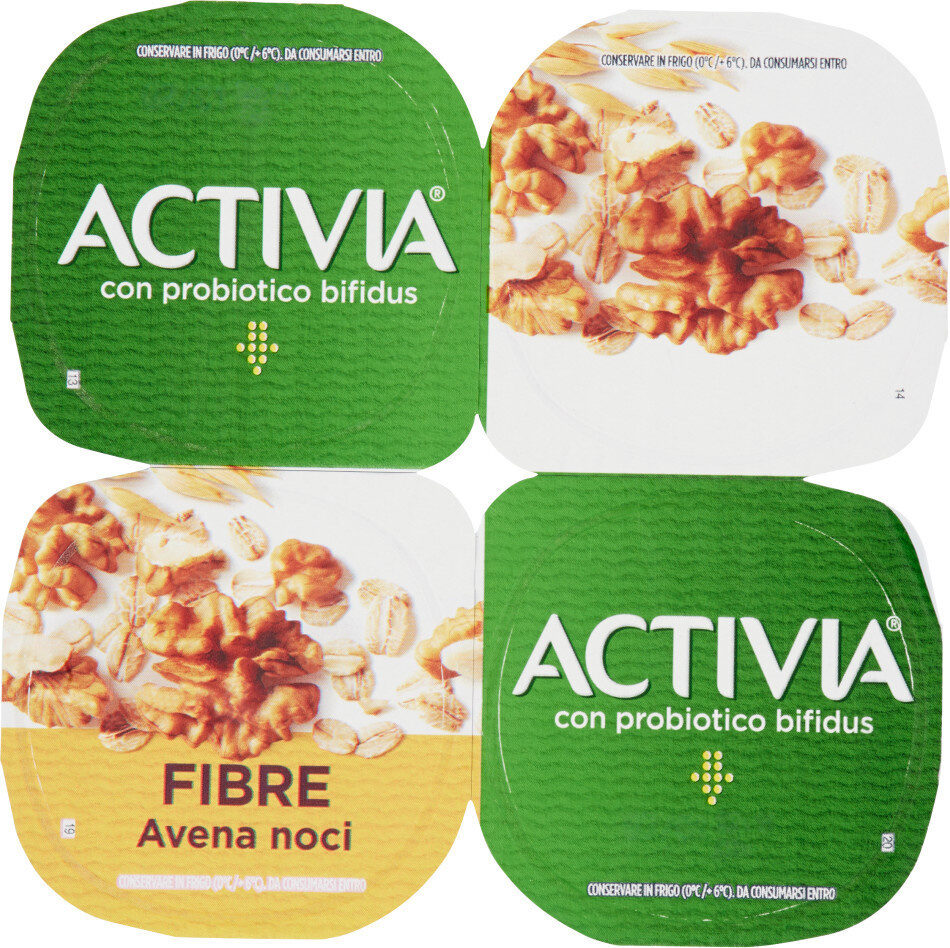


Activia con Probiotico Bifidus Fibre Avena e Noci
Analysis updated August 2026 · How Scout scores
At a glance
Summary
This yogurt contains beneficial probiotics that support gut health, but it is also ultra-processed, which limits its overall health score. The presence of fructose and carrageenan, which are linked to potential metabolic and digestive issues, further impacts its rating. Despite having some natural ingredients, the inclusion of natural flavors and the level of processing prevent it from scoring higher.
Key ingredients 12
Lactobacillus bulgaricusGood
This probiotic is beneficial for gut health and aids in digestion. It helps maintain a healthy balance of gut bacteria. Regular consumption can support the immune system.
Benefits
Promotes digestive health and supports a balanced gut microbiome.
Streptococcus thermophilusGood
A probiotic that supports digestion and lactose metabolism. It is commonly used in yogurt fermentation. It can enhance gut health and improve lactose digestion.
Benefits
Supports digestive health and aids in lactose digestion.
BifidobacteriumGood
This probiotic is known for its role in maintaining gut health. It helps reduce inflammation and supports the immune system. It is beneficial for overall digestive health.
Benefits
Supports a healthy digestive system and boosts immune function.
OligofructoseNeutral
Oligofructose is a prebiotic fiber that supports gut health. It is derived from natural sources like chicory root. It can promote the growth of beneficial gut bacteria.
Risks
May cause digestive discomfort in some individuals if consumed in large amounts.
Benefits
Supports the growth of beneficial gut bacteria and aids in digestion.
Modified starchNeutral
Modified starch is used as a thickener and stabilizer in processed foods. It is chemically altered to improve texture and shelf life. It is generally considered safe but offers no nutritional benefits.
Benefits
Improves texture and stability of food products.
Vanilla flavorNeutral
Vanilla flavor is used to impart a sweet, aromatic taste. It is often synthetically produced. While it enhances flavor, it does not provide nutritional benefits.
Benefits
Enhances the taste of food products.
Citric acidNeutral
Citric acid is a natural preservative and acidulant. It is used to enhance flavor and preserve freshness. It is generally recognized as safe but can cause irritation in sensitive individuals.
Risks
May cause irritation in sensitive individuals.
Benefits
Preserves freshness and enhances flavor.
Sodium citrateNeutral
Sodium citrate is used as an acidity regulator and emulsifier. It helps maintain the stability of food products. It is generally considered safe with no significant health concerns.
Benefits
Stabilizes and regulates acidity in food products.
FructoseBad
Fructose is a simple sugar that can contribute to metabolic issues when consumed in excess. It is often used as a sweetener in processed foods. High intake may lead to insulin resistance and liver fat accumulation.
Risks
Excessive consumption can lead to metabolic disorders and liver issues.
Benefits
Provides a quick source of energy but should be consumed in moderation.
CarrageenanBad
Carrageenan is a thickening agent derived from seaweed. It has been linked to digestive issues and inflammation in some studies. Its safety is debated, and it may cause gastrointestinal discomfort.
Risks
May cause digestive issues and inflammation in sensitive individuals.
Benefits
Provides texture and stability to food products.
Natural flavorsBad
Natural flavors are used to enhance taste but lack transparency in their composition. They can contain a variety of chemical compounds. The lack of disclosure can be concerning for consumers with allergies or sensitivities.
Risks
Potential allergen risk due to undisclosed ingredients.
Benefits
Enhances flavor profile of food products.
CaramelBad
Processed additive flagged under Scout's ingredient doctrine.
Risks
Excessive consumption may contribute to sugar intake.
Benefits
Adds color and flavor to food products.
Processing
Ultra-Processed Foods
Get the full breakdown in the Scout appTake Scout shopping
Scan any product to see lab results, healthy alternatives, and your personalized analysis.
Download on theApp Store GET IT ONGoogle Play