


At a glance
Summary
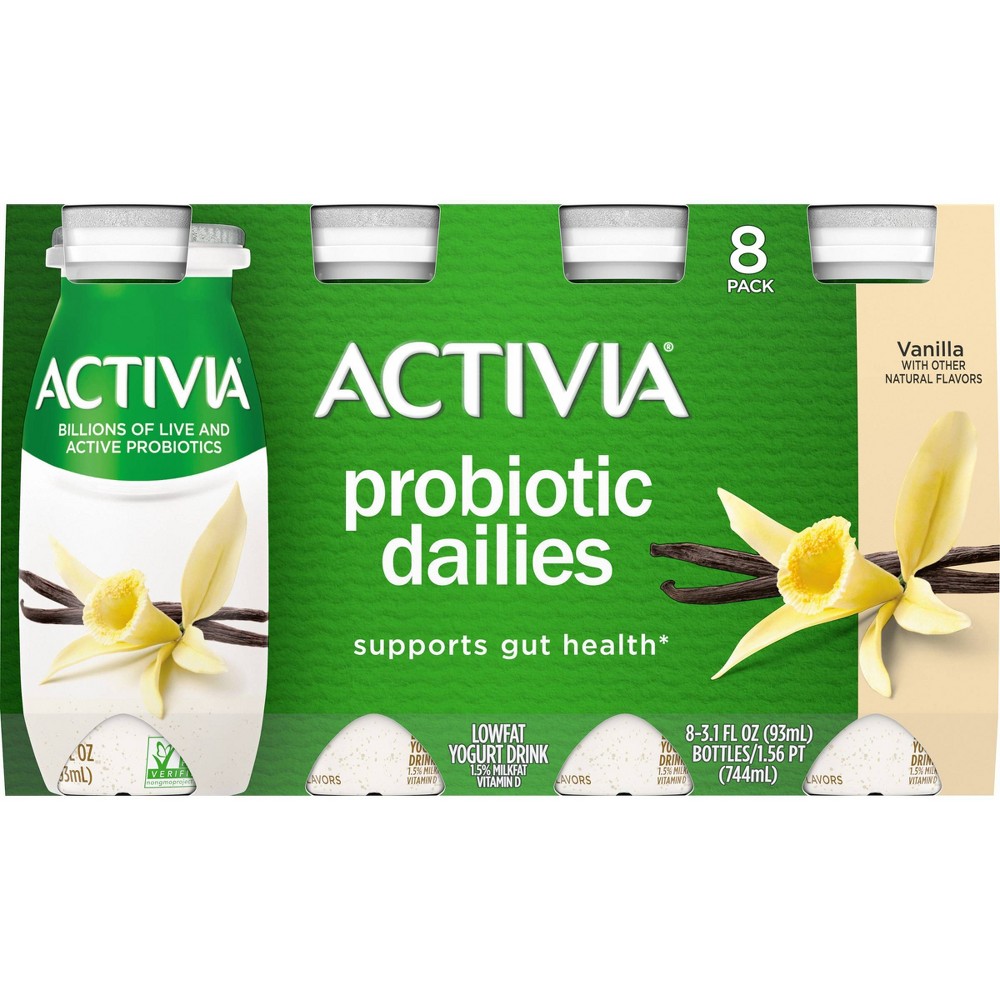
This low-fat yogurt drink is ultra-processed, which limits its potential health score. While it contains beneficial ingredients like cultured reduced fat milk and vitamin D3, it also includes refined cane sugar and natural flavors, which are less desirable. The presence of additives such as acacia gum and modified food starch further contributes to its processing level, impacting its overall healthiness.
Key ingredients 9
Cultured grade a reduced fat milkGood
Cultured reduced fat milk is a source of protein and probiotics, beneficial for gut health. It is minimally processed and retains essential nutrients. The fermentation process enhances digestibility and nutrient absorption.
Benefits
Provides protein and probiotics that support digestive health and nutrient absorption.
Vitamin D3Good
Vitamin D3 is an essential nutrient that supports bone health and immune function. It is often added to dairy products to enhance nutritional value. Adequate intake is important for maintaining healthy bones and immune response.
Benefits
Supports bone health and immune function, enhancing the nutritional profile of the product.
WaterNeutral
Water is a neutral ingredient used as a solvent and to adjust consistency. It does not contribute any calories or nutrients. It is essential for hydration but does not provide additional health benefits in this context.
Benefits
Essential for hydration but does not provide additional nutritional benefits in this product.
Acacia gumNeutral
Acacia gum is a natural thickening agent and stabilizer derived from the sap of the acacia tree. It is generally recognized as safe and used in small amounts. It may aid in digestion due to its fiber content.
Risks
Excessive consumption may cause digestive discomfort in sensitive individuals.
Benefits
May aid in digestion due to its fiber content.
Malic acidNeutral
Malic acid is a naturally occurring acid used to enhance flavor and acidity. It is generally recognized as safe and found in many fruits. It does not provide significant nutritional benefits but can improve taste.
Benefits
Enhances flavor and acidity without significant nutritional benefits.
Sodium citrateNeutral
Sodium citrate is used as an emulsifier and acidity regulator in foods. It is generally recognized as safe and helps maintain product stability. It does not provide significant nutritional benefits.
Benefits
Helps maintain product stability and emulsification.
Cane sugarBad
Cane sugar is a refined sugar that can contribute to increased calorie intake and potential weight gain. It lacks nutritional benefits and can lead to blood sugar spikes. Excessive consumption is linked to various health issues such as obesity and diabetes.
Risks
High intake may lead to obesity, insulin resistance, and increased risk of chronic diseases.
Modified food starchBad
Chemically modified starch additive.
Risks
May cause digestive issues in sensitive individuals when consumed in large amounts.
Natural flavorsBad
Natural flavors are used to enhance taste but can be derived from complex mixtures of chemicals. They lack transparency and may contain allergens or additives. The term 'natural' does not guarantee health benefits or safety.
Risks
Potential allergens or additives may be present, posing risks to sensitive individuals.
Processing
Ultra-Processed Foods
Get the full breakdown in the Scout appTake Scout shopping
Scan any product to see lab results, healthy alternatives, and your personalized analysis.
Download on theApp Store GET IT ONGoogle Play