


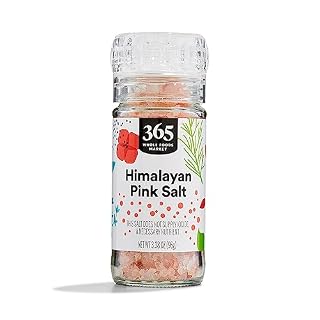


At a glance
Summary
This product contains beneficial ingredients like sea salt and garlic, which are minimally processed and provide some health benefits. However, the presence of refined sugar and natural flavors, which are processed additives with no nutritional value, detracts from its overall healthiness. The processing level is moderate, reflecting the inclusion of these additives.
Key ingredients 7
Sea SaltGood
Sea salt is a minimally processed source of sodium and trace minerals. It is harvested through evaporation of seawater, retaining natural minerals. Compared to refined salt, it offers additional micronutrients.
Risks
Excessive consumption of sodium can lead to hypertension and cardiovascular issues.
Benefits
Provides essential sodium and trace minerals like magnesium and calcium, which are beneficial for electrolyte balance.
GarlicGood
Garlic is a natural ingredient known for its potential health benefits, including antimicrobial properties. It contains allicin, which may support cardiovascular health. Fresh garlic is more beneficial than processed forms.
Risks
Excessive consumption may cause digestive discomfort in some individuals.
Benefits
May help reduce blood pressure and cholesterol levels, and has antioxidant properties.
ParsleyGood
Beneficial ingredient — whole-food or functional value in this product class.
Benefits
Contains small amounts of vitamins A, C, and K, and antioxidants that may support overall health.
Silicon DioxideNeutral
Silicon dioxide is used as an anti-caking agent to prevent clumping in powdered products. It is a naturally occurring compound found in the earth's crust. It is generally recognized as safe by food safety authorities.
See more about Silicon Dioxide →SaltNeutral
Refined salt is a common seasoning that provides sodium, essential for various bodily functions. It is typically stripped of trace minerals during processing. Unlike sea salt, it lacks additional micronutrients.
Risks
High sodium intake is associated with increased risk of hypertension and cardiovascular diseases.
Benefits
Essential for maintaining fluid balance and nerve function.
SugarBad
Refined sugar is a high-calorie sweetener with no essential nutrients. It is linked to various health issues when consumed in excess, such as obesity and metabolic syndrome. It is often added to enhance flavor but offers no health benefits.
Risks
Excessive sugar intake can lead to weight gain, insulin resistance, and increased risk of type 2 diabetes.
Natural FlavorBad
Natural flavors are additives used to enhance taste, derived from plant or animal sources. The exact composition is often undisclosed, leading to potential allergen concerns. They are considered processed and lack nutritional benefits.
Risks
Potential allergen risk due to undisclosed sources and processing methods.
Processing
Processed Culinary Ingredients
Get the full breakdown in the Scout appTake Scout shopping
Scan any product to see lab results, healthy alternatives, and your personalized analysis.
Download on theApp Store GET IT ONGoogle PlayAmazon pricing & content
Amazon price as of . Product prices and availability are accurate as of the date/time indicated and are subject to change. Any price and availability information displayed on Amazon.com at the time of purchase will apply to the purchase of this product.
CERTAIN CONTENT THAT APPEARS ON THIS SITE COMES FROM AMAZON. THIS CONTENT IS PROVIDED “AS IS” AND IS SUBJECT TO CHANGE OR REMOVAL AT ANY TIME.