



At a glance
Summary
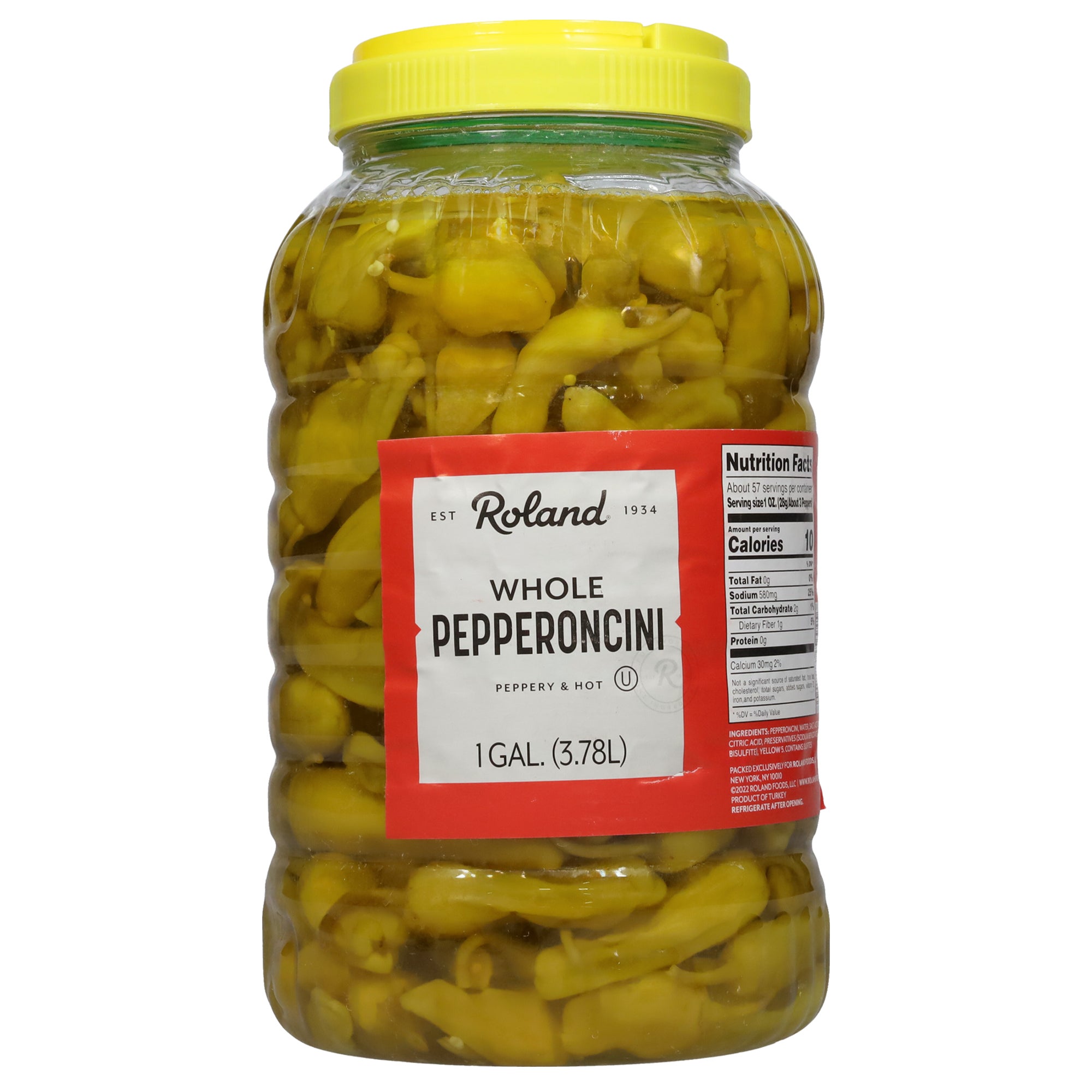
This product contains beneficial ingredients like pepperoncini, which are minimally processed and provide vitamins and antioxidants. However, the presence of synthetic preservatives such as sodium benzoate and sodium metabisulfite raises health concerns, particularly for sensitive individuals. The processing level and use of these additives limit the product's overall healthiness.
Key ingredients 8
PepperonciniGood
Pepperoncini are a type of mild chili pepper that provides a source of vitamins and antioxidants. They are minimally processed and retain most of their natural nutrients. Their inclusion in the diet can add flavor without significant calories.
Benefits
Rich in vitamins A and C, which support immune function and skin health. Contains antioxidants that may help reduce inflammation.
TurmericGood
Beneficial ingredient — whole-food or functional value in this product class.
Benefits
Contains curcumin, which has anti-inflammatory and antioxidant properties.
WaterNeutral
Water is used as a solvent and carrier in food products. It is essential for hydration but does not provide any nutritional value. Its presence in the product is standard and expected.
See more about Water →SaltNeutral
Salt is used for flavor enhancement and preservation in food products. It is a common culinary ingredient but can contribute to high sodium intake if consumed excessively. The salt used here is refined and lacks trace minerals found in unrefined salts.
Risks
Excessive consumption can lead to high blood pressure and cardiovascular issues.
Benefits
Enhances flavor and acts as a preservative in food products.
VinegarNeutral
Vinegar is used for its acidic properties, which help in preservation and flavor enhancement. It is a natural product derived from fermentation. Its acidity can aid in digestion and preservation.
Benefits
May aid in digestion and has antimicrobial properties that help preserve food.
Citric AcidNeutral
Citric acid is a natural preservative and flavor enhancer commonly used in food products. It is derived from citrus fruits or produced via fermentation. It helps maintain the product's acidity and freshness.
Risks
Excessive consumption may cause tooth enamel erosion.
Benefits
Acts as a preservative and can enhance the flavor profile of foods.
Sodium BenzoateBad
Sodium benzoate is a synthetic preservative used to prevent spoilage. It is effective in acidic foods but can form benzene, a carcinogen, when combined with vitamin C. Its use is regulated due to potential health concerns.
Risks
May form benzene, a potential carcinogen, when combined with vitamin C.
Benefits
Extends shelf life by preventing microbial growth.
Sodium MetabisulfiteBad
Sodium metabisulfite is a preservative that prevents oxidation and spoilage. It can cause allergic reactions in sensitive individuals, particularly those with asthma. Its use is common in preserving color and freshness in foods.
Risks
Can cause allergic reactions, especially in asthmatic individuals.
Benefits
Helps maintain color and freshness by preventing oxidation.
Processing
Processed Foods
Get the full breakdown in the Scout appTake Scout shopping
Scan any product to see lab results, healthy alternatives, and your personalized analysis.
Download on theApp Store GET IT ONGoogle Play