


At a glance
Summary
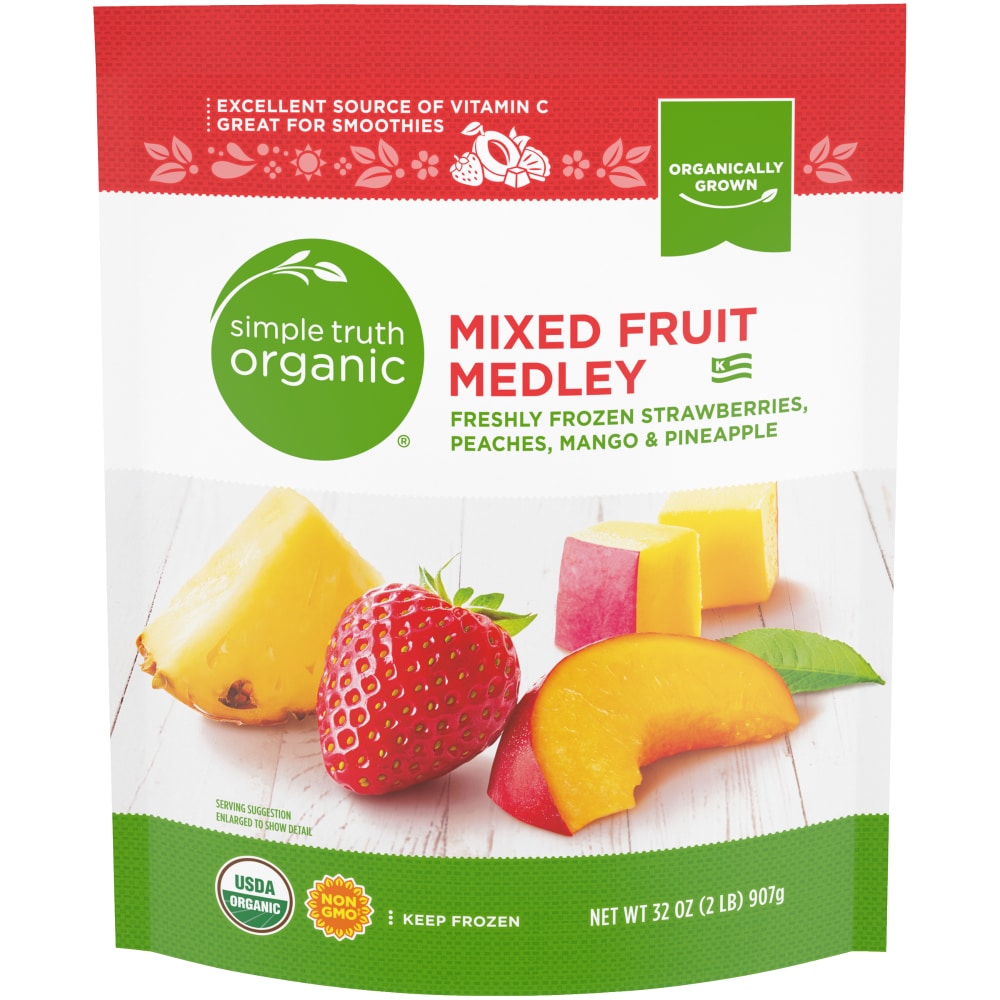
This mixed fruit product consists of minimally processed whole fruits like strawberries, peaches, mango, pineapple, and grapes, which are rich in vitamins and antioxidants. The use of ascorbic and citric acid is minimal and primarily for color retention, while the vague 'naturally flavored' label slightly detracts from transparency. Overall, the product maintains a high nutritional value with minimal processing.
Key ingredients 8
StrawberriesVery Good
Strawberries are rich in antioxidants and vitamin C, supporting immune health. They are minimally processed and retain their natural nutrients. Organic strawberries are preferred to avoid pesticide residues.
Benefits
High in vitamin C and antioxidants, which can help reduce inflammation and support heart health.
PeachesVery Good
Peaches provide vitamins A and C, contributing to skin health and immune function. They are consumed in their natural form, preserving their nutritional value. Organic peaches are recommended to minimize pesticide exposure.
Benefits
Rich in vitamins A and C, which are beneficial for skin health and immune support.
MangoVery Good
Mangoes are a good source of vitamins A and C, promoting eye health and immune function. They are consumed fresh, maintaining their nutrient profile. Choosing organic mangoes can reduce pesticide intake.
Benefits
Provides essential vitamins A and C, supporting eye health and immune function.
PineappleVery Good
Pineapple is rich in vitamin C and bromelain, aiding digestion and immune health. It is minimally processed, retaining its natural enzymes and nutrients. Organic pineapple is preferred to avoid pesticide residues.
Benefits
Contains bromelain, which may aid digestion and reduce inflammation.
Red Seedless GrapesVery Good
Red seedless grapes are high in antioxidants, particularly resveratrol, which supports heart health. They are consumed fresh, preserving their beneficial compounds. Organic grapes are recommended to minimize pesticide exposure.
Benefits
Rich in resveratrol, an antioxidant that supports cardiovascular health.
Ascorbic AcidGood
Vitamin C — beneficial even when serving as a preservative.
Benefits
Helps preserve color and freshness in food products.
Citric AcidNeutral
Citric acid is a natural preservative and flavor enhancer found in citrus fruits. It is used to maintain freshness and enhance flavor in food products. While it is generally safe, excessive consumption may cause digestive discomfort in sensitive individuals.
Risks
Excessive consumption may cause digestive discomfort in sensitive individuals.
Benefits
Acts as a natural preservative and enhances flavor in food products.
Naturally FlavoredBad
The term 'naturally flavored' is vague and can include a wide range of substances derived from natural sources. It lacks transparency, making it difficult to assess the quality and health impact. Consumers should be cautious as it may contain additives not explicitly listed.
Risks
Lack of transparency can lead to potential exposure to unwanted additives or allergens.
Processing
Unprocessed or Minimally Processed Foods
Get the full breakdown in the Scout appTake Scout shopping
Scan any product to see lab results, healthy alternatives, and your personalized analysis.
Download on theApp Store GET IT ONGoogle Play