


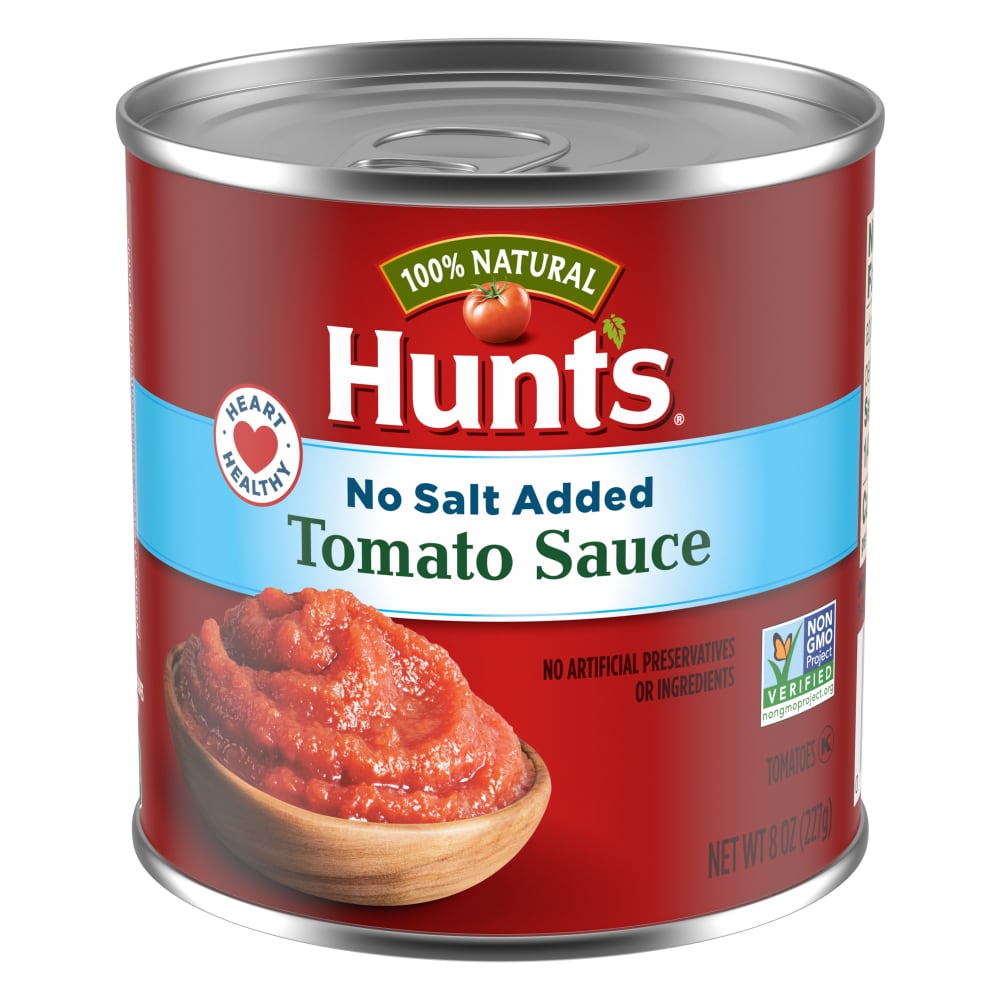


Tomato sauce
Analysis updated September 2026 · How Scout scores
At a glance
Summary
This tomato sauce is made with organic tomato puree and sea salt, both of which are minimally processed and provide beneficial nutrients like lycopene and trace minerals. The use of organic ingredients ensures the absence of synthetic pesticides and GMOs, contributing to a cleaner label. The presence of citric acid is a common and safe additive, and the overall ingredient list is short and straightforward, reflecting a moderate level of processing.
Key ingredients 4
Organic tomato pureeGood
Organic tomato puree is a minimally processed ingredient rich in vitamins and antioxidants. The organic certification ensures it is free from synthetic pesticides and GMOs. It provides a natural source of lycopene, which is beneficial for heart health.
Benefits
Rich in lycopene, which may reduce the risk of certain chronic diseases. Provides vitamins A and C, supporting immune function and skin health.
Sea saltGood
Sea salt is a natural source of sodium and trace minerals, offering a healthier alternative to refined table salt. It is minimally processed, retaining its natural mineral content. The presence of trace minerals can support electrolyte balance.
Risks
Excessive consumption of sodium can lead to high blood pressure and cardiovascular issues.
Benefits
Provides essential minerals that support hydration and nerve function. Enhances flavor without the need for artificial additives.
Organic red pepperNeutral
Organic red pepper is a whole food ingredient that adds flavor and nutrients to the sauce. Being organic, it is free from synthetic pesticides and GMOs. It contributes vitamin C and antioxidants to the diet.
Benefits
Contains vitamin C and antioxidants that support immune health and reduce oxidative stress.
Citric acidNeutral
Citric acid is a common food additive used to enhance flavor and preserve freshness. It is naturally found in citrus fruits and is generally recognized as safe. It helps maintain the acidity of the product, preventing spoilage.
Risks
Excessive consumption may cause digestive discomfort in sensitive individuals.
Benefits
Acts as a natural preservative and flavor enhancer, extending the shelf life of the product.
Processing
Processed Culinary Ingredients
Get the full breakdown in the Scout appTake Scout shopping
Scan any product to see lab results, healthy alternatives, and your personalized analysis.
Download on theApp Store GET IT ONGoogle PlayAmazon pricing & content
Amazon price as of . Product prices and availability are accurate as of the date/time indicated and are subject to change. Any price and availability information displayed on Amazon.com at the time of purchase will apply to the purchase of this product.
CERTAIN CONTENT THAT APPEARS ON THIS SITE COMES FROM AMAZON. THIS CONTENT IS PROVIDED “AS IS” AND IS SUBJECT TO CHANGE OR REMOVAL AT ANY TIME.