


At a glance
Summary
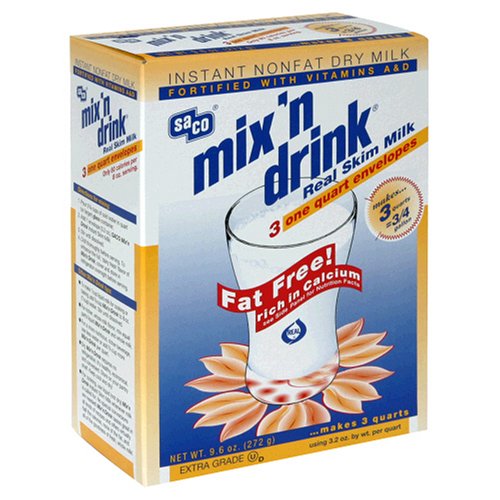
This fat-free skim milk is processed and fortified with vitamins A and D3, which are beneficial for maintaining nutritional balance and supporting bone health. However, it is a processed product, which limits its score potential. The ingredient list is clean with no harmful additives, but the processing level prevents it from reaching the highest scores typical of whole, unprocessed dairy products.
Key ingredients 3
Vitamin D3Good
Vitamin D3 is added to milk to aid calcium absorption and support bone health. It is the most bioavailable form of vitamin D, often derived from lanolin or fish oil. Fortification helps prevent deficiencies, especially in populations with limited sun exposure.
Benefits
Supports calcium absorption and bone health, reducing the risk of osteoporosis.
Nonfat dry milkNeutral
Nonfat dry milk is a dehydrated form of skim milk, providing protein and calcium without fat. It is processed to remove water, which extends shelf life and makes it convenient for storage. While it lacks the fat-soluble vitamins found in whole milk, it is a useful source of dairy nutrients.
Benefits
Provides a source of protein and calcium, essential for bone health and muscle function.
Vitamin A palmitateNeutral
Standard formulation ingredient — neither beneficial nor harmful at typical use.
Risks
Excessive intake of vitamin A can lead to toxicity, but this is unlikely from fortified foods alone.
Benefits
Essential for maintaining healthy vision, skin, and immune system function.
Processing
Processed Foods
Get the full breakdown in the Scout appTake Scout shopping
Scan any product to see lab results, healthy alternatives, and your personalized analysis.
Download on theApp Store GET IT ONGoogle Play