


At a glance
Summary
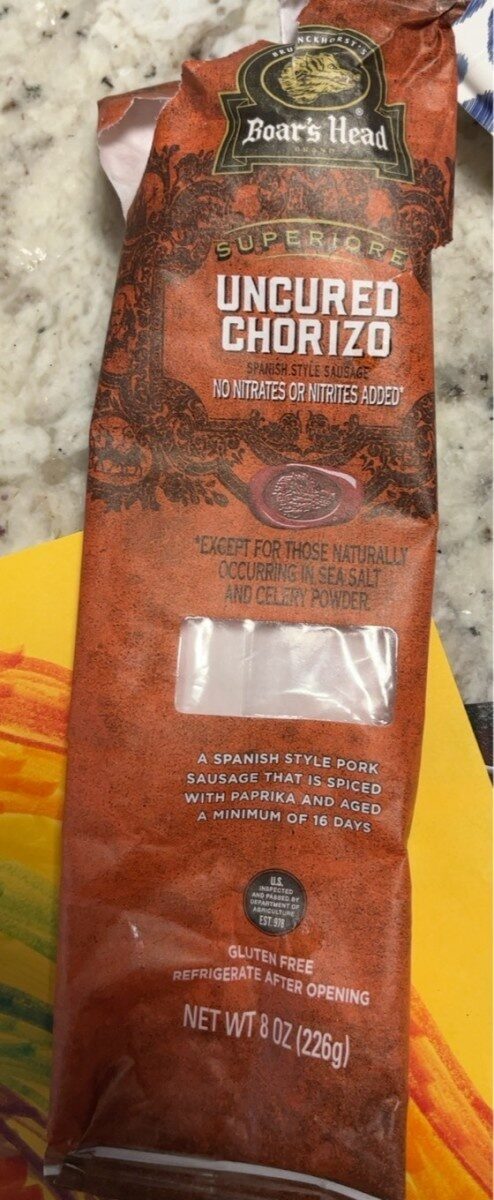
Boar's Head uncured chorizo is a processed food with a relatively clean ingredient list, featuring pork, sea salt, and spices without artificial additives or seed oils. The presence of beneficial ingredients like paprika and garlic adds nutritional value, while the use of lactic acid as a starter culture is minimal. However, its processing level limits the score, despite the absence of major harmful ingredients.
Key ingredients 9
PorkGood
Pork is a high-quality source of protein and essential nutrients. It provides a rich amino acid profile beneficial for muscle maintenance and repair. When sourced responsibly, it can be part of a balanced diet.
Risks
Potential risks include high saturated fat content and the possibility of contamination if not cooked properly.
Benefits
Rich in protein and essential vitamins such as B12, which supports energy metabolism and neurological function.
Sea saltGood
Sea salt is a minimally processed source of sodium and trace minerals. It is often preferred over refined salt due to its natural mineral content. It enhances flavor without the need for artificial additives.
Risks
Excessive consumption can lead to high blood pressure and related health issues.
Benefits
Provides essential sodium and trace minerals that are important for maintaining electrolyte balance and hydration.
PaprikaGood
Paprika is a spice made from ground peppers, adding flavor and color to dishes. It contains antioxidants such as vitamin A and capsaicin. These compounds may have anti-inflammatory and antioxidant effects.
Benefits
Rich in antioxidants and vitamins that support immune function and may reduce inflammation.
SpicesGood
Whole-food seasonings, antioxidant-bearing.
Risks
Potential for allergic reactions in sensitive individuals.
Benefits
May offer antioxidant and anti-inflammatory properties depending on the specific spices used.
GarlicGood
Garlic is known for its potential health benefits, including antimicrobial and cardiovascular effects. It contains allicin, which may help reduce cholesterol levels and improve heart health. It is a flavorful addition to many dishes.
Benefits
May support heart health and immune function due to its bioactive compounds.
Celery powderNeutral
Celery powder is often used as a natural preservative due to its nitrate content. It can help in preserving the color and flavor of cured meats. While it is a natural ingredient, its nitrate content can be a concern for some consumers.
Risks
Nitrates can convert to nitrites, which in high amounts may pose health risks.
Benefits
Acts as a natural preservative and can enhance flavor without synthetic additives.
Lactic acidNeutral
Lactic acid is used as a preservative and flavoring agent in foods. It is naturally occurring and generally recognized as safe. It helps maintain the acidity and freshness of food products.
Benefits
Helps preserve food and maintain its flavor without synthetic additives.
Starter cultureNeutral
Starter cultures are used in fermentation to develop flavor and preserve food. They are essential in the production of fermented foods like sausages and cheeses. The specific health benefits depend on the strains used.
Benefits
Contributes to the development of flavor and preservation in fermented foods.
SugarBad
Refined added sugar.
Risks
High intake is associated with increased risk of metabolic disorders and dental cavities.
Benefits
Provides a quick source of energy but should be consumed in moderation.
Processing
Processed Foods
Get the full breakdown in the Scout appTake Scout shopping
Scan any product to see lab results, healthy alternatives, and your personalized analysis.
Download on theApp Store GET IT ONGoogle Play