


At a glance
Summary
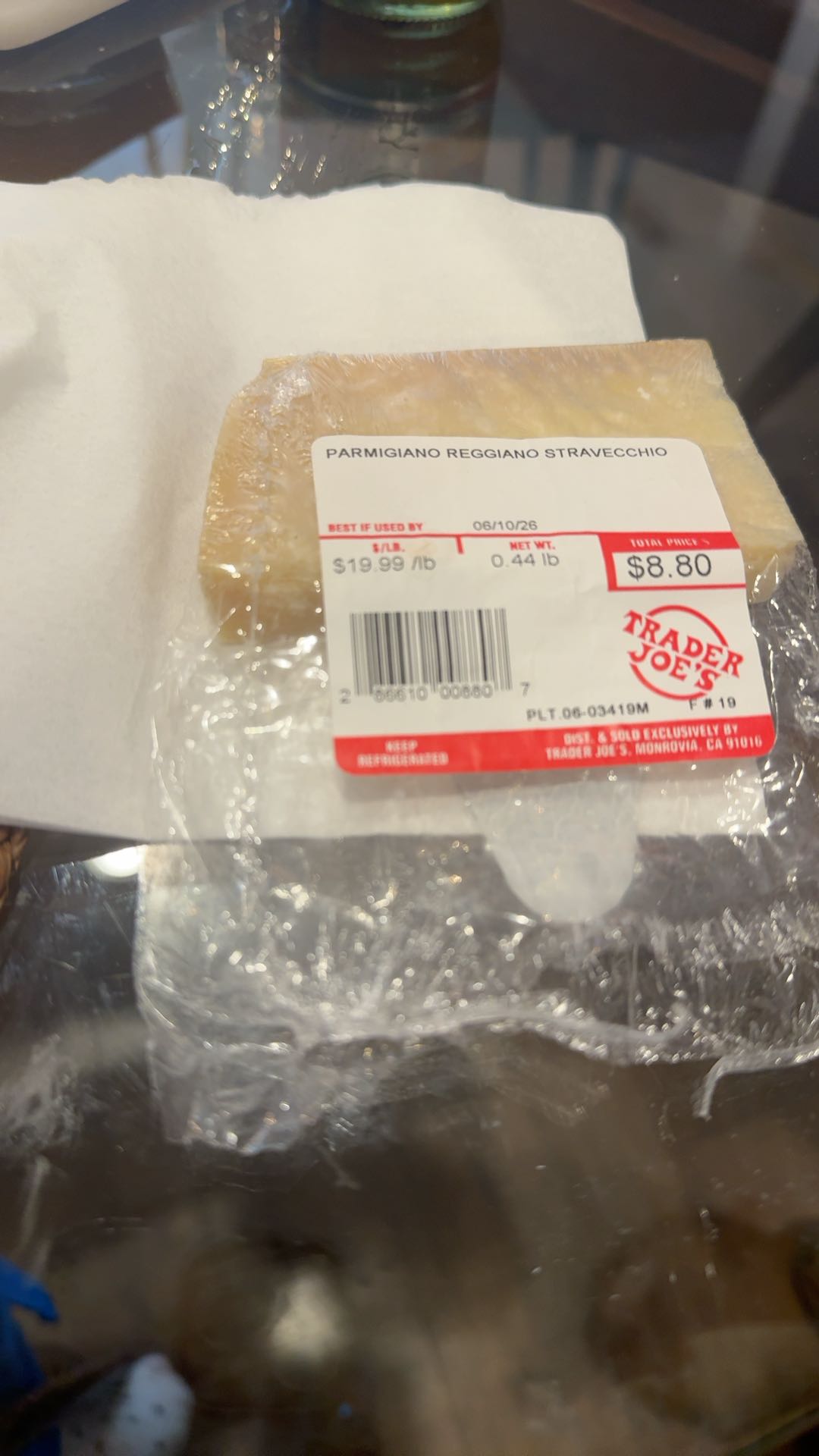
This fresh cheese is made from pasteurized milk, salt, and enzymes, which are simple and traditional ingredients for cheese production. Despite being processed, it lacks harmful additives or seed oils, making it a cleaner option within its category. The minimal ingredient list and absence of artificial substances contribute positively to its rating, although the processing level imposes a cap on the score.
Key ingredients 3
Pasteurized grade A milkNeutral
Pasteurized grade A milk is a standard dairy ingredient used in cheese production. It undergoes pasteurization to eliminate harmful bacteria, ensuring safety for consumption. While it provides essential nutrients like calcium and protein, it lacks the additional benefits of organic or grass-fed milk.
Benefits
Provides essential nutrients such as calcium and protein, which are important for bone health and muscle maintenance.
SaltNeutral
Salt is used in cheese making to enhance flavor and act as a preservative. It is a refined ingredient without the trace minerals found in unrefined salts. While necessary for flavor, excessive consumption can contribute to high blood pressure.
Risks
Excessive salt intake can lead to increased blood pressure and cardiovascular issues.
Benefits
Enhances flavor and acts as a preservative in cheese, contributing to its taste and shelf life.
EnzymesNeutral
Enzymes are used in cheese production to aid in the coagulation of milk. They are essential for transforming milk into cheese but do not provide additional nutritional benefits. The type of enzyme used can vary, but they are generally safe and necessary for cheese making.
Benefits
Essential for the cheese-making process, helping to coagulate milk and develop the cheese texture.
Processing
Processed Foods
Get the full breakdown in the Scout appTake Scout shopping
Scan any product to see lab results, healthy alternatives, and your personalized analysis.
Download on theApp Store GET IT ONGoogle Play