
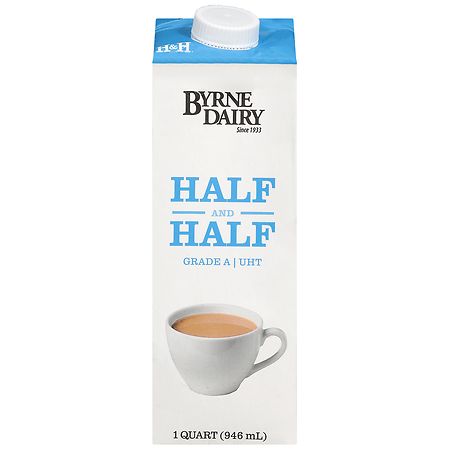



Byrne Dairy Half and Half - 1.0 qt
Analysis updated September 2026 · How Scout scores
At a glance
Summary
Byrne Dairy Half and Half contains milk and cream, which are beneficial ingredients providing high-quality protein and healthy fats. However, the presence of carrageenan, a controversial additive linked to potential inflammatory effects, impacts its overall healthiness. The product is processed, which limits its score despite the relatively clean ingredient list.
Key ingredients 5
MilkGood
Milk is a natural source of high-quality protein and essential nutrients like calcium and vitamin D. It is minimally processed and provides a balanced profile of macronutrients. The presence of lactose may be a concern for those with lactose intolerance.
Risks
Lactose intolerance can cause digestive issues for some individuals.
Benefits
Provides essential nutrients such as calcium and vitamin D, supporting bone health and overall nutrition.
CreamGood
Cream is a rich source of healthy fats and fat-soluble vitamins. It is minimally processed and adds a creamy texture to foods. The high-fat content can be beneficial for those needing extra calories or following a high-fat diet.
Risks
High in saturated fat, which may be a concern for heart health if consumed in excess.
Benefits
Rich in fat-soluble vitamins and provides a source of energy and flavor.
Disodium PhosphateNeutral
Disodium phosphate is used as an emulsifier and stabilizer in food products. It helps maintain texture and consistency in dairy products. It is generally recognized as safe when used in small amounts.
Risks
Excessive consumption may lead to imbalances in phosphate levels, affecting kidney function.
Sodium CitrateNeutral
Sodium citrate acts as a buffering agent and emulsifier in food products. It helps maintain the pH balance and improves texture. It is widely used in the food industry and considered safe in moderate amounts.
Risks
High intake may lead to an imbalance in electrolytes, but this is unlikely at typical consumption levels.
CarrageenanBad
Carrageenan is used as a thickener and stabilizer in various food products. It is derived from red seaweed but has been linked to potential inflammatory effects in the digestive system. Its use is controversial due to these potential health concerns.
Risks
May cause digestive inflammation and discomfort in sensitive individuals.
Processing
Processed Foods
Get the full breakdown in the Scout appTake Scout shopping
Scan any product to see lab results, healthy alternatives, and your personalized analysis.
Download on theApp Store GET IT ONGoogle Play