
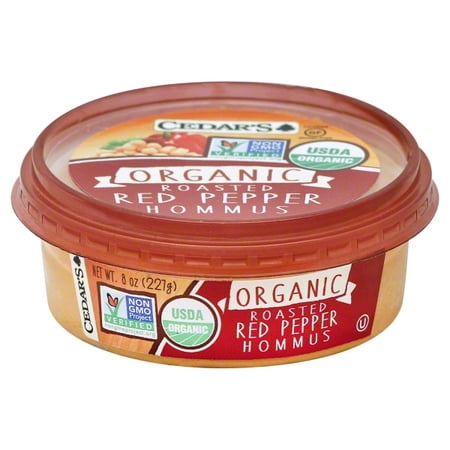


Cedar's Organic Roasted Red Pepper Hommus, 8 oz
Analysis updated August 2026 · How Scout scores
At a glance
Summary
This hummus contains beneficial ingredients like organic chickpeas, roasted red peppers, and tahini, which provide protein, fiber, and healthy fats. However, the presence of a vague 'blend of oils' raises concerns, as it may include highly processed seed oils that can contribute to inflammation. The product's processing level also limits its score, despite the organic certification of most ingredients.
Key ingredients 8
Organic Steamed ChickpeasGood
Chickpeas are a nutritious legume rich in fiber and plant-based protein, supporting digestive health and sustained energy.
Organic Roasted Red PeppersGood
Red peppers are a good source of vitamins and antioxidants, contributing to overall immune support and skin health.
Organic Sesame TahiniGood
Tahini provides healthy fats, protein, and minerals, making it a nutritious addition to the hummus.
Sea SaltGood
Sea salt provides essential minerals and enhances flavor, encouraging moderate salt intake without added chemicals.
See more about Sea Salt →WaterNeutral
Water is essential for hydration and forms the base of many food products without adding calories or nutrients that impact health negatively or positively.
See more about Water →Citric AcidNeutral
Citric acid is used as a preservative and flavor enhancer, generally recognized as safe and common in food products.
See more about Citric Acid →Blend of OilsBad
The blend of oils may include less healthy fats, which can contribute to increased calorie intake and potential health concerns if consumed excessively.
Organic SugarBad
Organic sugar adds sweetness but can contribute to excess calorie consumption and impact blood sugar levels if consumed in large amounts.
See more about Organic Sugar →Processing
Processed Foods
Get the full breakdown in the Scout appTake Scout shopping
Scan any product to see lab results, healthy alternatives, and your personalized analysis.
Download on theApp Store GET IT ONGoogle PlayAmazon pricing & content
CERTAIN CONTENT THAT APPEARS ON THIS SITE COMES FROM AMAZON. THIS CONTENT IS PROVIDED “AS IS” AND IS SUBJECT TO CHANGE OR REMOVAL AT ANY TIME.