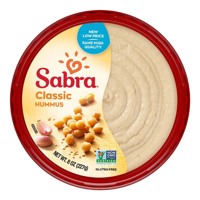
Sabra Supremely Spicy Hummus

At a glance
Summary
This hummus contains beneficial ingredients like chickpeas, tahini, and garlic, which provide protein, fiber, and healthy fats. However, the presence of soybean oil, a highly processed seed oil, detracts from its nutritional quality due to its high omega-6 content. Additionally, the use of potassium sorbate as a preservative indicates a higher level of processing, which further impacts the overall healthiness of the product.
Key ingredients 10
Cooked ChickpeasGood
Chickpeas are a good source of plant-based protein and fiber. They provide essential nutrients like iron, phosphorus, and folate. Minimal processing retains their nutritional benefits.
Benefits
Rich in protein and fiber, supporting digestive health and providing sustained energy.
TahiniGood
Tahini is made from ground sesame seeds and is rich in healthy fats and minerals. It contains calcium, magnesium, and iron, supporting bone health. The natural oils in sesame seeds provide anti-inflammatory benefits.
Risks
Potential allergen for individuals with sesame allergies.
Benefits
Provides healthy fats and essential minerals, supporting heart and bone health.
GarlicGood
Garlic is known for its potential health benefits, including antimicrobial and anti-inflammatory properties. It contains allicin, which may support cardiovascular health. Fresh garlic retains more beneficial compounds compared to processed forms.
Risks
May cause digestive discomfort in some individuals when consumed in large amounts.
Benefits
Supports immune function and may contribute to heart health through its active compounds.
SaltNeutral
Salt is used as a seasoning and preservative in foods. It provides sodium, an essential electrolyte for bodily functions. Excessive consumption can lead to health issues such as hypertension.
Risks
Excessive intake may contribute to high blood pressure and cardiovascular issues.
Benefits
Provides essential sodium for maintaining fluid balance and nerve function.
Red Bell PepperNeutral
Red bell peppers are a source of vitamins A and C, contributing to immune health. They are low in calories and provide dietary fiber. Minimal processing retains their nutritional value.
Benefits
Rich in vitamins and antioxidants, supporting immune function and skin health.
Citric AcidNeutral
Citric acid is a natural preservative and flavor enhancer. It is commonly used to maintain freshness and add a tangy taste. It is generally recognized as safe when used in food products.
Benefits
Helps preserve food and enhance flavor without significant nutritional impact.
Crushed Red Chili PepperNeutral
Crushed red chili peppers add heat and flavor to foods. They contain capsaicin, which may have metabolism-boosting properties. Minimal processing retains their natural compounds.
Risks
May cause digestive discomfort or irritation in sensitive individuals.
Benefits
Adds flavor and may support metabolism through capsaicin content.
SpicesNeutral
Spices are used to enhance flavor and may provide various health benefits depending on the specific spice. They are generally low in calories and can add antioxidants to the diet. The specific health impact depends on the type of spices used.
Benefits
May provide antioxidants and enhance flavor without adding calories.
Potassium SorbateNeutral
Potassium sorbate is a preservative used to prevent mold and yeast growth in foods. It is widely used in the food industry and is considered safe in small amounts. It helps extend the shelf life of products without altering their taste.
Benefits
Helps maintain product freshness and safety by inhibiting microbial growth.
Soybean OilVery Bad
Soybean oil is a seed oil high in omega-6 fatty acids, which can promote inflammation when consumed in excess. It is often highly processed, which may reduce its nutritional quality. Compared to healthier oils like olive oil, it lacks beneficial monounsaturated fats.
Risks
High omega-6 content may promote inflammation and imbalance omega-3 to omega-6 ratio.
Processing
Processed Foods
Get the full breakdown in the Scout appTake Scout shopping
Scan any product to see lab results, healthy alternatives, and your personalized analysis.
Are you Sabra? Fix an error Get the badge Get tested
Amazon pricing & content
Amazon price as of . Product prices and availability are accurate as of the date/time indicated and are subject to change. Any price and availability information displayed on Amazon.com at the time of purchase will apply to the purchase of this product.
CERTAIN CONTENT THAT APPEARS ON THIS SITE COMES FROM AMAZON. THIS CONTENT IS PROVIDED “AS IS” AND IS SUBJECT TO CHANGE OR REMOVAL AT ANY TIME.