


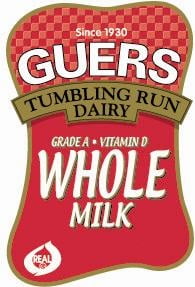
At a glance
Summary
This product contains milk and cream, which are beneficial ingredients providing essential nutrients like calcium and healthy fats. However, it also includes sodium citrate and disodium phosphate, which are additives used for stabilization and emulsification, indicating a moderate level of processing. While the ingredient list is relatively short and free from harmful additives, the presence of these additives and the processing level limit its score.
Key ingredients 4
MilkGood
Milk is a natural source of calcium and protein, essential for bone health and muscle maintenance. It is minimally processed and provides a range of vitamins and minerals. Grass-fed or organic milk may offer additional health benefits due to higher omega-3 content.
Risks
Potential lactose intolerance or milk allergy in some individuals.
Benefits
Rich in calcium and vitamin D, supporting bone health. Provides high-quality protein and essential nutrients.
CreamGood
Cream is a source of healthy fats and fat-soluble vitamins, contributing to energy and nutrient absorption. It is minimally processed and can enhance the flavor and texture of foods. Organic or grass-fed cream may contain higher levels of beneficial fatty acids.
Risks
High in saturated fat, which should be consumed in moderation to avoid cardiovascular risks.
Benefits
Provides energy and supports the absorption of fat-soluble vitamins. Enhances flavor and texture in culinary applications.
Sodium CitrateNeutral
Sodium citrate is used as an emulsifier and acidity regulator in food products. It is generally recognized as safe and is used in small quantities. It helps maintain the stability and texture of dairy products.
Benefits
Helps maintain product stability and texture, ensuring a consistent quality.
Disodium PhosphateNeutral
Disodium phosphate is used as an emulsifier and stabilizer in food products. It is generally recognized as safe and helps maintain the texture and consistency of dairy products. It is used in small amounts and does not significantly impact health.
Risks
Excessive consumption of phosphates may affect calcium balance, but typical food use is not a concern.
Benefits
Contributes to the stability and consistency of the product, ensuring a smooth texture.
Processing
Processed Foods
Get the full breakdown in the Scout appTake Scout shopping
Scan any product to see lab results, healthy alternatives, and your personalized analysis.
Download on theApp Store GET IT ONGoogle Play