

At a glance
Summary
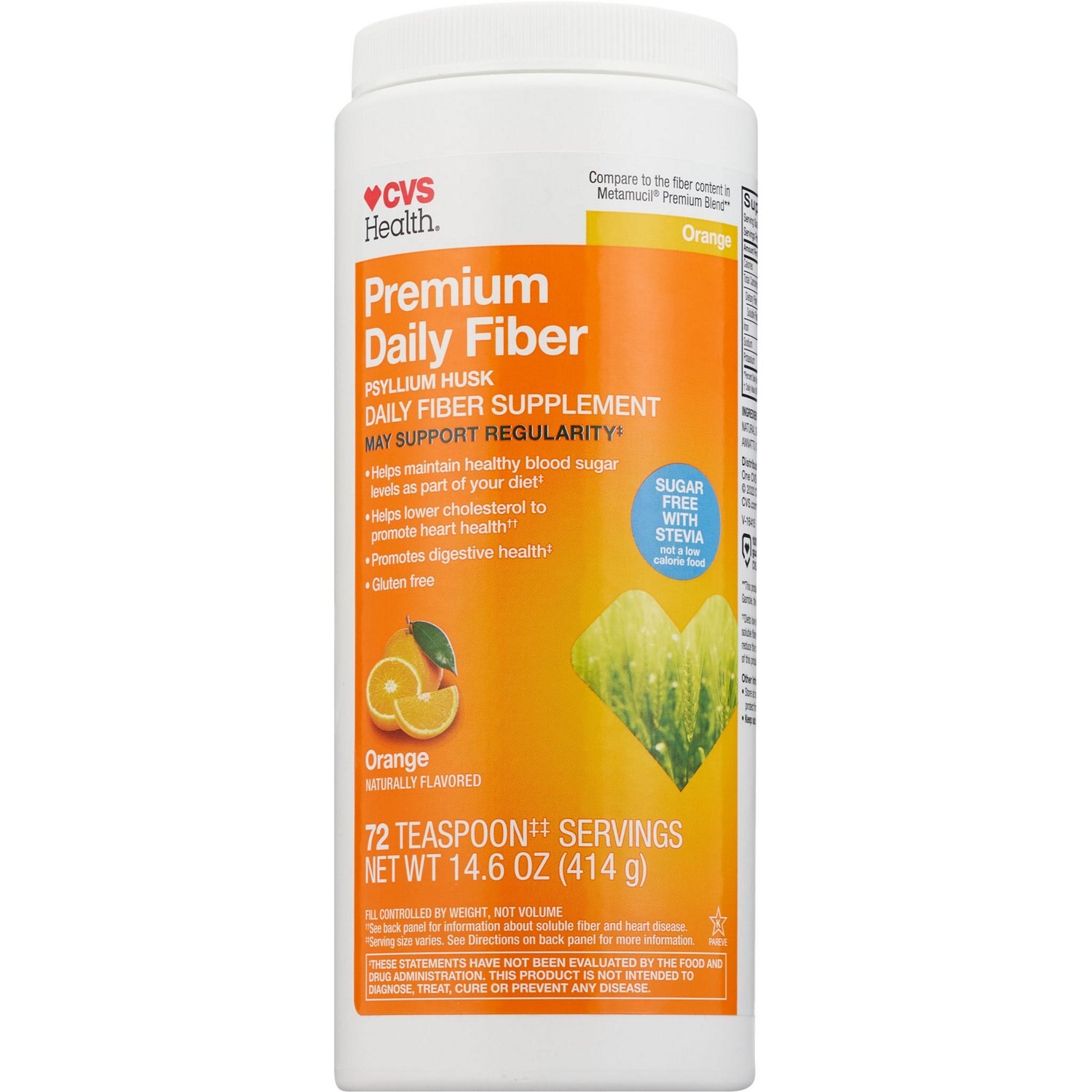
This fiber supplement contains psyllium husk, a beneficial ingredient known for supporting digestive health and regularity. However, the presence of maltodextrin, a highly processed carbohydrate, and the use of vague natural orange flavor detract from its overall quality. While the product provides a good source of fiber, the inclusion of these less desirable ingredients impacts its formulation integrity.
Key ingredients 7
Psyllium HuskVery Good
Psyllium husk is a natural source of soluble fiber that supports digestive health and regularity. It is minimally processed and provides a high-quality fiber source that can aid in lowering cholesterol levels and controlling blood sugar. Its ability to absorb water and form a gel-like substance in the gut makes it effective for promoting satiety and weight management.
Benefits
Rich in soluble fiber, it supports digestive health, helps lower cholesterol, and aids in blood sugar control.
TurmericGood
Beneficial ingredient — whole-food or functional value in this product class.
Benefits
Provides natural coloring and contains curcumin, which has potential anti-inflammatory properties.
Citric AcidNeutral
Citric acid is a natural preservative and flavor enhancer commonly used in food products. It is generally recognized as safe and is used to add a sour taste to foods and beverages. While it is naturally found in citrus fruits, the industrial version is often produced through fermentation.
Benefits
Acts as a preservative and flavor enhancer, contributing to the product's taste and shelf life.
SteviaNeutral
Stevia is a natural, zero-calorie sweetener derived from the leaves of the Stevia rebaudiana plant. It is considered safe for consumption and does not affect blood sugar levels, making it a popular choice for those managing diabetes. Despite its benefits, some people may experience a bitter aftertaste.
Benefits
Provides sweetness without calories or impact on blood sugar levels.
AnnattoNeutral
Annatto is a natural colorant derived from the seeds of the achiote tree, used to impart a yellow to orange hue to foods. It is generally recognized as safe and is a preferable alternative to synthetic dyes. While it is natural, some individuals may experience allergic reactions.
Risks
May cause allergic reactions in sensitive individuals.
Benefits
Provides natural coloring without the use of synthetic dyes.
MaltodextrinBad
Maltodextrin is a highly processed carbohydrate used as a filler and thickener, which can cause rapid spikes in blood sugar levels. It is often derived from corn, rice, or potato starch and lacks nutritional value. Its high glycemic index can be a concern for individuals managing blood sugar levels.
Risks
May cause rapid blood sugar spikes and is not suitable for individuals with insulin resistance or diabetes.
Natural Orange FlavorBad
Natural orange flavor is a vague term that can encompass a variety of flavoring agents derived from natural sources. The lack of specificity can be concerning as it may include additives or processing aids not disclosed on the label. This lack of transparency can be problematic for consumers with allergies or sensitivities.
Risks
Potential for undisclosed additives or allergens due to lack of specificity.
Processing
Processed Foods
Get the full breakdown in the Scout appTake Scout shopping
Scan any product to see lab results, healthy alternatives, and your personalized analysis.
Download on theApp Store GET IT ONGoogle Play