




At a glance
Summary
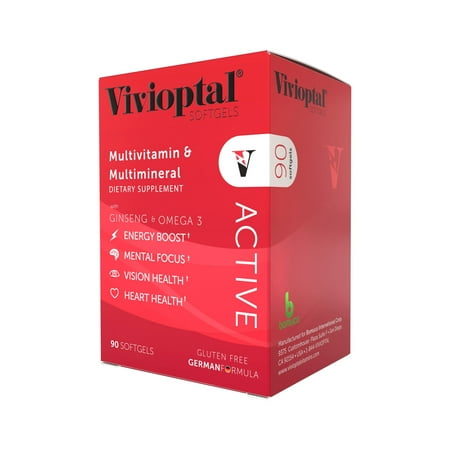
This multivitamin and omega-3 supplement contains a range of essential vitamins and omega-3 fatty acids from fish oil, which are beneficial for overall health. The vitamins are provided in bioavailable forms, enhancing their effectiveness. The product lacks harmful additives such as artificial dyes or sweeteners, contributing to its high score, although the use of synthetic vitamin E slightly reduces its rating.
Key ingredients 12
Vitamin AGood
Vitamin A is essential for maintaining healthy vision, immune function, and skin health. It is provided in the form of retinyl palmitate, which is a stable and bioavailable form of vitamin A. This ingredient supports overall health and wellness.
Risks
Excessive intake of vitamin A can lead to toxicity, causing liver damage and other health issues.
Benefits
Supports vision, immune function, and skin health.
Vitamin CGood
Vitamin C is a powerful antioxidant that supports the immune system and skin health. Ascorbic acid is a well-absorbed form of vitamin C. It helps in collagen synthesis and enhances iron absorption.
Risks
High doses may cause gastrointestinal discomfort.
Benefits
Boosts immune function and acts as an antioxidant.
Vitamin DGood
Vitamin D is crucial for bone health and immune function. Cholecalciferol (Vitamin D3) is the most effective form for raising blood levels of vitamin D. It aids in calcium absorption and bone maintenance.
Risks
Excessive intake can lead to hypercalcemia, causing nausea and weakness.
Benefits
Supports bone health and immune function.
Vitamin EGood
Vitamin E acts as an antioxidant, protecting cells from oxidative damage. Dl-alpha-tocopheryl acetate is a synthetic form but still provides antioxidant benefits. It supports skin health and immune function.
Risks
High doses may interfere with blood clotting.
Benefits
Protects cells from oxidative damage and supports skin health.
NiacinGood
Niacin supports energy metabolism and nervous system health. Inositol niacinate is a form that may reduce flushing effects. It helps convert food into energy and supports cardiovascular health.
Risks
High doses can cause skin flushing and liver damage.
Benefits
Supports energy metabolism and cardiovascular health.
Vitamin B6Good
Vitamin B6 is important for protein metabolism and cognitive development. Pyridoxine hydrochloride is a common and effective form. It aids in neurotransmitter synthesis and red blood cell production.
Risks
Excessive intake can lead to nerve damage.
Benefits
Supports protein metabolism and cognitive health.
FolateGood
Folate is essential for DNA synthesis and cell division. It is crucial during periods of rapid growth such as pregnancy. Folate supports cardiovascular health by reducing homocysteine levels.
Benefits
Supports DNA synthesis and cardiovascular health.
Vitamin B12Good
Vitamin B12 is vital for nerve function and red blood cell formation. Cyanocobalamin is a stable form used in supplements. It supports energy production and neurological health.
Benefits
Supports nerve function and red blood cell formation.
BiotinGood
Biotin is important for carbohydrate, fat, and protein metabolism. It supports healthy hair, skin, and nails. Biotin is water-soluble and generally safe at recommended doses.
Benefits
Supports metabolism and healthy hair, skin, and nails.
IodineGood
Iodine is essential for thyroid hormone production and metabolic regulation. Potassium iodide is a common form used in supplements. It supports cognitive function and energy metabolism.
Risks
Excessive intake can lead to thyroid dysfunction.
Benefits
Supports thyroid health and metabolic regulation.
ZincGood
Zinc is crucial for immune function and wound healing. Zinc bisglycinate chelate is a highly absorbable form. It supports enzyme function and DNA synthesis.
Risks
High doses can cause nausea and impair copper absorption.
Benefits
Supports immune function and wound healing.
Omega-3 Fatty AcidsGood
Omega-3 fatty acids support heart health and cognitive function. Derived from fish oil, they provide EPA and DHA, which are beneficial for reducing inflammation. They are essential fats that the body cannot produce on its own.
Risks
High doses may increase bleeding risk.
Benefits
Supports heart health and reduces inflammation.
Processing
Unprocessed or Minimally Processed Foods
Get the full breakdown in the Scout appTake Scout shopping
Scan any product to see lab results, healthy alternatives, and your personalized analysis.
Download on theApp Store GET IT ONGoogle Play