
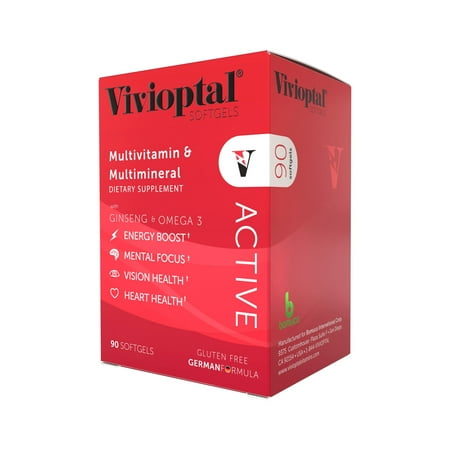



Vivioptal Active 90 Softgels Ginseng & Omega 3 Multivitamin & Multimineral Gluten Free German Formula
At a glance
Summary
This multivitamin and multimineral supplement features a comprehensive blend of beneficial ingredients, including bioavailable forms of vitamins and minerals such as Vitamin D3, Vitamin B12, and Omega-3 fatty acids. The inclusion of adaptogens like Ginseng and antioxidants such as Lutein and CoQ10 further enhances its health benefits. The formulation is free from harmful additives, artificial sweeteners, and dyes, making it a high-quality choice for supporting overall wellness.
Key ingredients 16
Vitamin CVery Good
Vitamin C is a powerful antioxidant that supports immune function and skin health. It is often used in supplements for its ability to enhance iron absorption and promote collagen synthesis. As a water-soluble vitamin, it is generally safe and well-tolerated.
Benefits
Supports immune function, enhances iron absorption, and promotes collagen synthesis.
Omega-3Very Good
Omega-3 fatty acids are essential for heart health and cognitive function. They are known for their anti-inflammatory properties and ability to lower triglyceride levels. Regular intake supports cardiovascular health and brain function.
Risks
High doses may increase bleeding risk, especially in those taking anticoagulants.
Benefits
Supports heart health, reduces inflammation, and enhances cognitive function.
Vitamin D3Good
Vitamin D3 is essential for calcium absorption and bone health. It is the most bioavailable form of vitamin D, making it highly effective in maintaining optimal vitamin D levels. Regular intake can support immune function and mood regulation.
Risks
Excessive intake can lead to hypercalcemia, but this is rare with normal supplementation.
Benefits
Promotes calcium absorption, supports bone health, and enhances immune function.
Vitamin AGood
Vitamin A is crucial for vision, immune function, and skin health. It is available in both preformed (retinol) and provitamin (beta-carotene) forms, with retinol being more readily absorbed. Adequate intake supports eye health and reduces the risk of night blindness.
Risks
High doses can be toxic, leading to liver damage and other health issues.
Benefits
Supports vision, immune function, and skin health.
Vitamin B12Good
Vitamin B12 is essential for nerve function and the production of DNA and red blood cells. It is particularly important for vegetarians and older adults who may have absorption issues. Supplementation can prevent anemia and support cognitive health.
Benefits
Supports nerve function, DNA production, and prevents anemia.
Vitamin EGood
Vitamin E is a fat-soluble antioxidant that protects cells from oxidative damage. It is important for immune function and skin health. As a natural antioxidant, it helps to combat free radicals and reduce inflammation.
Risks
High doses can interfere with blood clotting and increase the risk of bleeding.
Benefits
Protects cells from oxidative damage and supports immune function.
GinsengGood
Ginseng is an adaptogen that helps the body manage stress and improve energy levels. It is traditionally used to enhance physical performance and cognitive function. Its antioxidant properties contribute to overall health and vitality.
Risks
May cause insomnia or nervousness in some individuals.
Benefits
Enhances energy levels, cognitive function, and stress management.
LuteinGood
Lutein is a carotenoid that supports eye health and may reduce the risk of age-related macular degeneration. It is found in high concentrations in the retina, where it helps filter harmful blue light. Regular intake supports visual health and reduces oxidative stress in the eyes.
Benefits
Supports eye health and reduces the risk of macular degeneration.
ZeaxanthinGood
Zeaxanthin is a carotenoid that, like lutein, supports eye health and protects against age-related macular degeneration. It is concentrated in the macula of the eye, where it helps filter blue light. Regular intake supports visual health and reduces oxidative stress.
Benefits
Supports eye health and protects against macular degeneration.
BiotinGood
Biotin is a B-vitamin that supports healthy hair, skin, and nails. It plays a role in energy metabolism and is often included in beauty supplements. Adequate intake supports keratin production and overall skin health.
Benefits
Supports healthy hair, skin, and nails.
CoQ10Good
CoQ10 is an antioxidant that supports heart health and energy production. It is naturally present in the body and helps generate energy in cells. Supplementation can support cardiovascular health and reduce oxidative stress.
Benefits
Supports heart health and energy production.
CalciumGood
Calcium is essential for bone health and muscle function. It is the most abundant mineral in the body and is crucial for maintaining strong bones and teeth. Adequate intake supports bone density and reduces the risk of osteoporosis.
Risks
Excessive intake can lead to kidney stones and impaired absorption of other minerals.
Benefits
Supports bone health and muscle function.
ZincGood
Zinc is a mineral that supports immune function and wound healing. It is involved in numerous enzymatic reactions and is essential for DNA synthesis. Adequate intake supports immune health and reduces the duration of colds.
Risks
High doses can cause nausea and interfere with copper absorption.
Benefits
Supports immune function and wound healing.
IronGood
Iron is essential for the production of hemoglobin and oxygen transport in the blood. It is crucial for preventing anemia and supporting energy levels. Adequate intake supports cognitive function and overall vitality.
Risks
Excessive intake can lead to iron overload and organ damage.
Benefits
Supports oxygen transport and prevents anemia.
L-ArginineGood
L-Arginine is an amino acid that supports nitric oxide production and blood flow. It is often used in supplements to enhance exercise performance and cardiovascular health. Adequate intake supports muscle growth and recovery.
Risks
May cause gastrointestinal discomfort in some individuals.
Benefits
Supports blood flow and enhances exercise performance.
LycopeneGood
Lycopene is a powerful antioxidant found in tomatoes and other red fruits. It supports heart health and may reduce the risk of certain cancers. Regular intake supports cardiovascular health and reduces oxidative stress.
Benefits
Supports heart health and reduces cancer risk.
Processing
Unprocessed or Minimally Processed Foods
Get the full breakdown in the Scout appTake Scout shopping
Scan any product to see lab results, healthy alternatives, and your personalized analysis.
Download on theApp Store GET IT ONGoogle Play