
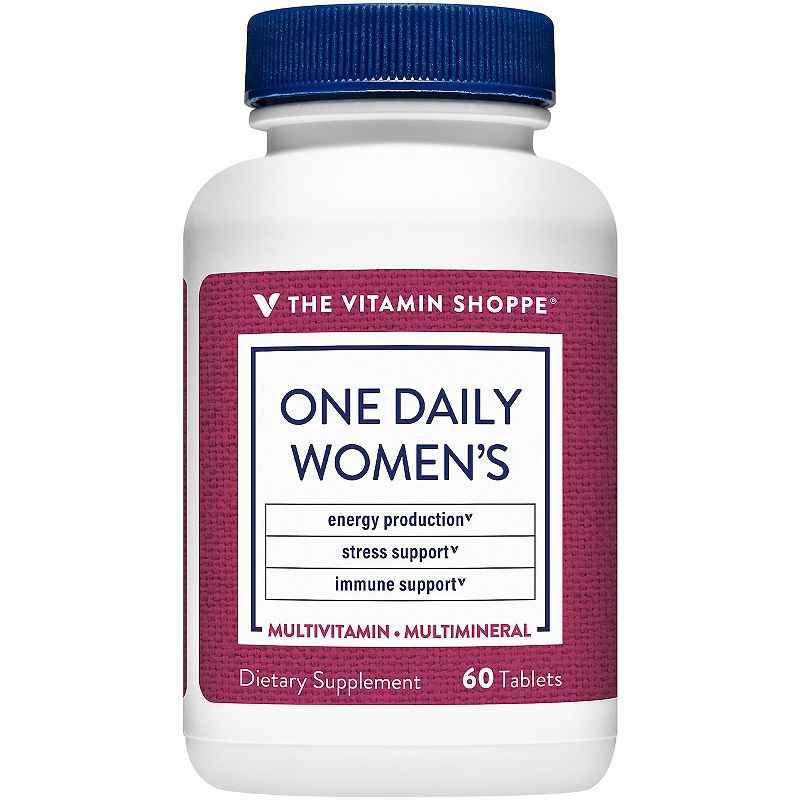


One Daily Women's Multivitamin & Multimineral with Vitamin D3 (60 Tablets)
Analysis updated October 2026 · How Scout scores
At a glance
Summary
This multivitamin contains a comprehensive range of essential vitamins and minerals in bioavailable forms, supporting various aspects of health such as bone, immune, and skin health. The formulation is free from harmful additives like artificial dyes and sweeteners, and it includes beneficial ingredients like Vitamin D3 and beta carotene. However, the presence of magnesium oxide, which is less bioavailable, slightly impacts the overall formulation quality.
Key ingredients 29
Vitamin D3Very Good
Vitamin D3 is crucial for bone health as it aids in calcium absorption. Cholecalciferol is the most effective form of vitamin D for raising blood levels. It also supports immune function and has been linked to mood regulation.
Benefits
Promotes bone health and supports immune function.
FolateVery Good
Folate is crucial for DNA synthesis and repair, making it essential for cell division and growth. It is especially important during pregnancy for fetal development. Folate also supports heart health by reducing homocysteine levels.
Benefits
Supports DNA synthesis and heart health.
Vitamin B12Very Good
Vitamin B12 is essential for nerve function, red blood cell formation, and DNA synthesis. Cyanocobalamin is a stable form used in supplements. It is particularly important for vegetarians and vegans who may not get enough from their diet.
Benefits
Supports nerve function and red blood cell production.
CalciumVery Good
Calcium is essential for bone health and muscle function. Calcium carbonate is a widely used form in supplements due to its high elemental calcium content. It also supports nerve transmission and hormone secretion.
Benefits
Supports bone health and muscle function.
Vitamin AGood
Vitamin A is essential for maintaining healthy vision, immune function, and skin health. It is provided as beta carotene, which is a precursor to vitamin A and is considered a safer form as it reduces the risk of toxicity. Beta carotene is also an antioxidant, which helps protect cells from damage.
Benefits
Supports vision, immune function, and acts as an antioxidant.
Vitamin CGood
Vitamin C is a powerful antioxidant that supports the immune system and skin health. Ascorbic acid is the most common form of vitamin C used in supplements and is well-absorbed by the body. It also aids in the absorption of iron from plant-based foods.
Benefits
Enhances immune function and improves iron absorption.
Vitamin EGood
Vitamin E acts as an antioxidant, protecting cells from oxidative stress. D-alpha tocopheryl succinate is a natural form of vitamin E, which is more bioavailable than synthetic forms. It also supports immune function and skin health.
Benefits
Protects cells from damage and supports immune health.
Vitamin KGood
Vitamin K is essential for blood clotting and bone health. Phytonadione is a form of vitamin K1, which is effective in supporting these functions. It also plays a role in heart health by preventing calcification of arteries.
Benefits
Supports blood clotting and bone health.
ThiaminGood
Thiamin, or vitamin B1, is crucial for energy metabolism and nerve function. Thiamin mononitrate is a stable form used in supplements. It helps convert carbohydrates into energy and supports the nervous system.
Benefits
Supports energy metabolism and nerve function.
RiboflavinGood
Riboflavin, or vitamin B2, is important for energy production and cellular function. It acts as an antioxidant and is involved in the metabolism of fats, drugs, and steroids. Riboflavin also supports healthy skin and eyes.
Benefits
Supports energy production and acts as an antioxidant.
NiacinGood
Niacin, or vitamin B3, is essential for converting food into energy and maintaining healthy skin and nerves. Niacinamide is a form that does not cause flushing, making it suitable for supplementation. It also supports DNA repair and stress responses.
Benefits
Supports energy conversion and skin health.
Vitamin B6Good
Vitamin B6 is involved in amino acid metabolism, red blood cell production, and neurotransmitter synthesis. Pyridoxine HCl is a common form used in supplements. It also supports immune function and brain health.
Benefits
Supports metabolism and brain health.
BiotinGood
Biotin, or vitamin B7, supports metabolism of carbohydrates, fats, and proteins. D-biotin is the natural, active form used in supplements. It is also known for promoting healthy hair, skin, and nails.
Benefits
Supports metabolism and promotes healthy hair and skin.
Pantothenic AcidGood
Pantothenic acid, or vitamin B5, is vital for synthesizing coenzyme A, which is important for fatty acid metabolism. D-calcium pantothenate is a stable form used in supplements. It also supports adrenal function and stress response.
Benefits
Supports metabolism and adrenal function.
CholineGood
Choline is important for liver function, brain development, and muscle movement. Choline bitartrate is a common form used in supplements. It also supports the formation of cell membranes and neurotransmitters.
Benefits
Supports brain health and liver function.
IronGood
Iron is crucial for oxygen transport in the blood and energy production. Ferrous fumarate is a form that is well-absorbed and commonly used in supplements. It is particularly important for women of childbearing age to prevent anemia.
Risks
Excessive iron intake can lead to toxicity, especially in individuals with hemochromatosis.
Benefits
Supports oxygen transport and prevents anemia.
IodineGood
Iodine is essential for thyroid hormone production, which regulates metabolism. It is sourced from kelp, a natural and rich source of iodine. Adequate iodine intake is crucial for preventing thyroid disorders.
Risks
Excessive iodine intake can lead to thyroid dysfunction.
Benefits
Supports thyroid health and metabolism.
MagnesiumGood
Magnesium is involved in over 300 biochemical reactions in the body, including energy production and muscle function. Magnesium oxide is a common form used in supplements. It also supports bone health and nerve function.
Risks
High doses of magnesium can cause diarrhea and gastrointestinal discomfort.
Benefits
Supports energy production and muscle function.
ZincGood
Zinc is important for immune function, wound healing, and DNA synthesis. Zinc sulfate is a form that is well-absorbed and used in supplements. It also supports growth and development during pregnancy, childhood, and adolescence.
Risks
Excessive zinc intake can interfere with copper absorption and cause immune dysfunction.
Benefits
Supports immune function and wound healing.
SeleniumGood
Selenium is a powerful antioxidant that supports immune function and thyroid health. It is provided as an amino acid chelate, which enhances absorption. Selenium also plays a role in preventing cellular damage from free radicals.
Risks
High doses of selenium can lead to toxicity, causing symptoms like hair loss and gastrointestinal upset.
Benefits
Supports immune function and acts as an antioxidant.
CopperGood
Copper is essential for iron metabolism, connective tissue formation, and brain function. Copper sulfate is a form used in supplements. It also supports the immune system and acts as an antioxidant.
Risks
Excessive copper intake can lead to toxicity, affecting liver function.
Benefits
Supports iron metabolism and brain function.
ManganeseGood
Manganese is important for bone formation, blood clotting, and reducing inflammation. Manganese sulfate is a form used in supplements. It also supports metabolism and antioxidant defenses.
Risks
High doses of manganese can lead to neurological issues.
Benefits
Supports bone health and metabolism.
ChromiumGood
Chromium is involved in macronutrient metabolism and enhances insulin action. Chromium picolinate is a form that is well-absorbed and commonly used in supplements. It also supports blood sugar control.
Benefits
Supports metabolism and blood sugar control.
MolybdenumGood
Molybdenum is a trace element that acts as a cofactor for enzymes involved in detoxification. It is provided as an amino acid chelate, which enhances absorption. Molybdenum also supports sulfur metabolism.
Benefits
Supports enzyme function and detoxification.
PotassiumGood
Potassium is crucial for maintaining fluid balance, nerve signals, and muscle contractions. Potassium chloride is a form used in supplements. It also supports heart health and blood pressure regulation.
Risks
Excessive potassium intake can lead to hyperkalemia, affecting heart function.
Benefits
Supports heart health and fluid balance.
Cranberry ConcentrateGood
Cranberry concentrate is known for its role in supporting urinary tract health. It contains antioxidants and compounds that prevent bacteria from adhering to the urinary tract walls. It also provides vitamin C and other phytonutrients.
Benefits
Supports urinary tract health and provides antioxidants.
InositolGood
Inositol is a carbohydrate that plays a role in cell membrane formation and nerve function. It is often used to support mental health and insulin sensitivity. Inositol also supports liver function and fat metabolism.
Benefits
Supports mental health and liver function.
LuteinGood
Lutein is a carotenoid that supports eye health by filtering harmful blue light. It is found in high concentrations in the retina and is known to reduce the risk of age-related macular degeneration. Lutein also acts as an antioxidant.
Benefits
Supports eye health and acts as an antioxidant.
BoronGood
Boron is a trace mineral that supports bone health and hormone regulation. It is provided as an amino acid complex, which enhances absorption. Boron also plays a role in reducing inflammation and supporting cognitive function.
Benefits
Supports bone health and hormone regulation.
Processing
Unprocessed or Minimally Processed Foods
Get the full breakdown in the Scout appTake Scout shopping
Scan any product to see lab results, healthy alternatives, and your personalized analysis.
Download on theApp Store GET IT ONGoogle Play