



At a glance
Summary
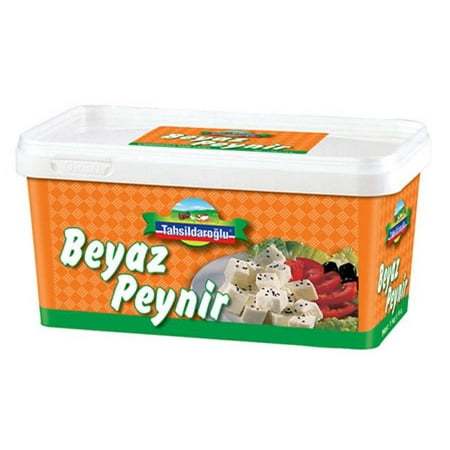
This feta cheese is made from pasteurized cow and goat milk, microbial enzymes, and is cured in brine, which are all traditional and beneficial ingredients for cheese production. The use of microbial enzymes supports vegetarian preferences, and the curing process with sea salt enhances flavor naturally. Despite being processed, the clean ingredient list and traditional methods contribute positively to its rating.
Key ingredients 5
Pasteurized cow and goat milkGood
Pasteurized cow and goat milk is a primary source of protein and calcium. The pasteurization process ensures safety by eliminating harmful bacteria while retaining essential nutrients. It provides a rich source of vitamins and minerals necessary for bone health.
Risks
Some individuals may be lactose intolerant or allergic to milk proteins.
Benefits
Rich in high-quality protein and calcium, supporting bone health and muscle function.
Microbial enzymeGood
Microbial enzymes are used as a vegetarian alternative to animal rennet in cheese production. They facilitate the coagulation of milk, essential for cheese formation. This ingredient supports vegetarian dietary preferences without compromising cheese quality.
Benefits
Supports vegetarian diets by replacing animal rennet and aids in cheese coagulation.
Cured in brine (water, sea salt)Good
Curing in brine with sea salt is a traditional method that enhances flavor and preserves the cheese. Sea salt provides trace minerals and contributes to the overall taste profile. This method is a natural way to extend the shelf life of cheese.
Risks
High sodium content may be a concern for individuals with hypertension or those on a low-sodium diet.
Benefits
Enhances flavor and preserves cheese naturally, providing trace minerals from sea salt.
Calcium chlorideNeutral
Calcium chloride is used in cheese making to improve curd formation. It is a common additive that helps maintain the structural integrity of cheese. It does not significantly impact the nutritional profile of the cheese.
Benefits
Helps in the cheese-making process by improving curd formation and texture.
Bacterial cultureNeutral
Bacterial cultures are essential for the fermentation process in cheese making. They contribute to the development of flavor and texture in cheese. These cultures are a standard component in traditional cheese production.
Benefits
Essential for developing flavor and texture in cheese through fermentation.
Processing
Processed Foods
Get the full breakdown in the Scout appTake Scout shopping
Scan any product to see lab results, healthy alternatives, and your personalized analysis.
Download on theApp Store GET IT ONGoogle Play