
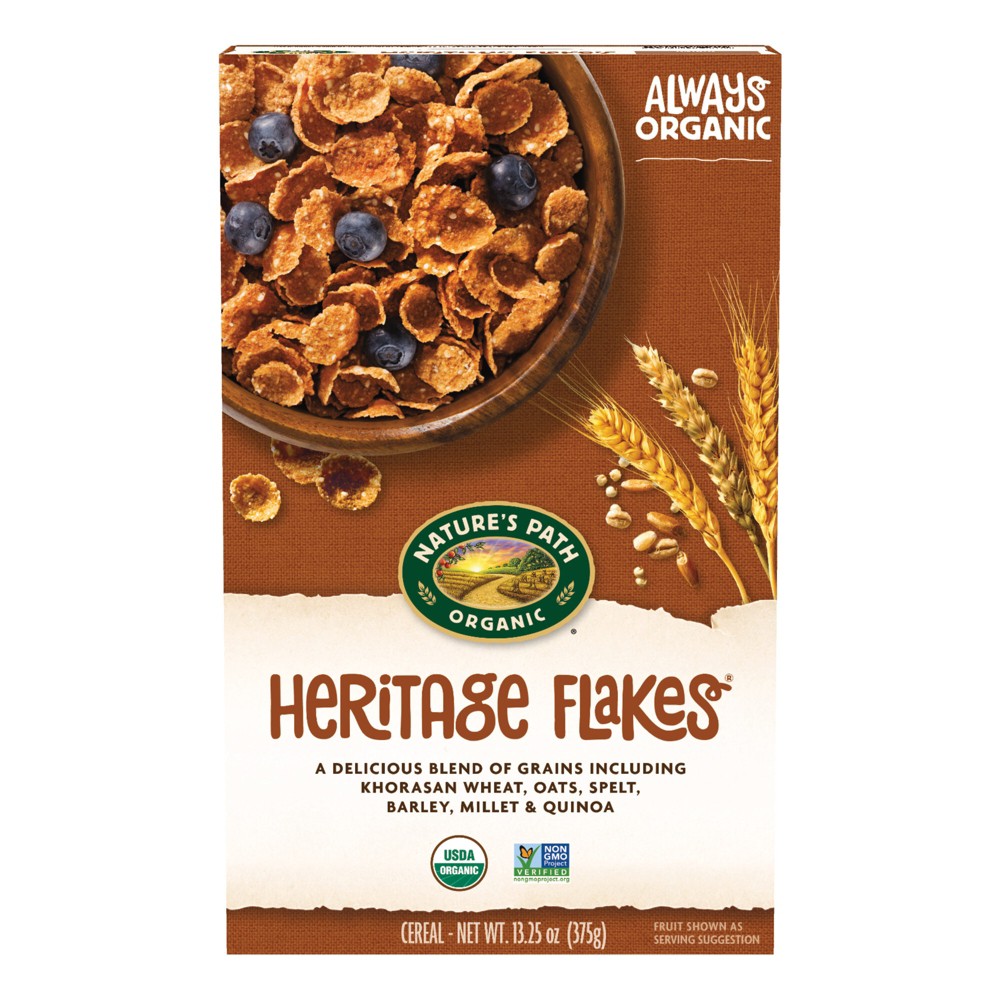
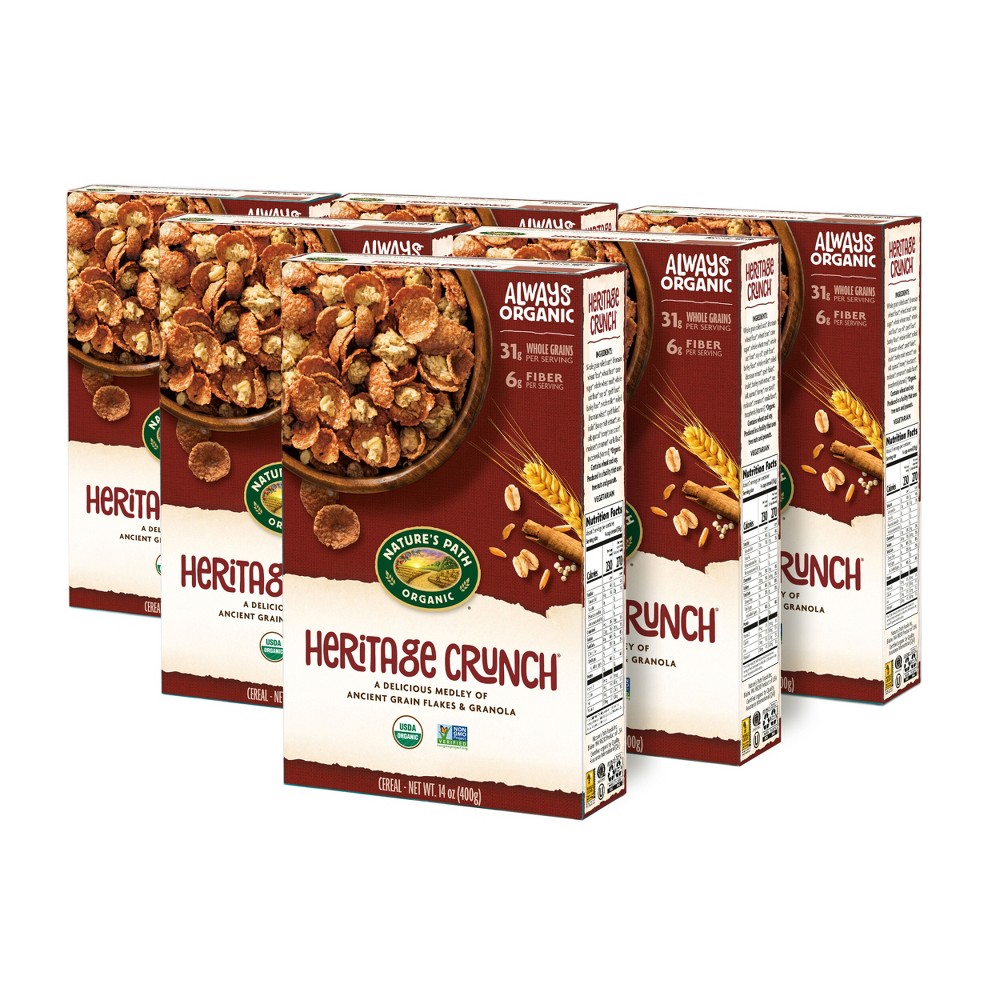


Nature's Path Organic Cereal
Analysis updated September 2026 · How Scout scores
At a glance
Summary
This organic cereal features a variety of whole grains such as kamut, spelt, and quinoa, which are minimally processed and provide essential nutrients and fiber. The use of organic ingredients and the absence of harmful additives contribute to its high rating. However, the presence of added sugars and its processed nature limit the score, despite the overall clean ingredient list.
Key ingredients 12
QuinoaVery Good
Quinoa is a highly nutritious grain known for its complete protein content and rich nutrient profile. It is often organically grown, reducing pesticide exposure. Its inclusion in cereal enhances nutritional value and provides essential amino acids.
Benefits
Provides complete protein and essential nutrients, supporting muscle health and overall nutrition.
Kamut khorasan wheat flourGood
Kamut khorasan wheat flour is an ancient grain known for its high protein content and rich nutrient profile. It is often organically grown, which reduces exposure to pesticides. Its unique flavor and nutritional benefits make it a valuable addition to cereals.
Risks
Contains gluten, which may cause issues for individuals with celiac disease or gluten sensitivity.
Benefits
Rich in protein and essential minerals like selenium and zinc, supporting overall health and wellness.
Wheat branGood
Wheat bran is a high-fiber ingredient that aids in digestion and promotes gut health. It is minimally processed, retaining most of its natural nutrients. Its inclusion in cereal helps increase dietary fiber intake.
Risks
May cause digestive discomfort in some individuals if consumed in large quantities.
Benefits
Excellent source of dietary fiber, which supports digestive health and helps maintain regular bowel movements.
Whole wheat mealGood
Whole wheat meal is a whole grain ingredient that provides essential nutrients and fiber. It is less processed than refined flours, preserving its nutritional integrity. Its use in cereal contributes to a balanced diet.
Risks
Contains gluten, which can be problematic for those with gluten intolerance or celiac disease.
Benefits
Provides fiber, vitamins, and minerals that support heart health and aid in digestion.
Whole oat flourGood
Whole oat flour is a nutritious ingredient rich in beta-glucans, which support heart health. It is minimally processed, retaining its natural fiber and nutrients. Its inclusion in cereal adds nutritional value and texture.
Benefits
Supports heart health and provides a good source of dietary fiber, aiding in digestion.
Spelt flourGood
Spelt flour is an ancient grain flour known for its high protein and nutrient content. It is often organically grown, reducing pesticide exposure. Its nutty flavor and nutritional benefits enhance the quality of cereals.
Risks
Contains gluten, which may not be suitable for individuals with gluten intolerance or celiac disease.
Benefits
Rich in protein, fiber, and essential nutrients, supporting overall health and wellness.
Barley flourGood
Barley flour is a whole grain flour that provides fiber and essential nutrients. It is less processed than refined flours, maintaining its nutritional benefits. Its use in cereal contributes to a balanced diet.
Risks
Contains gluten, which can be problematic for those with gluten intolerance or celiac disease.
Benefits
Provides dietary fiber and nutrients that support heart health and aid in digestion.
Whole milletGood
Whole millet is a gluten-free grain that is rich in fiber and essential nutrients. It is minimally processed, retaining its natural nutritional profile. Its inclusion in cereal adds diversity and nutritional value.
Benefits
Provides a good source of fiber and essential nutrients, supporting digestive health and overall wellness.
Sea saltGood
Sea salt is a natural source of sodium and trace minerals. It is minimally processed, retaining its natural mineral content. Its use in moderation is beneficial for maintaining electrolyte balance.
Risks
Excessive sodium intake can lead to high blood pressure and other health issues.
Benefits
Provides essential minerals and supports electrolyte balance in the body.
HoneyGood
Traditional whole-food sweetener with trace enzymes and antioxidants.
Risks
Excessive consumption can lead to health issues such as obesity and dental cavities.
Benefits
Provides natural sweetness and contains small amounts of antioxidants.
Barley malt extractNeutral
Barley malt extract is used as a natural sweetener and flavor enhancer. It is derived from barley and retains some nutritional benefits. Its use in moderation is generally acceptable in a balanced diet.
Risks
Contains gluten, which may not be suitable for individuals with gluten intolerance or celiac disease.
Benefits
Adds natural sweetness and flavor to foods, with some nutritional benefits from barley.
Cane sugarBad
Processed additive flagged under Scout's ingredient doctrine.
Risks
Excessive consumption can lead to health issues such as obesity and dental cavities.
Benefits
Provides a natural source of sweetness, enhancing the flavor of foods.
Processing
Processed Foods
Get the full breakdown in the Scout appTake Scout shopping
Scan any product to see lab results, healthy alternatives, and your personalized analysis.
Download on theApp Store GET IT ONGoogle PlayAmazon pricing & content
Amazon price as of . Product prices and availability are accurate as of the date/time indicated and are subject to change. Any price and availability information displayed on Amazon.com at the time of purchase will apply to the purchase of this product.
CERTAIN CONTENT THAT APPEARS ON THIS SITE COMES FROM AMAZON. THIS CONTENT IS PROVIDED “AS IS” AND IS SUBJECT TO CHANGE OR REMOVAL AT ANY TIME.