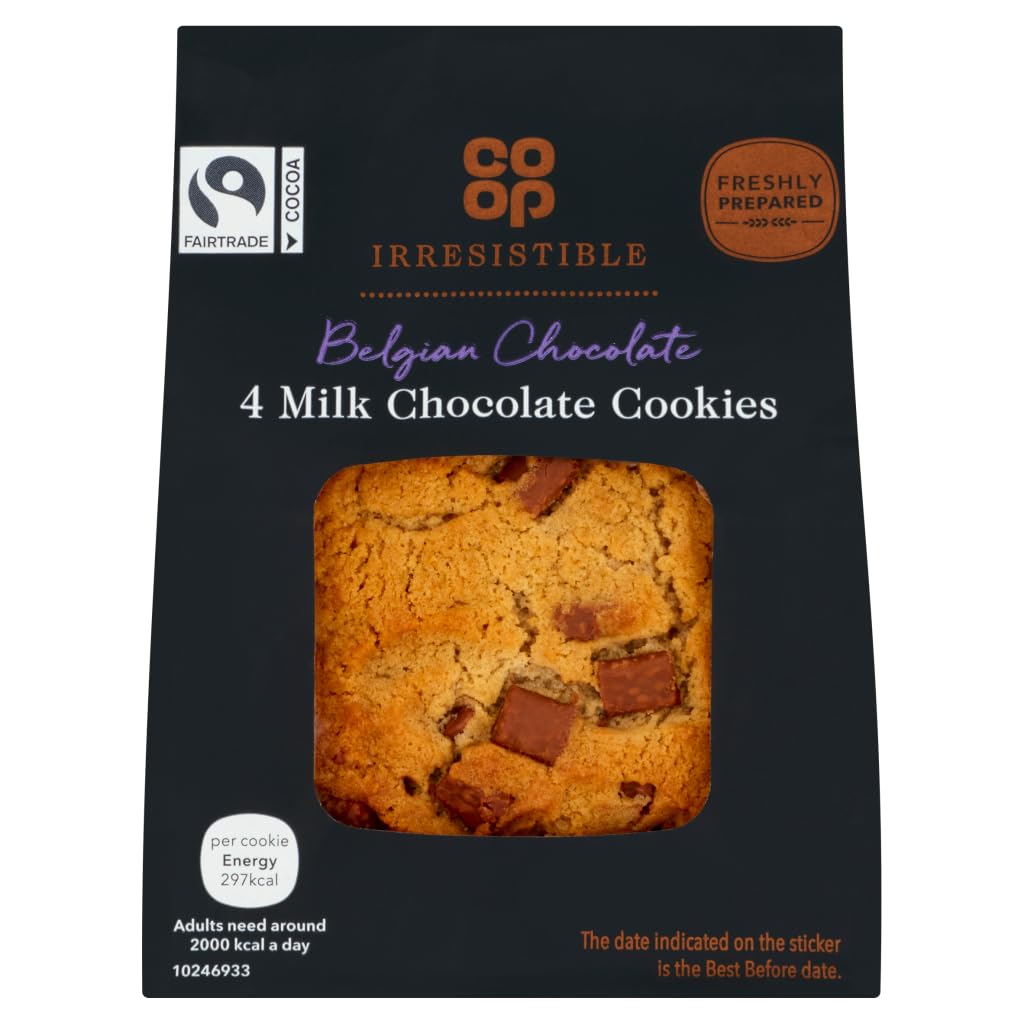
Belgian Bread
At a glance
Summary
This bread contains a simple ingredient list with unbleached flour, water, sea salt, and yeast, which are generally considered wholesome. However, the presence of calcium propionate, a synthetic preservative, raises some health concerns due to its potential to cause digestive issues. The bread is moderately processed, which limits its score despite the absence of seed oils or artificial colors.
Key ingredients 6
Sea saltGood
Sea salt is a minimally processed source of sodium and trace minerals. It enhances flavor and contributes to the preservation of the bread. Unlike refined salt, it retains natural minerals that can be beneficial.
Risks
Excessive sodium intake can lead to hypertension and cardiovascular issues.
Benefits
Provides essential sodium and trace minerals, enhancing flavor and preservation.
Unbleached flourNeutral
Unbleached flour is a common base for bread, providing structure and texture. It is less processed than bleached flour, retaining more natural nutrients. However, it is still a refined carbohydrate with limited nutritional benefits.
Risks
Refined carbohydrates can contribute to blood sugar spikes and may lack fiber.
Benefits
Provides essential carbohydrates for energy and is less processed than bleached flour.
WaterNeutral
Water is a fundamental ingredient in bread, necessary for hydration and dough formation. It is a natural, unprocessed component with no health risks. It plays a crucial role in the baking process by activating yeast and gluten.
Benefits
Essential for hydration and dough consistency in bread making.
YeastNeutral
Yeast is a natural leavening agent that helps bread rise by producing carbon dioxide. It is a key ingredient in fermentation, contributing to the bread's texture and flavor. Yeast is generally considered safe and beneficial in bread making.
Benefits
Facilitates fermentation, improving texture and flavor of bread.
AmylaseNeutral
Amylase is an enzyme that breaks down starches into sugars, aiding in fermentation and improving bread texture. It is naturally occurring and commonly used in baking. Amylase is generally recognized as safe and beneficial for bread quality.
Benefits
Enhances fermentation and improves the texture and volume of bread.
Calcium propionateBad
Calcium propionate is a preservative used to prevent mold and extend shelf life. It is a synthetic additive that can cause digestive issues in sensitive individuals. While effective as a preservative, its synthetic nature raises health concerns.
Risks
May cause digestive discomfort or allergic reactions in some individuals.
Benefits
Effectively prevents mold growth, extending the shelf life of bread.
Processing
Processed Foods
Get the full breakdown in the Scout appTake Scout shopping
Scan any product to see lab results, healthy alternatives, and your personalized analysis.
Are you Irresistible? Fix an error Get the badge Get tested