
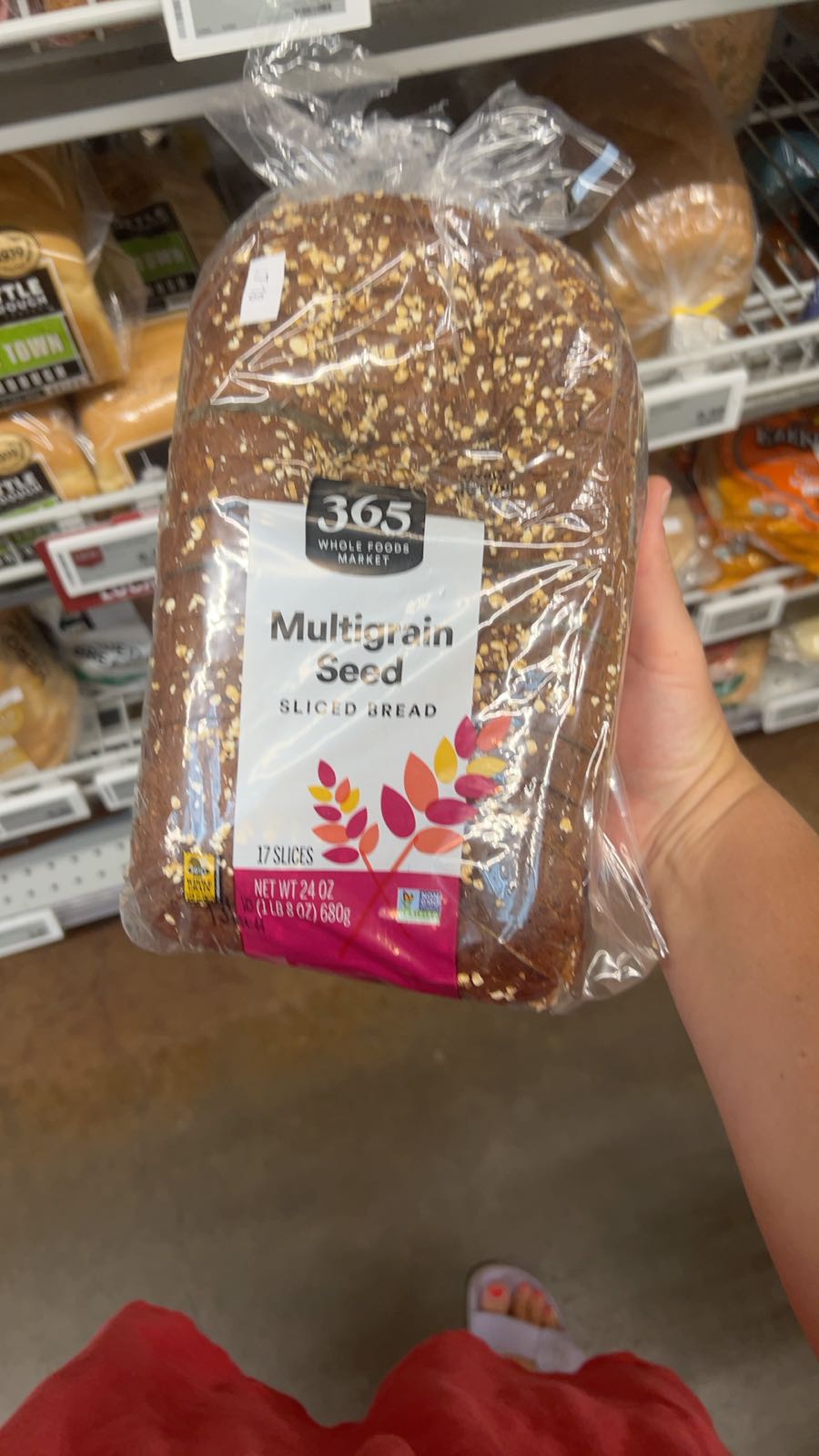
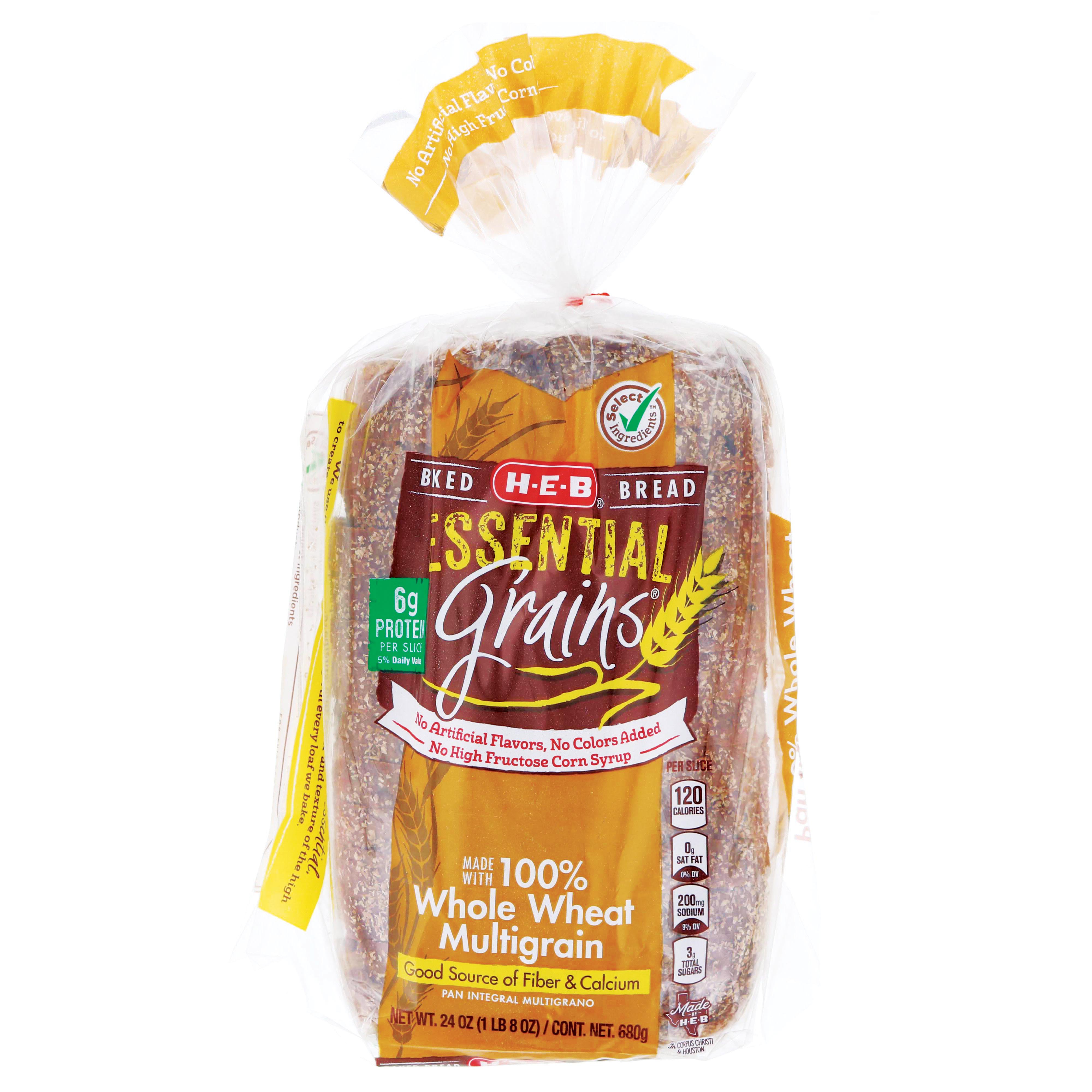
Smooth Multi-grain

Bon Matin
75 Good
View on Amazon

Summary

This product is made from enriched wheat flour and other refined ingredients, which are indicative of a moderate level of processing. While it does not contain harmful additives like artificial colors or high-fructose corn syrup, the use of enriched flour and synthetic vitamins suggests a reliance on processed components. The fiber content is beneficial, but the overall ingredient quality and processing level limit its healthiness compared to less processed options.

At a glance

Beneficial ingredients 0
Harmful ingredients 0
Owned by Bimbo Canada
Category Bread

Key ingredients 8

Enriched Wheat Flour
Neutral

Enriched wheat flour is refined flour with added vitamins and minerals. It lacks the fiber and nutrients found in whole grain flour. The enrichment process adds back some nutrients lost during refining, but it does not fully replicate the nutritional profile of whole grains.

Risks

May contribute to blood sugar spikes due to its refined nature and lack of fiber.

Benefits

Provides essential vitamins and minerals such as iron and B vitamins due to enrichment.

See more about Enriched Wheat Flour →
Flour
Neutral

Flour is a basic ingredient used in baking and cooking. It is typically made from ground wheat and can vary in nutritional content based on processing. This ingredient is a staple in many diets but lacks the fiber and nutrients of whole grain alternatives.

Risks

Refined flour may lead to increased blood sugar levels and lacks dietary fiber.

Benefits

Provides carbohydrates which are a primary energy source.

See more about Flour →
Malted Barley Flour
Neutral

Malted barley flour is used to enhance flavor and improve the texture of baked goods. It is made from sprouted barley grains that are dried and ground. This ingredient can add a slight sweetness and improve the browning of baked products.

Benefits

May improve the flavor and texture of baked goods.

See more about Malted Barley Flour →
Reduced Iron
Neutral

Reduced iron is added to foods to increase their iron content. It is a form of elemental iron used in fortification. This ingredient helps prevent iron deficiency anemia but is not as easily absorbed as heme iron from animal sources.

Risks

Excessive iron intake can lead to toxicity, especially in individuals with hemochromatosis.

Benefits

Helps in preventing iron deficiency anemia by providing a source of dietary iron.

See more about Reduced Iron →
Niacin
Neutral

Niacin, also known as vitamin B3, is added to foods for fortification purposes. It plays a crucial role in energy metabolism and maintaining healthy skin and nerves. This ingredient is essential for converting food into energy.

Risks

High doses can cause flushing and liver damage, but such levels are unlikely to be reached through fortified foods alone.

Benefits

Supports energy metabolism and is essential for overall health.

See more about Niacin →
Thiamin Mononitrate
Neutral

Thiamin mononitrate is a synthetic form of vitamin B1 used in food fortification. It is essential for carbohydrate metabolism and nerve function. This ingredient helps prevent thiamin deficiency, which can lead to neurological issues.

Benefits

Prevents thiamin deficiency and supports energy metabolism.

Riboflavin
Neutral

Riboflavin, or vitamin B2, is added to foods to enhance their nutritional profile. It is important for energy production and the metabolism of fats, drugs, and steroids. This ingredient is crucial for maintaining healthy skin and eyes.

Benefits

Supports energy production and is essential for overall health.

See more about Riboflavin →
Folic Acid
Neutral

Folic acid is a synthetic form of folate used in food fortification. It is vital for DNA synthesis and repair, and is especially important during periods of rapid growth such as pregnancy. This ingredient helps prevent neural tube defects in developing fetuses.

Risks

Excessive intake can mask vitamin B12 deficiency symptoms.

Benefits

Essential for DNA synthesis and preventing neural tube defects during pregnancy.

See more about Folic Acid →

Processing

Group 3 · Processed

Processed Foods

Get the full breakdown in the Scout app

Scan any product to see lab results, healthy alternatives, and your personalized analysis.

Download on theApp Store