


At a glance
Summary
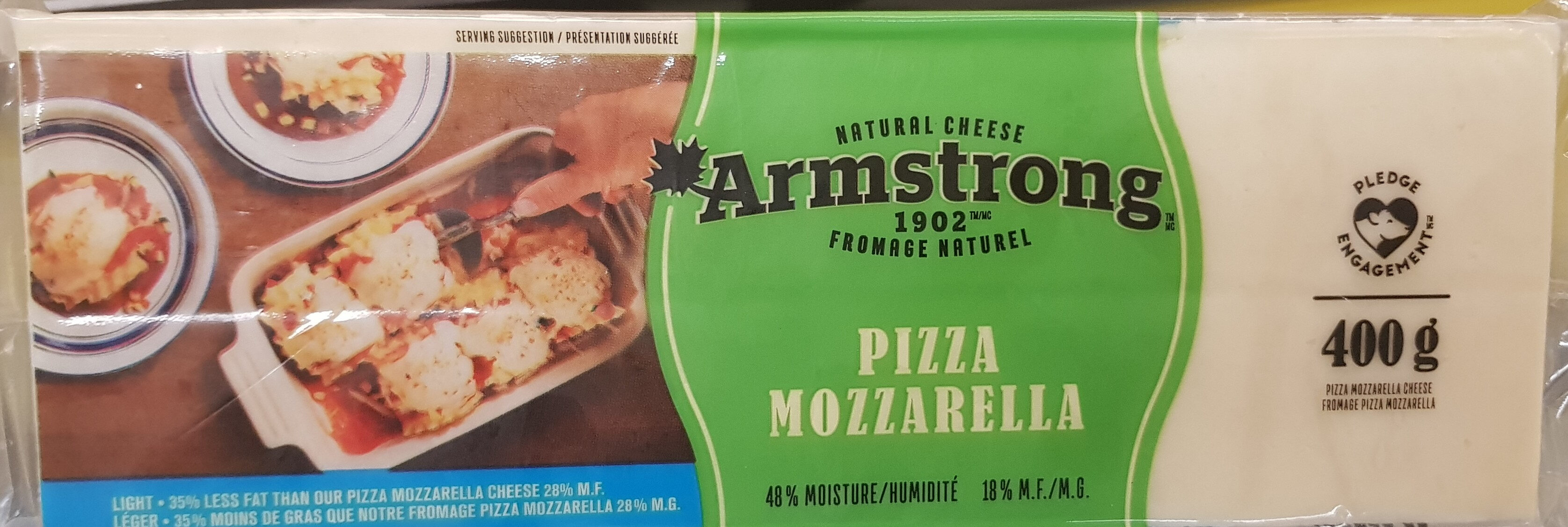
This mozzarella cheese is made from pasteurized partly skimmed milk and includes modified milk ingredients, which contribute to its ultra-processed classification. While it contains beneficial components like bacterial culture and microbial enzyme, the presence of modified milk ingredients and the processing level limit its score. The product lacks harmful additives, but its processing level prevents it from achieving a higher rating.
Key ingredients 6
Pasteurized partly skimmed milkNeutral
This ingredient is a primary component of mozzarella cheese, providing essential proteins and calcium. The pasteurization process ensures safety by eliminating harmful bacteria. However, it lacks the full fat content of whole milk, which may reduce some nutritional benefits.
Benefits
Provides proteins and calcium essential for bone health and muscle function.
Modified milk ingredientsNeutral
Modified milk ingredients are used to enhance texture and consistency in cheese products. They are processed derivatives of milk, which may include milk solids or milk fats. While they serve functional purposes, they do not offer additional nutritional benefits over whole milk.
Benefits
Helps improve the texture and melting properties of cheese products.
SaltNeutral
Salt is used as a preservative and flavor enhancer in cheese production. It is a necessary component for controlling bacterial growth and developing flavor. However, excessive consumption of salt can lead to health issues such as hypertension.
Risks
Excessive salt intake can contribute to high blood pressure and cardiovascular issues.
Benefits
Enhances flavor and acts as a preservative in cheese.
Bacterial cultureNeutral
Bacterial cultures are essential for the fermentation process in cheese making, contributing to flavor and texture development. They help in the breakdown of lactose and the formation of lactic acid. While beneficial for cheese production, they do not provide direct health benefits.
Benefits
Essential for fermentation, contributing to the development of cheese flavor and texture.
Calcium chlorideNeutral
Calcium chloride is used in cheese making to improve curd formation and firmness. It is a common additive that helps maintain the structural integrity of cheese. While it serves a functional purpose, it does not offer additional nutritional benefits.
Benefits
Improves curd formation and firmness in cheese production.
Microbial enzymeNeutral
Microbial enzymes are used as a vegetarian alternative to animal rennet in cheese making. They facilitate the coagulation of milk, essential for cheese production. While they are crucial for the process, they do not provide direct nutritional benefits.
Benefits
Facilitates milk coagulation, essential for cheese production.
Processing
Ultra-Processed Foods
Get the full breakdown in the Scout appTake Scout shopping
Scan any product to see lab results, healthy alternatives, and your personalized analysis.
Download on theApp Store GET IT ONGoogle Play