


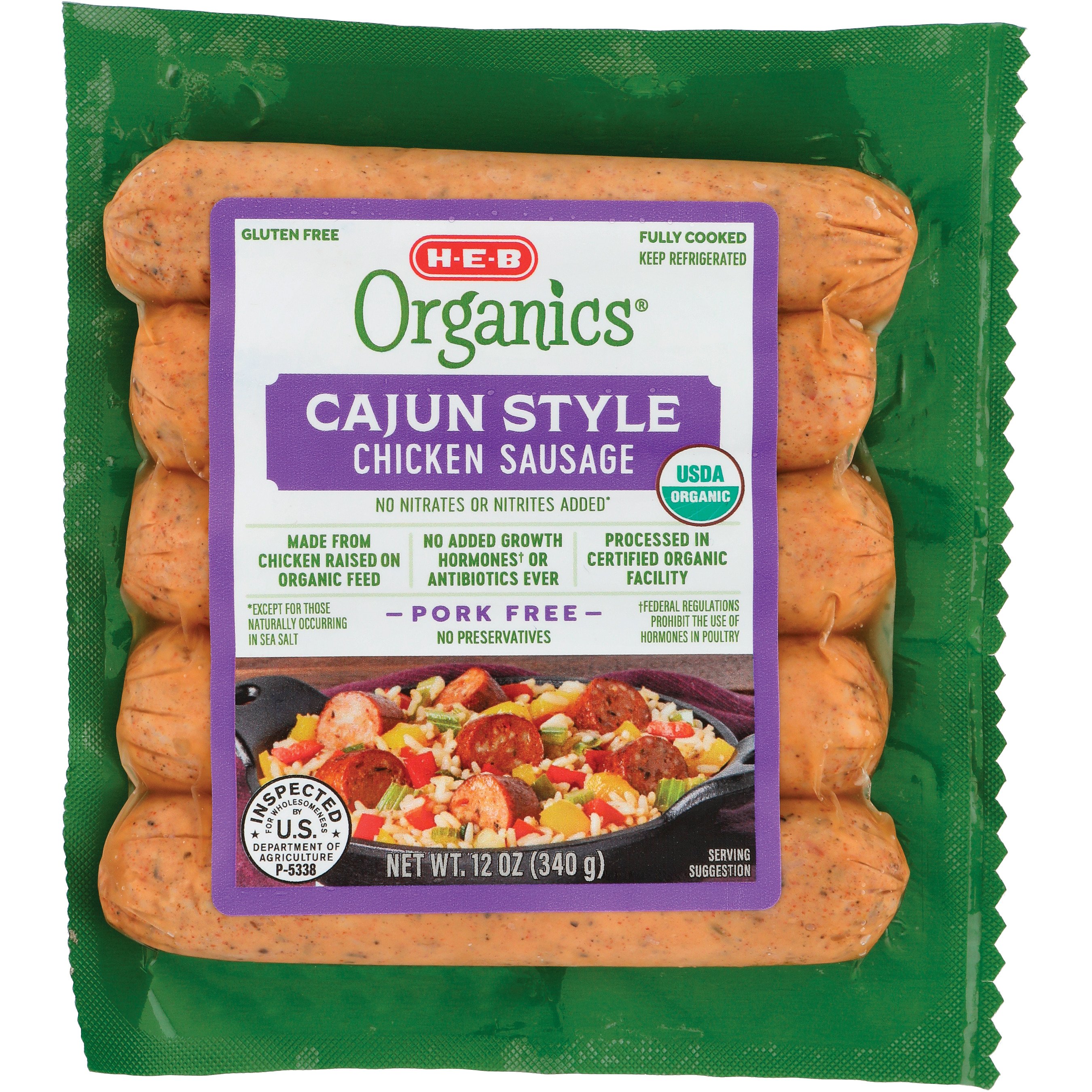
At a glance
Summary
This country sausage is a processed food with a moderate level of processing, which limits its maximum score. The ingredient list is relatively simple, consisting mainly of pork and spices, but the presence of added sugar is a concern as it can contribute to health issues when consumed in excess. Despite being processed, the absence of artificial additives or seed oils helps maintain a reasonable score.
Key ingredients 8
SpicesGood
Whole-food seasonings, antioxidant-bearing.
Risks
Some individuals may have allergies or sensitivities to certain spices.
Benefits
Spices can provide antioxidants and anti-inflammatory compounds, contributing to overall health.
PorkNeutral
Pork is a common source of animal protein and provides essential amino acids. The quality of pork can vary based on the animal's diet and living conditions. It is a staple in many diets but should be consumed in moderation due to potential saturated fat content.
Risks
Excessive consumption of pork can lead to increased saturated fat intake, which may affect heart health.
Benefits
Pork is a good source of protein and essential nutrients such as B vitamins and zinc.
SaltNeutral
Salt is used as a seasoning and preservative in many foods. It is essential for maintaining fluid balance and nerve function. However, excessive intake can lead to health issues such as hypertension.
Risks
High sodium intake is associated with increased risk of hypertension and cardiovascular diseases.
Benefits
Salt is necessary for maintaining electrolyte balance and proper muscle function.
HamsNeutral
Hams are a processed form of pork that provide protein and flavor. The processing method can affect the nutritional profile, often increasing sodium content. It is a popular ingredient in many cuisines but should be consumed in moderation.
Risks
Processed meats like hams can be high in sodium and preservatives, which may pose health risks if consumed in large quantities.
Benefits
Hams provide protein and essential nutrients such as iron and B vitamins.
ShouldersNeutral
Shoulders refer to a cut of pork that is rich in protein and flavor. The nutritional quality depends on the preparation and cooking methods. It is a versatile ingredient used in various dishes.
Risks
High in saturated fats, which may contribute to cardiovascular issues if consumed excessively.
Benefits
Provides a good source of protein and essential nutrients like B vitamins.
LoinsNeutral
Loins are a lean cut of pork that is high in protein and lower in fat compared to other cuts. It is often considered a healthier option for meat consumption. The quality can vary based on the animal's diet and processing methods.
Benefits
Rich in protein and lower in fat, making it a healthier choice among pork cuts.
TenderloinsNeutral
Tenderloins are a lean and tender cut of pork, providing high-quality protein. They are low in fat and often recommended for a balanced diet. The nutritional benefits depend on the preparation method.
Benefits
Tenderloins are a lean source of protein, beneficial for muscle maintenance and repair.
SugarBad
Sugar is a refined carbohydrate that can contribute to increased calorie intake without providing essential nutrients. It is often added to enhance flavor but can lead to health issues when consumed in excess. High sugar intake is linked to obesity, type 2 diabetes, and dental problems.
Risks
Excessive sugar consumption is associated with increased risk of obesity, type 2 diabetes, and dental cavities.
Processing
Processed Foods
Get the full breakdown in the Scout appTake Scout shopping
Scan any product to see lab results, healthy alternatives, and your personalized analysis.
Download on theApp Store GET IT ONGoogle Play