
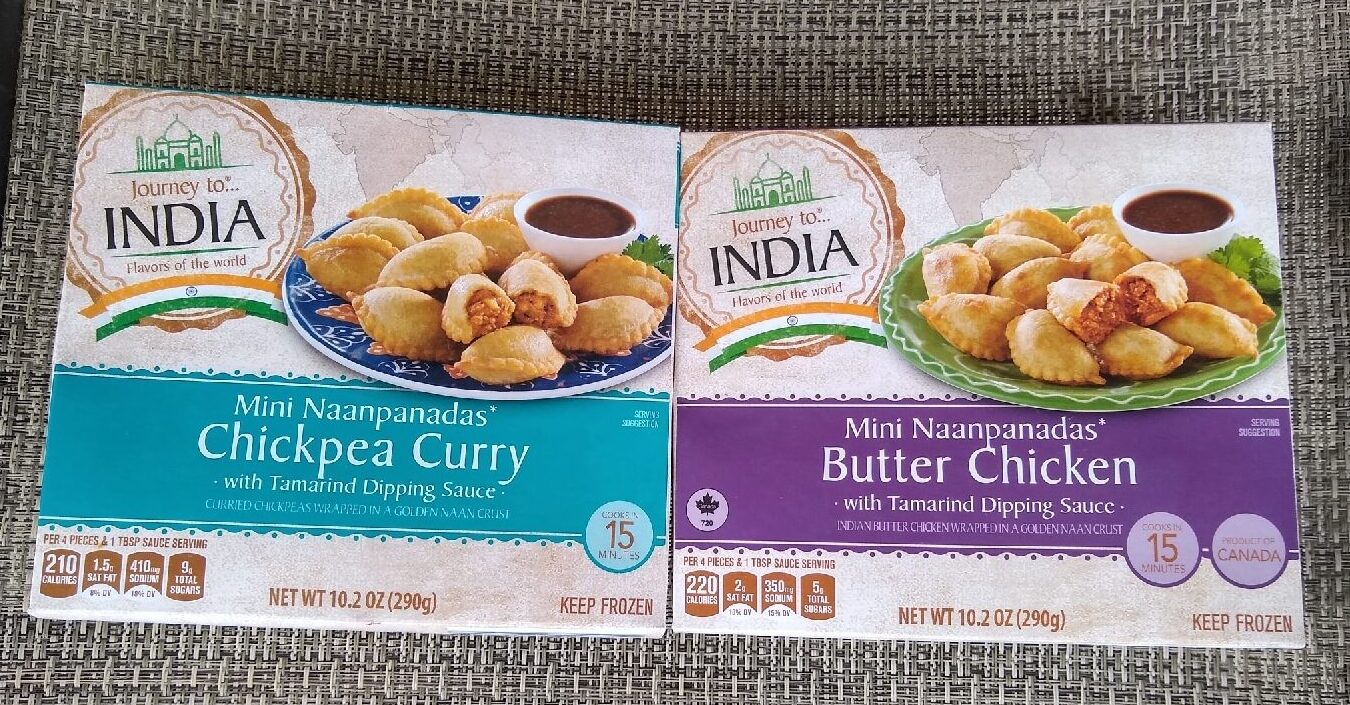
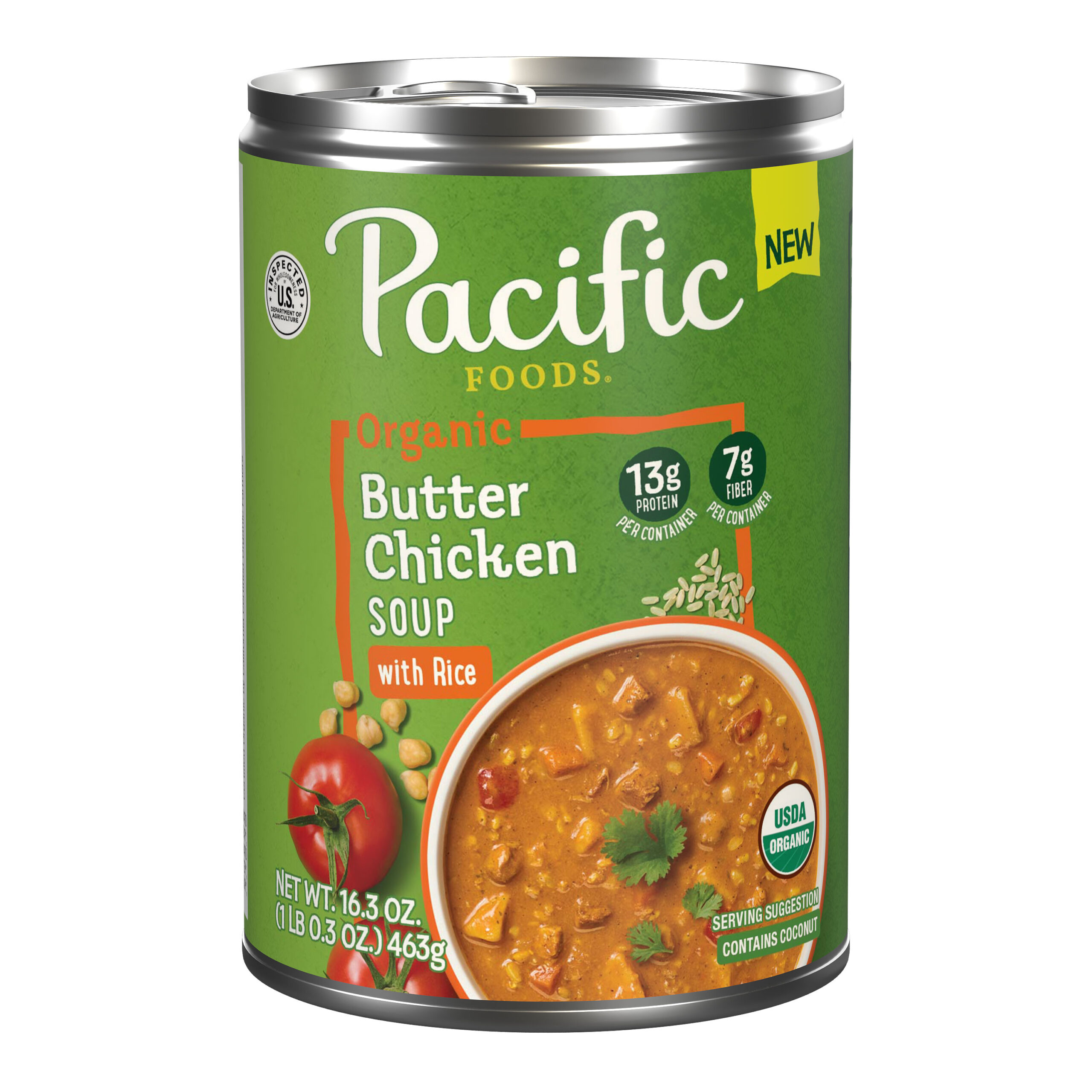


Journey to India Butter Chicken
Analysis updated August 2026 · How Scout scores
At a glance
Summary
This butter chicken product contains a mix of beneficial ingredients like tomatoes, white chicken meat, and spices, which contribute to its nutritional value. However, the presence of canola oil, a seed oil high in omega-6 fatty acids, is a concern due to its potential to promote inflammation. Additionally, the product is processed, which limits its score despite the inclusion of several whole food ingredients.
Key ingredients 22
TomatoesGood
Tomatoes are a rich source of vitamins C and K, potassium, and folate. They contain lycopene, an antioxidant linked to reduced risk of heart disease and cancer. Fresh tomatoes are minimally processed and retain most of their nutrients.
Benefits
Rich in antioxidants and vitamins that support overall health.
Sea saltGood
Sea salt is a minimally processed source of sodium and trace minerals. It is often preferred over refined salt due to its natural mineral content. Sea salt can enhance flavor without excessive processing.
Risks
Excessive sodium intake can lead to hypertension and cardiovascular issues.
Benefits
Provides essential minerals and enhances flavor naturally.
Red pepperGood
Red pepper adds flavor and heat to dishes and is a source of vitamins A and C. It contains capsaicin, which may have metabolism-boosting properties. Fresh red pepper is minimally processed and nutrient-rich.
Risks
May cause irritation or discomfort in sensitive individuals.
Benefits
Rich in vitamins and may support metabolism and immune function.
Garlic powderGood
Concentrated whole-food seasoning.
Benefits
May support heart health and immune function.
White chicken meatGood
White chicken meat is a lean source of protein with low fat content. It provides essential amino acids and is versatile in cooking. When sourced from quality poultry, it is a nutritious protein option.
Benefits
High-quality protein source that supports muscle growth and repair.
Crushed tomatoGood
Crushed tomatoes are a minimally processed form of tomatoes, retaining most nutrients. They are rich in vitamins and antioxidants like lycopene. Used as a base in many dishes, they enhance flavor and nutrition.
Benefits
Rich in antioxidants and vitamins, supporting overall health.
OnionGood
Onions are a flavorful vegetable rich in antioxidants and vitamins. They contain compounds that may support heart health and reduce inflammation. Fresh onions are minimally processed and nutrient-dense.
Benefits
Supports heart health and provides antioxidants.
GarlicGood
Garlic is known for its potential cardiovascular benefits and immune support. It contains allicin, which may help reduce blood pressure and cholesterol levels. Fresh garlic is minimally processed and nutrient-rich.
Benefits
Supports heart health and boosts immune function.
GingerGood
Ginger is a spice with anti-inflammatory and antioxidant properties. It may aid digestion and reduce nausea. Fresh ginger is minimally processed and retains its beneficial compounds.
Benefits
Supports digestion and has anti-inflammatory effects.
SpicesGood
Spices add flavor and can provide various health benefits depending on the type. They are typically rich in antioxidants and have anti-inflammatory properties. Using a variety of spices can enhance both flavor and nutrition.
Benefits
Enhances flavor and provides antioxidants.
HoneyGood
Traditional whole-food sweetener with trace enzymes and antioxidants.
Risks
High in sugars, which can impact blood sugar levels if consumed in excess.
Benefits
Provides natural sweetness and some antioxidants.
Tomato sauceNeutral
Tomato sauce is a common base in many dishes, providing flavor and moisture. It is typically made from tomatoes, which are a source of vitamins and antioxidants. However, the nutritional value can vary based on added ingredients like sugar or salt.
Risks
Potentially high in sodium and added sugars depending on preparation.
Benefits
Provides lycopene, an antioxidant that may support heart health.
Onion powderNeutral
Onion powder is a dehydrated form of onion used for flavoring. It retains some of the nutrients of fresh onions but in reduced amounts. It is a convenient seasoning option with minimal processing.
Benefits
Provides flavor with some antioxidant properties.
Spice extractiveNeutral
Spice extractives are concentrated forms of spices used to enhance flavor. They are typically derived from natural sources but can vary in quality. The extraction process may affect the potency and nutritional value.
Benefits
Enhances flavor without adding calories.
Citric acidNeutral
Citric acid is a natural preservative and flavor enhancer found in citrus fruits. It is commonly used to add acidity and preserve freshness in foods. While generally safe, it is a processed additive.
Risks
Excessive consumption may cause dental erosion.
Benefits
Helps preserve food and enhance flavor naturally.
Seasoned chickenNeutral
Seasoned chicken is typically marinated or coated with spices for flavor. The nutritional value depends on the seasoning and preparation method. It provides protein but may contain added sodium or preservatives.
Risks
Potentially high in sodium and preservatives depending on seasoning.
Benefits
Good source of protein essential for muscle maintenance.
RiceNeutral
Rice is a staple carbohydrate source providing energy. It is minimally processed and can be enriched with vitamins and minerals. The nutritional profile varies between white and brown rice.
Risks
May contribute to high glycemic load if consumed in excess.
Benefits
Provides energy and can be a source of essential nutrients if enriched.
WaterNeutral
Water is essential for hydration and is used as a solvent in cooking. It is a neutral ingredient with no caloric content. Water quality can vary based on source and treatment.
Benefits
Essential for hydration and supports bodily functions.
Whipping creamNeutral
Whipping cream is a dairy product high in fat, used for texture and flavor. It provides calories and some vitamins like A and D. The high fat content can be a concern for those monitoring saturated fat intake.
Risks
High in saturated fat, which may impact heart health if consumed in excess.
Benefits
Adds richness and flavor, providing fat-soluble vitamins.
ButterNeutral
Butter is a dairy product high in saturated fat, used for flavor and texture. It provides fat-soluble vitamins like A and D. While it adds richness, excessive consumption can impact heart health.
Risks
High in saturated fat, which may impact heart health if consumed in excess.
Benefits
Provides fat-soluble vitamins and enhances flavor.
SaltNeutral
Salt is a common seasoning used to enhance flavor. It is a source of sodium, essential for fluid balance and nerve function. Excessive intake can lead to health issues like hypertension.
Risks
Excessive sodium intake can lead to hypertension and cardiovascular issues.
Benefits
Essential for fluid balance and nerve function.
Canola oilVery Bad
Canola oil is a seed oil high in omega-6 fatty acids, which may promote inflammation. It is heavily processed and often refined, which can reduce its nutritional value. The high omega-6 content is a concern for balanced fatty acid intake.
Risks
High omega-6 content may promote inflammation when consumed in excess.
Processing
Processed Foods
Get the full breakdown in the Scout appTake Scout shopping
Scan any product to see lab results, healthy alternatives, and your personalized analysis.
Download on theApp Store GET IT ONGoogle Play