


At a glance
Summary
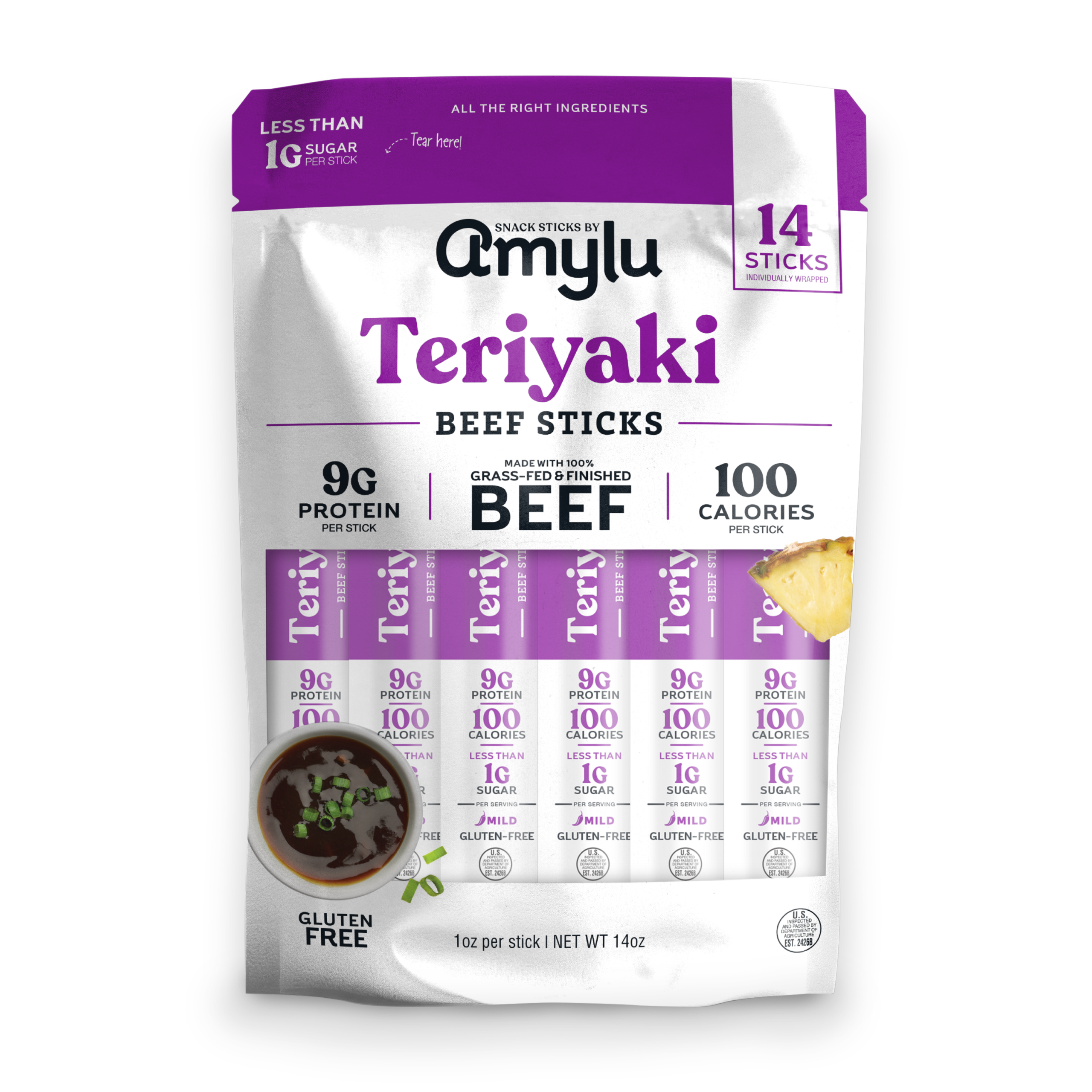
The Beef Teriyaki Stick contains high-quality grass-fed beef, which is a beneficial protein source with better nutritional profiles compared to conventional beef. However, the product is processed and includes multiple forms of added sugars such as cane sugar, brown sugar, and fructose, which can contribute to metabolic issues. Additionally, the use of 'flavors' as an ingredient raises concerns due to its lack of transparency, potentially including artificial additives.
Key ingredients 13
Grass Fed BeefVery Good
Grass-fed beef is a high-quality protein source with a rich amino acid profile. It contains higher levels of omega-3 fatty acids and antioxidants compared to grain-fed beef. The grass-fed label indicates better animal welfare and environmental practices.
Benefits
Rich in essential nutrients like B vitamins, iron, and zinc, supporting overall health and wellness.
PineappleGood
Pineapple is a natural fruit source rich in vitamins, minerals, and antioxidants. It contains bromelain, an enzyme that may aid digestion and reduce inflammation. The natural sugars in pineapple are balanced by its fiber content.
Benefits
Provides vitamin C and manganese, supporting immune function and bone health.
Sea SaltGood
Sea salt is a minimally processed salt that retains trace minerals. It is often considered a healthier alternative to refined table salt. The presence of minerals like magnesium and potassium can provide additional health benefits.
Benefits
Provides trace minerals that support overall health and wellness.
Cultured Celery ExtractGood
Cultured celery extract is used as a natural preservative due to its nitrate content. It is often used as a cleaner alternative to synthetic preservatives. The fermentation process can enhance its preservative properties without artificial additives.
Benefits
Acts as a natural preservative, reducing the need for artificial additives.
Pineapple JuiceGood
Pineapple juice is a natural source of vitamins and enzymes like bromelain. It provides a sweet flavor with some nutritional benefits. The juice retains some of the fruit's vitamins and minerals, supporting overall health.
Benefits
Contains vitamins and enzymes that may aid digestion and support immune function.
Tamari Soy Sauce PowderNeutral
Tamari soy sauce powder is a fermented soy product used for flavoring. It is typically gluten-free and contains less wheat than regular soy sauce. The fermentation process can enhance umami flavor without significant health concerns.
Risks
May contain sodium, which can contribute to high blood pressure if consumed in excess.
Benefits
Provides a rich umami flavor that can enhance the taste of dishes without artificial additives.
WaterNeutral
Water is a fundamental ingredient used as a solvent and carrier in food products. It is essential for hydration and does not contribute calories or nutrients. Its presence in food products is generally neutral.
Benefits
Essential for hydration and maintaining bodily functions.
SaltNeutral
Salt is used as a seasoning and preservative in food products. It is essential for maintaining fluid balance and nerve function. However, excessive intake can lead to hypertension and cardiovascular issues.
Risks
High sodium intake is linked to increased blood pressure and cardiovascular risk.
Benefits
Essential for electrolyte balance and nerve function.
Maltodex ExtractNeutral
Maltodex extract is a carbohydrate derived from starch, used as a thickener or filler. It is rapidly absorbed and can cause blood sugar spikes. It is often used in processed foods for texture and volume.
Risks
May cause rapid blood sugar increases, especially in individuals with insulin sensitivity.
Benefits
Provides texture and volume to food products without significant nutritional benefits.
Cane SugarBad
Cane sugar is a refined sugar that can contribute to increased calorie intake and blood sugar spikes. Excessive consumption is linked to obesity, diabetes, and other metabolic disorders. It lacks nutritional benefits and is considered an empty calorie source.
Risks
High intake of refined sugars can lead to weight gain and increased risk of chronic diseases.
Brown SugarBad
Brown sugar is a refined sugar with molasses added for flavor and color. It shares similar health concerns with white sugar, contributing to calorie intake and potential metabolic issues. The molasses content does not significantly enhance its nutritional profile.
Risks
Excessive consumption can lead to weight gain and increased risk of metabolic disorders.
FructoseBad
Fructose is a simple sugar that can contribute to insulin resistance and metabolic syndrome when consumed in excess. It is often used as a sweetener in processed foods. High intake is associated with increased risk of obesity and liver disease.
Risks
May contribute to metabolic disorders and liver issues when consumed in large amounts.
FlavorsBad
The term 'flavors' is often used to describe a mix of natural and artificial additives. It lacks transparency and can include a wide range of chemical compounds. The potential presence of artificial additives raises health concerns.
Risks
May contain artificial additives that could cause allergic reactions or other health issues.
Processing
Processed Foods
Get the full breakdown in the Scout appTake Scout shopping
Scan any product to see lab results, healthy alternatives, and your personalized analysis.
Download on theApp Store GET IT ONGoogle Play