


At a glance
Summary
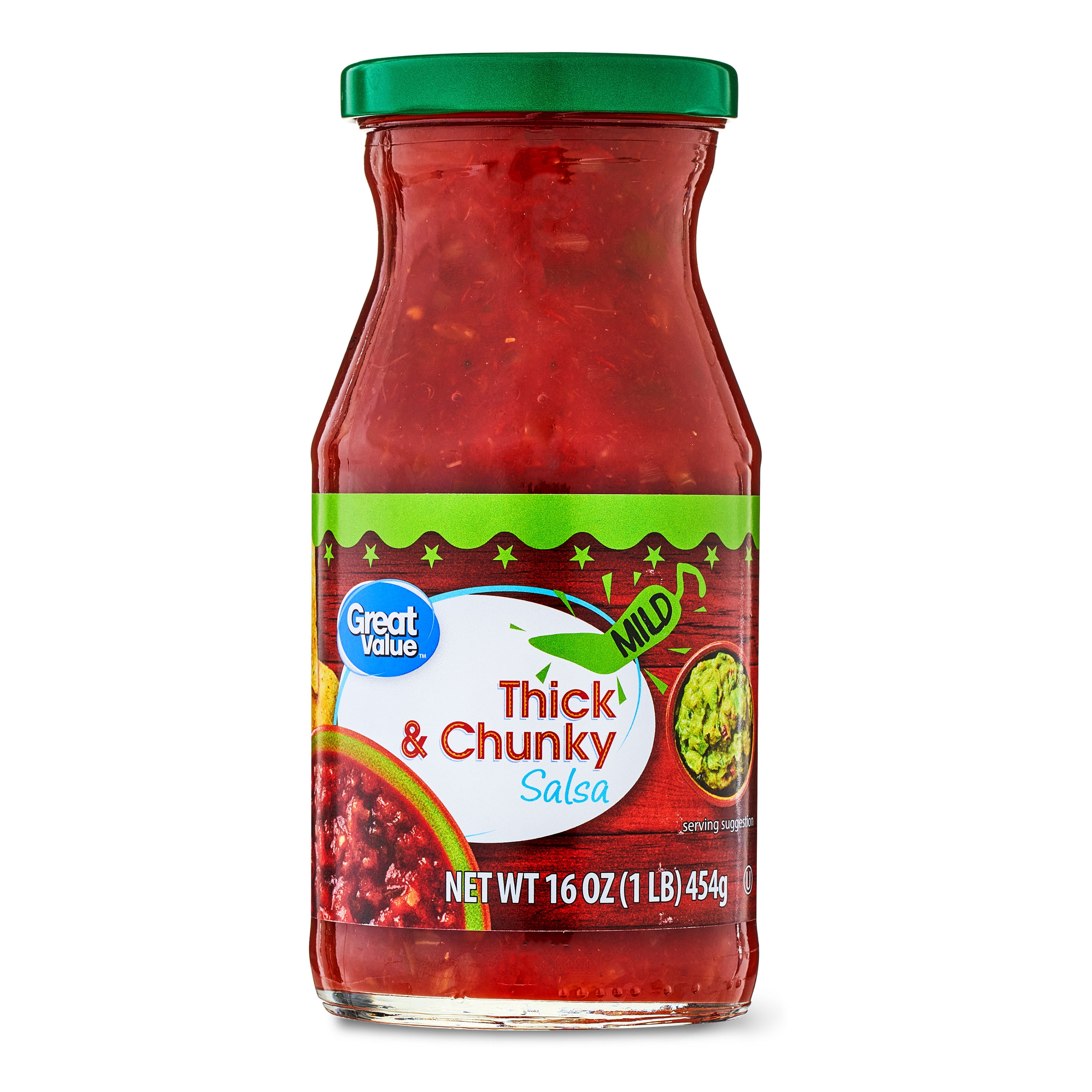
This salsa contains primarily whole food ingredients like tomatoes, jalapeno peppers, and onions, which are generally healthy. However, it is classified as ultra-processed due to the inclusion of natural flavoring, which is a vague term that can mask various processed substances. The processing level limits its potential health score despite the absence of major harmful additives.
Key ingredients 9
Crushed tomatoesNeutral
Crushed tomatoes are a common base for salsas, providing a rich source of vitamins and antioxidants. They are minimally processed, retaining most of their natural nutrients. However, they do not offer significant unique health benefits beyond basic nutrition.
Benefits
Rich in vitamins A and C, and antioxidants like lycopene, which may support heart health.
Jalapeno peppersNeutral
Jalapeno peppers add spice and flavor to the salsa, contributing capsaicin, which may have metabolic benefits. They are used in small quantities and are not heavily processed. The nutritional impact is minimal due to the small amount used.
Risks
May cause digestive discomfort in sensitive individuals.
Benefits
Contains capsaicin, which may boost metabolism and provide anti-inflammatory effects.
Diced tomatoes in tomato juiceNeutral
Diced tomatoes in tomato juice are similar to crushed tomatoes, providing a source of vitamins and hydration. They are slightly more processed due to the canning process but still retain most nutrients. The juice adds moisture and flavor without significant additional health benefits.
Benefits
Provides hydration and is a source of vitamins A and C.
OnionsNeutral
Onions are a staple in many dishes, offering flavor and some nutritional benefits such as antioxidants. They are used fresh or dehydrated, retaining most of their natural properties. The health impact is moderate due to the small quantity used.
Risks
May cause digestive discomfort in some individuals.
Benefits
Contains antioxidants and compounds that may support heart health.
Distilled vinegarNeutral
Distilled vinegar is used for its acidic properties, enhancing flavor and acting as a preservative. It is a simple, processed ingredient with no significant nutritional value. Its primary role is functional rather than nutritional.
Risks
Excessive consumption may lead to digestive issues.
Benefits
Acts as a natural preservative and flavor enhancer.
Dehydrated onionsNeutral
Dehydrated onions provide a concentrated flavor and are used for convenience in processing. They retain some nutritional properties of fresh onions but are more processed. The health impact is minimal due to the small amount used.
Risks
May cause digestive discomfort in some individuals.
Benefits
Provides flavor and some antioxidants.
SaltNeutral
Salt is used to enhance flavor and preserve the salsa. It is a basic ingredient with no additional nutritional benefits. The sodium content should be monitored for those with dietary restrictions.
Risks
High sodium intake can contribute to hypertension and cardiovascular issues.
Benefits
Enhances flavor and acts as a preservative.
Dehydrated garlicNeutral
Dehydrated garlic adds flavor and some health benefits, such as antioxidants. It is more processed than fresh garlic but retains some beneficial compounds. The health impact is moderate due to the small quantity used.
Benefits
Contains antioxidants and compounds that may support immune health.
Natural flavoringBad
Natural flavoring is a vague term that can include a variety of substances, often processed. It lacks transparency, making it difficult to assess health impacts. The use of such additives is generally discouraged due to potential hidden ingredients.
Risks
May contain undisclosed additives or allergens.
Processing
Ultra-Processed Foods
Get the full breakdown in the Scout appTake Scout shopping
Scan any product to see lab results, healthy alternatives, and your personalized analysis.
Download on theApp Store GET IT ONGoogle Play