
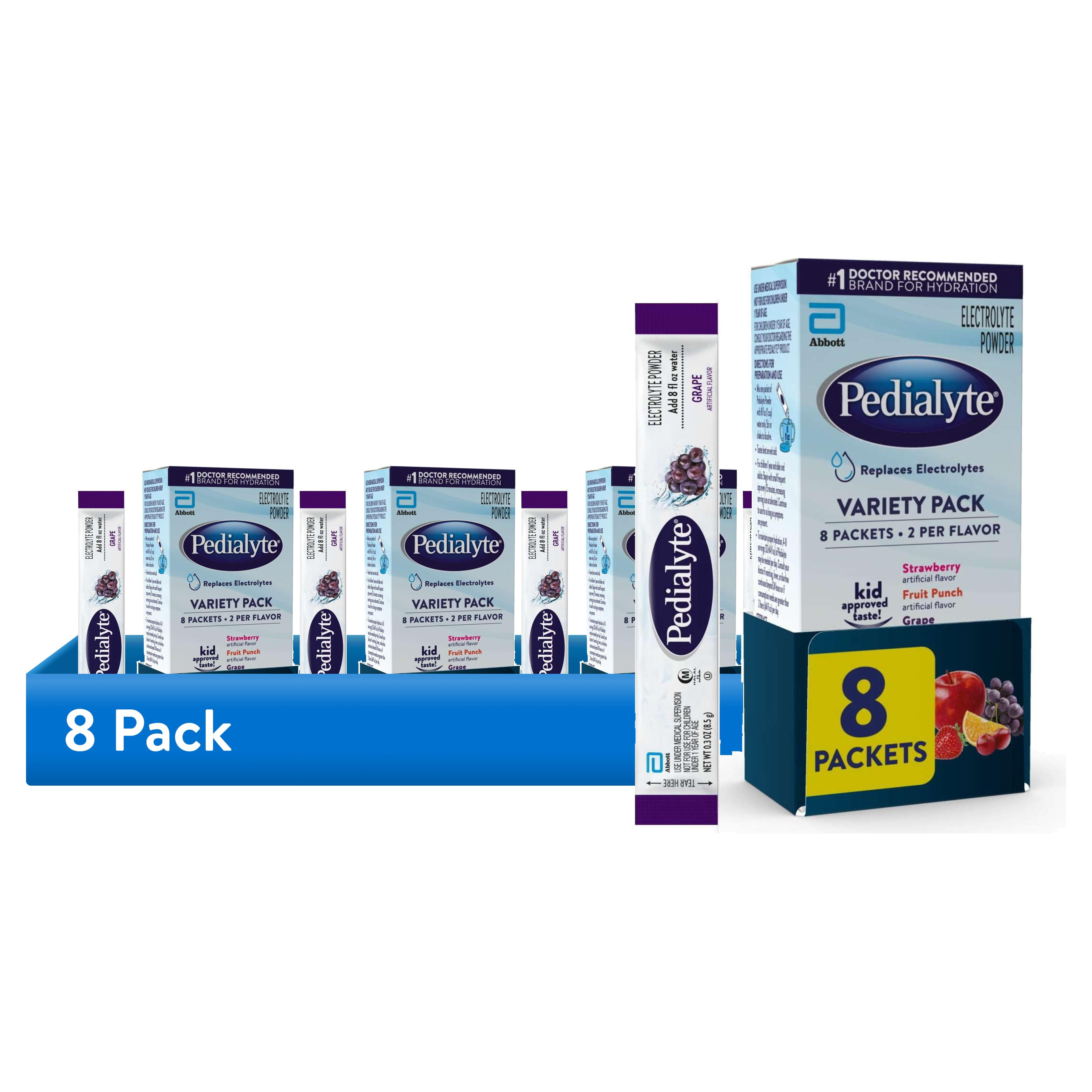

Pedialyte Electrolyte Powder Electrolyte Drink Variety Pack Powder Sticks 0.3 oz 8 Count
Analysis updated August 2026 · How Scout scores
At a glance
Summary
This product contains dextrose, a simple sugar that can cause rapid spikes in blood sugar levels, which is a concern for metabolic health. The inclusion of natural and artificial flavors adds to the processing level and raises transparency issues regarding ingredient composition. While it serves its purpose as an electrolyte drink, the presence of these ingredients and the processed nature of the product limit its healthfulness.
Key ingredients 7
SaltGood
Beneficial ingredient — whole-food or functional value in this product class.
Risks
High sodium intake is associated with increased risk of high blood pressure and heart disease.
Benefits
Essential for maintaining fluid balance and nerve function.
Sodium CitrateGood
Beneficial ingredient — whole-food or functional value in this product class.
Risks
May contribute to high sodium intake, which is linked to hypertension.
Benefits
Helps regulate acidity and can improve the taste of food and beverages.
Citric AcidNeutral
Citric acid is a natural acid found in citrus fruits, used as a preservative and flavor enhancer. It is generally recognized as safe when consumed in moderate amounts. However, excessive consumption can lead to dental erosion.
Risks
Overconsumption may cause tooth enamel erosion due to its acidic nature.
Benefits
Acts as a natural preservative and can enhance the flavor of foods and beverages.
Potassium CitrateNeutral
Potassium citrate is used to regulate acidity and provide potassium, an essential mineral. It is beneficial for maintaining electrolyte balance. However, excessive intake can lead to hyperkalemia, a condition with elevated potassium levels.
Risks
High doses may cause hyperkalemia, which can affect heart function.
Benefits
Helps maintain electrolyte balance and supports nerve and muscle function.
Calcium SilicateNeutral
Calcium silicate is used as an anti-caking agent to prevent clumping in powdered products. It is generally recognized as safe in small amounts. There are no significant health concerns associated with its consumption.
Benefits
Prevents clumping and ensures smooth texture in powdered products.
DextroseBad
Dextrose is a simple sugar that can lead to rapid spikes in blood sugar levels. It is often used as a sweetener in processed foods and beverages. Excessive consumption can contribute to obesity and metabolic disorders.
Risks
High intake of dextrose can increase the risk of insulin resistance and type 2 diabetes.
Benefits
Provides a quick source of energy, especially useful in situations requiring rapid glucose replenishment.
Natural And Artificial FlavorBad
Natural and artificial flavors are used to enhance taste but can be vague in terms of composition. Artificial flavors may contain synthetic chemicals that some individuals prefer to avoid. The lack of transparency can be concerning for consumers.
Risks
Potential exposure to synthetic chemicals and allergens in artificial flavors.
Benefits
Enhances the taste of products, making them more palatable.
Processing
Processed Foods
Get the full breakdown in the Scout appTake Scout shopping
Scan any product to see lab results, healthy alternatives, and your personalized analysis.
Download on theApp Store GET IT ONGoogle PlayAmazon pricing & content
Amazon price as of . Product prices and availability are accurate as of the date/time indicated and are subject to change. Any price and availability information displayed on Amazon.com at the time of purchase will apply to the purchase of this product.
CERTAIN CONTENT THAT APPEARS ON THIS SITE COMES FROM AMAZON. THIS CONTENT IS PROVIDED “AS IS” AND IS SUBJECT TO CHANGE OR REMOVAL AT ANY TIME.